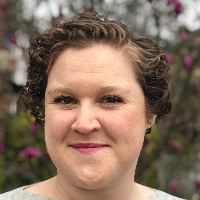
Amanda Vaughan, LMHC
Massachusetts · 13 years in practice
Amanda Vaughan is a Licensed Mental Health Counselor with 13 years of experience helping people facing stress, anxiety, depression, relationship strain, and trauma.
License and registration
- LMHC, Massachusetts
- LMHC8975 · expires December 2027
- NPI
- 1194074260 · national provider identifier
- Years in practice
- 13
- Languages
- English
Details are as listed on the therapist's public professional profile. You can check the license with the issuing state board, and the NPI with the national registry.
About Amanda
Amanda Vaughan is a Licensed Mental Health Counselor with 13 years of experience helping people facing stress, anxiety, depression, relationship strain, and trauma. She is direct and warm in sessions and focuses on practical skills that people can use between meetings. Amanda works with concerns that include addiction, grief, self-esteem, intimacy challenges, and parenting stress.
She draws on a mix of approaches to fit each person’s needs. That includes Cognitive Behavioral Therapy to spot and shift unhelpful thinking, Dialectical Behavior Therapy for emotion regulation and distress tolerance, and Existential Therapy to address meaning, purpose, and life transitions.
Background and approach
Mindfulness practices are often used to build awareness and grounding. Amanda’s style is nonjudgmental and straightforward. She offers clear tools and then checks how they’re working in everyday life.
Sessions aim to combine practical skill-building with space to reflect on values and choices. Her background includes crisis intervention, group therapy, and work in intensive mental health settings. That experience informs how she supports people through strong emotions and complicated life events.
She helps people develop both coping strategies and clearer direction. People who meet with Amanda can expect collaborative planning, attention to immediate concerns, and gradual skill development. She tailors the pace and techniques to each person’s situation and goals.
Focus areas and approaches
Everything Amanda lists on their public professional profile, in their own terms.
- Stress, Anxiety
- Relationship issues
- Self esteem
- Depression
- Coping with life changes
- Addictions
- LGBT
- Family conflicts
- Trauma and abuse
- Grief
- Intimacy-related issues
- Parenting issues
- Anger management
- Bipolar disorder
- Compassion fatigue
- Attachment issues
- BDSM, kink, and alternative sex culture
- Blended family issues
- Body image
- Codependency
- Commitment issues
- Communication problems
- Control issues
- Drug and alcohol addiction
- Emptiness
- Family of origin issues
- Family problems
- Fatherhood issues
- Forgiveness
- Gender dysphoria
- Guilt and shame
- Impulsivity
- Isolation / loneliness
- Jealousy
- Life purpose
- Men's issues
- Money and financial issues
- Mood disorders
- Multicultural concerns
- Panic disorder and panic attacks
- Post-traumatic stress
- Prejudice and discrimination
- Seasonal Affective Disorder (SAD)
- Self-harm
- Self-love
- Sexuality
- Women's issues
- Workplace issues
- Young adult issues
Approaches Amanda names
- Existential Therapy
- Client-Centered Therapy
- Cognitive Behavioral Therapy (CBT)
- Dialectical Behavior Therapy (DBT)
- Mindfulness Therapy
- Motivational Interviewing
- Psychodynamic Therapy
- Trauma-Focused Therapy
Naming an approach is not evidence of training in it. This directory copies what each therapist lists and does not check training records.
Online support
Therapeutic approaches for online work and everyday life
Amanda uses Cognitive Behavioral Therapy to help people notice thoughts and behaviors that keep problems going and then practice small changes that lead to different results. CBT is often used for anxiety, depression, and stress-related patterns.She also incorporates Dialectical Behavior Therapy techniques to teach emotion regulation, distress tolerance, and better interpersonal skills. DBT tools are useful when emotions feel intense or when communication keeps leading to conflict.
Existential Therapy is part of her work too, inviting people to look at meaning, values, and life choices during times of transition or emptiness. That approach can help when someone wants to clarify what matters and make decisions aligned with their values.
Deciding which methods to use is collaborative. The therapist helps clients name goals, tries approaches that fit those goals, and adjusts based on what feels most helpful. Finding the right mix is part of the process and can change over time.
Online therapy offers practical flexibility. Video calls allow face-to-face conversation for deeper connection, phone sessions work well when bandwidth is limited, live chat can be a quicker way to check in, and text-based messaging supports ongoing reflection between sessions. These options make it easier to fit therapy into busy days and to use tools in real life situations.
We will earn a commission if you sign up through our link, at no cost to you. It does not change what you pay or the order of the listings.
Questions people ask
What issues does Amanda help people with?
She supports people managing stress, anxiety, depression, relationship and intimacy issues, trauma and abuse, grief, addiction, parenting strain, and related concerns like body image and codependency.
How would you describe her therapeutic style?
Her approach is warm, nonjudgmental, and direct. She mixes practical skill work with time to reflect on values and life choices.
What kind of experience does she bring?
She has 13 years in mental health counseling, including crisis intervention, group therapy, and intensive treatment settings.
What credentials does she hold and where is she located?
She holds an MA and is a Licensed Mental Health Counselor (LMHC) practicing in Massachusetts.
Can I work with her if I live outside the United States?
Sessions are offered in English and she is not accepting international clients at this time.
What formats are available for sessions?
Sessions can be done via video calls, phone sessions, live chat, or text-based messaging to fit different schedules and needs.
How are sessions billed and what does it cost?
Cost varies with location and therapist availability; sessions use a subscription that can be canceled at any time.
How do I begin a therapy match with Amanda?
Start by selecting the Start Therapy button, completing a short matching questionnaire, and then schedule based on the therapist's availability.
More therapists in Massachusetts
See allChabreah Alston
LMHC
Compassionate counselor focused on values and connection
- Stress, Anxiety
- LGBT
- Relationship

Dr. Charles Lewis
LICSW
Decisions that lead to better days
- Stress, Anxiety
- Trauma and abuse
- Depression


Paula Johnson
LMHC
Practical help for stress, relationships, and life change
- Stress, Anxiety
- Relationship
- Anger

Is this your profile?
Ask us to correct details or take the page down.
Contact us