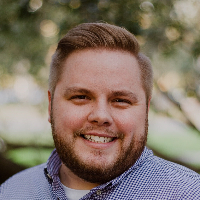
Andrew Cravey, LMHC
Florida · 5 years in practice
Andrew Cravey, LMHC, helps people who are feeling stressed, anxious, or stuck.
License and registration
- LMHC, Florida
- MH19109 · expires March 2027
- NPI
- 1679155881 · national provider identifier
- Years in practice
- 5
- Languages
- English
Details are as listed on the therapist's public professional profile. You can check the license with the issuing state board, and the NPI with the national registry.
About Andrew
Andrew Cravey, LMHC, helps people who are feeling stressed, anxious, or stuck. He aims to make sessions straightforward and practical so clients leave with clearer next steps. His warm, down-to-earth style focuses on building strength and coping skills rather than jargon.
He trained in counseling psychology and holds a Master of Science degree. Andrew uses a relational, client-centered way of working that emphasizes the connection between therapist and client. That relationship is the place where difficult feelings get named and tested.
Background and approach
He blends practical methods when helpful, including cognitive behavioral techniques and elements of acceptance and commitment work. Those methods support people in changing unhelpful thoughts, practicing new behaviors, and clarifying values. Attachment-based ideas inform how he looks at close relationships and patterns that repeat over time.
He pays attention to how people relate and helps them try different responses in their daily life. Andrew has five years of clinical experience in Florida and works with adults and couples. He assists with concerns such as depression, anxiety, grief, relationship strain, addictions, coping with life changes, and compassion fatigue.
Sessions are offered in English and organized to fit each person’s schedule. He invites people to start small - one session to see how it feels and what might change. The work is collaborative and paced to each person's needs.
Focus areas and approaches
Everything Andrew lists on their public professional profile, in their own terms.
- Stress, Anxiety
- LGBT
- Self esteem
- Depression
- Coping with life changes
- Addictions
- Relationship issues
- Family conflicts
- Trauma and abuse
- Grief
- Anger management
- Career difficulties
- Compassion fatigue
Approaches Andrew names
- Existential Therapy
- Acceptance and Commitment Therapy (ACT)
- Attachment-Based Therapy
- Client-Centered Therapy
- Cognitive Behavioral Therapy (CBT)
- Dialectical Behavior Therapy (DBT)
- Emotionally-Focused Therapy (EFT)
- Jungian Therapy
- Solution-Focused Therapy
Naming an approach is not evidence of training in it. This directory copies what each therapist lists and does not check training records.
Online support
How online approaches support growth and connection
Andrew combines Existential ideas with Acceptance and Commitment Therapy (ACT) and Attachment-Based perspectives. Existential work helps people name what matters to them and face life’s uncertainties with intention. ACT focuses on accepting difficult feelings while committing to actions that reflect personal values, which can help with anxiety, depression, and life transitions. Attachment-based work looks at patterns in close relationships and helps people try new ways of relating when old patterns cause pain. Choosing the right approach is a collaborative process. Andrew will discuss goals, preferences, and what feels most useful, then try methods together and adjust as needed. That means techniques and focus can shift over time based on what helps a person make concrete changes. Online sessions are offered by video, phone, live chat, or text-based messaging to make therapy fit different routines. Video calls let people use visual cues and longer conversations. Phone sessions can be easier when bandwidth is limited or for shorter check-ins. Live chat and text messaging allow for brief check-ins, ongoing reflections, and flexibility around work or caregiver schedules. These options make it simpler to attend regularly and to practice new skills between sessions.We will earn a commission if you sign up through our link, at no cost to you. It does not change what you pay or the order of the listings.
Questions people ask
What kinds of problems does Andrew help with?
He supports people facing stress, anxiety, depression, grief, relationship strain, addictions, anger, career concerns, and compassion fatigue among other issues.
What is his therapeutic style like?
His style is relational and client-centered, blending practical techniques such as cognitive behavioral tools and acceptance-based work to help people try new ways of coping.
How much experience does he have?
Andrew has five years of clinical experience working with adults and couples in a counseling role.
Where is he licensed and practicing?
He is a Licensed Mental Health Counselor (LMHC) practicing in Florida.
Can I work with him if I live outside the United States?
Sessions are offered in English and he is not taking on international clients at this time.
What session formats are available?
He offers video calls, phone sessions, live chat, and text-based messaging to fit different schedules and preferences.
How is cost handled for sessions?
Cost varies with location and therapist availability; sessions use a subscription model that can be canceled at any time.
How do I start a therapy process with him?
Begin by selecting the Start Therapy button, completing a short matching questionnaire, and then scheduling according to therapist availability.
More therapists in Florida
See all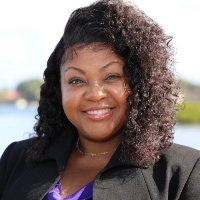
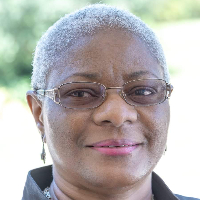
Crystal Scott
LPC, LMHC
Warm practical support for life’s tough moments
- Stress, Anxiety
- Anger
- Self esteem

Dr. Kathleen "Kathy" Meeks
LMFT
Relational therapist with an existential focus
- Relationship
- Family
- Trauma and abuse
Is this your profile?
Ask us to correct details or take the page down.
Contact us