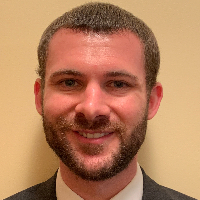
Andrew Miller, LICSW, LCSW
Indiana · 5 years in practice
Andrew Miller is a licensed social worker who helps people facing stress, anxiety, depression, trauma, grief, addictions, and relationship concerns.
License and registration
- LCSW, Indiana
- 34008731A · expires April 2026
- LICSW, Massachusetts
- LICSW127331 · expires October 2026
- NPI
- 1063968212 · national provider identifier
- Years in practice
- 5
- Languages
- English
Details are as listed on the therapist's public professional profile. You can check the license with the issuing state board, and the NPI with the national registry.
About Andrew
Andrew Miller is a licensed social worker who helps people facing stress, anxiety, depression, trauma, grief, addictions, and relationship concerns. He also supports people dealing with parenting strain, sleep problems, anger, low self-esteem, ADHD, and issues tied to guilt or shame. Andrew holds an MA and practices in Indiana as a LICSW and LCSW and has five years of clinical experience.
Andrew uses straightforward, conversational sessions. He listens first, then helps people name the problem and pick clear steps to try.
Background and approach
He mixes approaches based on what a person needs, including client-centered work, cognitive behavioral techniques, mindfulness, and EMDR for trauma. Sessions focus on practical skills and personal meaning. He helps people spot unhelpful thoughts, build coping plans, and try new behaviors between sessions.
Mindfulness exercises and grounding tools are used when stress or panic show up. For people carrying grief, shame, or post-traumatic stress, Andrew blends trauma-focused strategies with reflective conversation. Existential ideas about purpose and values also come into play when life changes feel overwhelming.
The aim is to help people reconnect with what matters to them and find ways to move forward. Andrew keeps the tone nonjudgmental and open. He enjoys bringing curiosity and some lightness into sessions, drawing on interests in philosophy and literature when it fits.
He works with each person to set goals and track progress over time.
Focus areas and approaches
Everything Andrew lists on their public professional profile, in their own terms.
- Stress, Anxiety
- Family conflicts
- Trauma and abuse
- Grief
- Depression
- Addictions
- LGBT
- Relationship issues
- Sleeping disorders
- Parenting issues
- Anger management
- Self esteem
- Bipolar disorder
- Coping with life changes
- Compassion fatigue
- ADHD
- Guilt and shame
- Post-traumatic stress
- Self-love
Approaches Andrew names
- Existential Therapy
- Client-Centered Therapy
- Cognitive Behavioral Therapy (CBT)
- Eye Movement Desensitization and Reprocessing (EMDR)
- Mindfulness Therapy
- Motivational Interviewing
- Solution-Focused Therapy
- Trauma-Focused Therapy
Naming an approach is not evidence of training in it. This directory copies what each therapist lists and does not check training records.
Online support
Approaches for online sessions and practical care
Andrew often combines Existential Therapy, Client-Centered Therapy, and Cognitive Behavioral Therapy (CBT) in online work. Existential Therapy encourages people to talk about meaning, values, and life transitions and can help when someone feels stuck or lost. Client-Centered Therapy focuses on listening without judgment and helping people find their own answers through supportive conversation. CBT looks at connections between thoughts, feelings, and behaviors and teaches concrete skills to reduce anxiety, manage mood, and change unhelpful patterns.Choosing the right approach is a team effort. The therapist will discuss a person’s goals, preferences, and needs and then try methods that fit. Sessions can shift over time if one approach isn’t helping or new issues emerge, so treatment stays practical and aligned with what the person wants to work on.
Online appointments are available by video calls, phone sessions, live chat, or text-based messaging. Video is useful for longer sessions and face-to-face conversation. Phone sessions can be easier when bandwidth is limited or a quick check-in is needed. Live chat and messaging work well for short updates, coaching between sessions, or moments when texting feels more comfortable. These options make it easier to fit therapy into a busy life and to keep momentum between meetings.
We will earn a commission if you sign up through our link, at no cost to you. It does not change what you pay or the order of the listings.
Questions people ask
What concerns does Andrew support?
He works with stress, anxiety, depression, trauma and abuse, grief, addictions, relationship and parenting strain, sleeping problems, anger, self-esteem, bipolar concerns, ADHD, compassion fatigue, and related issues like guilt and shame.
How would you describe his therapy style?
He keeps sessions conversational and nonjudgmental, starting with listening and then helping people set practical steps. He blends reflective dialogue with skill-building and mindfulness exercises.
What is his background and experience?
He earned a master’s degree in social work and has five years of clinical experience in Northern Indiana. He has worked with a range of concerns and uses several therapeutic approaches.
What credentials and location does he hold?
He is credentialed as LICSW and LCSW, holds an MA, and practices in Indiana.
Which languages and international options are available?
Sessions are offered in English and international clients are not currently accepted.
What session formats does he offer?
He provides video calls, phone sessions, live chat, and text-based messaging to fit different preferences and schedules.
How does billing and cost work?
Cost varies with location and therapist availability; sessions use a subscription that can be canceled at any time.
How do I begin working with him?
Start by selecting the Start Therapy button, complete a short matching questionnaire, and then schedule sessions according to the therapist's availability.
More therapists in Indiana
See all
Maria Wilson
LCSW
Practical, respectful counseling for life’s hard moments
- Stress, Anxiety
- Relationship
- Family

Lori Karman
LMHC, LPCC
Practical support for everyday life and change
- Stress, Anxiety
- Anger
- Self esteem

Dr. Hannah Armbrust
LMHC, LPC
Thoughtful, collaborative care focused on meaning and change
- Stress, Anxiety
- Relationship
- Trauma and abuse

Is this your profile?
Ask us to correct details or take the page down.
Contact us