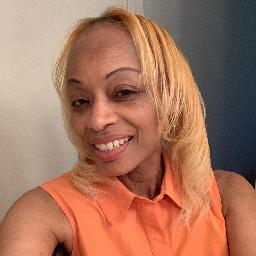
Antoinette Goss, LMHC, LPC
New York · 10 years in practice
Antoinette Goss is a Licensed Mental Health Counselor (LMHC) and holds a Licensed Professional Counselor (LPC) credential.
License and registration
- LMHC, New York
- 011420 · expires December 2026
- LPC, Virginia
- 0701013080 · expires June 2026
- NPI
- 1154605319 · national provider identifier
- Years in practice
- 10
- Languages
- English
Details are as listed on the therapist's public professional profile. You can check the license with the issuing state board, and the NPI with the national registry.
About Antoinette
Antoinette Goss is a Licensed Mental Health Counselor (LMHC) and holds a Licensed Professional Counselor (LPC) credential. She has a decade of clinical experience and uses that background to help people move through difficult moments. Her approach is practical and direct, with an emphasis on building tools that make daily life feel more manageable.
She works with adults on concerns such as stress, anxiety, depression, grief, relationship and intimacy issues, and coping with life changes.
Background and approach
Antoinette also supports people dealing with addictions, trauma and abuse, self-harm, and process-related problems like gambling or problematic sexual behavior. She pays attention to cultural and identity-based concerns, including prejudice and discrimination impacts. Her work draws from several therapy approaches so sessions fit each person's needs.
She commonly uses Existential therapy to look at meaning and values, Acceptance and Commitment Therapy to focus on action alongside difficult feelings, and Client-Centered methods to create a respectful, responsive space. Cognitive Behavioral Therapy and Emotionally-Focused Therapy also inform her practice when helpful.
Antoinette has experience addressing matters related to HIV and AIDS, postpartum depression, veteran and armed forces issues, infidelity, jealousy, and sexual assault. She aims to combine life experience with clinical methods to offer clear tools and steady support. Sessions are offered in English and she works with people in Virginia as well as international clients.
Her background emphasizes practical steps and collaboration to help people regain a sense of control and purpose.
Focus areas and approaches
Everything Antoinette lists on their public professional profile, in their own terms.
- Stress, Anxiety
- Addictions
- Trauma and abuse
- Self esteem
- Depression
- Relationship issues
- Family conflicts
- Grief
- Intimacy-related issues
- Anger management
- Career difficulties
- Bipolar disorder
- Coping with life changes
- HIV / AIDS
- Infidelity
- Jealousy
- Veteran and Armed Forces Issues
- Multicultural concerns
- Postpartum depression
- Prejudice and discrimination
- Process addiction (porn, exercise, gambling)
- Self-harm
- Sex addiction
- Sexual assault and abuse
Approaches Antoinette names
- Existential Therapy
- Acceptance and Commitment Therapy (ACT)
- Client-Centered Therapy
- Cognitive Behavioral Therapy (CBT)
- Emotionally-Focused Therapy (EFT)
- Gottman Method
- Mindfulness Therapy
- Narrative Therapy
- Psychodynamic Therapy
- Solution-Focused Therapy
- Trauma-Focused Therapy
Naming an approach is not evidence of training in it. This directory copies what each therapist lists and does not check training records.
Online support
How therapy approaches translate to online care
Existential therapy helps people look at meaning, values, and the choices they face. It’s useful when someone feels stuck, lost, or wants to rethink what matters in life. Acceptance and Commitment Therapy, or ACT, teaches practical skills to accept difficult feelings while taking actions that reflect personal values; it often helps with anxiety, depression, and ongoing stress. Client-Centered Therapy focuses on a respectful, nonjudgmental relationship where the therapist listens and follows the client’s lead to promote growth and self-understanding.Choosing the right approach happens together. Antoinette uses conversation and simple exercises to learn what matters to the client and what outcomes they want. Over a few sessions she and the client shape a plan that can include values work, skill practice, or emotion-focused tasks depending on the person’s goals.
Online therapy offers several practical benefits. Video calls let people have longer, face-to-face conversations and read nonverbal cues. Phone sessions work when bandwidth is limited or a shorter check-in is needed. Live chat and text-based messaging are useful for quick updates, coping tools between sessions, or when typing feels easier than speaking. These options make it easier to fit therapy into work, travel, or busy family schedules while keeping the focus on meaningful progress.
We will earn a commission if you sign up through our link, at no cost to you. It does not change what you pay or the order of the listings.
Questions people ask
What kinds of problems does Antoinette address?
She helps people with stress, anxiety, depression, grief, relationship and intimacy issues, and coping with life changes. She also supports those facing addictions, trauma, self-harm, and process addictions.
How would you describe her therapy style?
Her style is practical and collaborative. Sessions focus on building tools, clarifying values, and taking small steps that fit the client’s everyday life.
What training and background does she bring?
She has 10 years of clinical experience and blends life experience with evidence-informed approaches to therapy. That combination guides how she tailors care for each person.
Where is she based and what credentials does she hold?
She practices in Virginia and holds LMHC and LPC credentials as listed.
Can sessions be conducted in other countries or languages?
Sessions are offered in English and she accepts international clients.
What formats are available for sessions?
She meets by video calls, phone sessions, live chat, or text-based messaging to suit different schedules and needs.
How are sessions paid for and what does it cost?
Costs vary with location and therapist availability; sessions use a subscription model that can be canceled at any time.
What should I do to begin working together?
Click the Start Therapy button, complete the short matching questionnaire, and schedule according to the therapist’s availability.
More therapists in Virginia
See all
Angela Kennedy
LPC
Existential-informed counselor focused on practical change
- Stress, Anxiety
- Relationship
- Self esteem
Brenda Atkinson
LCSW, CSW
Experienced LCSW focused on life transitions
- Stress, Anxiety
- Relationship
- Family

Is this your profile?
Ask us to correct details or take the page down.
Contact us