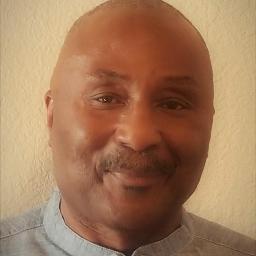
David Stewart, LPC
Colorado · 20 years in practice
David Stewart is a Licensed Professional Counselor (LPC) in Colorado who helps people facing stress, anxiety, addiction struggles, grief, and relationship or intimacy concerns.
License and registration
- LPC, Colorado
- LPC.0006302 · expires August 2027
- NPI
- 1194978601 · national provider identifier
- Years in practice
- 20
- Languages
- English
Details are as listed on the therapist's public professional profile. You can check the license with the issuing state board, and the NPI with the national registry.
About David
David Stewart is a Licensed Professional Counselor (LPC) in Colorado who helps people facing stress, anxiety, addiction struggles, grief, and relationship or intimacy concerns. He writes simply and listens carefully so people can find clearer direction. David works to create practical steps that fit each person's life rather than offering one-size-fits-all solutions.
With 20 years of experience, he brings a calm, collaborative style to sessions. He uses Existential ideas to look at meaning and choice, and he blends methods like Acceptance and Commitment Therapy and Cognitive Behavioral Therapy to address symptoms and actions.
Background and approach
Conversations focus on what matters to the person and what changes are possible now. David also pays attention to attachment patterns and how early relationships shape current problems. That perspective helps with issues such as codependency, communication problems, and intimacy difficulties.
He helps people name patterns, try new behaviors, and notice what shifts in relationships and mood. Sessions are practical and down-to-earth. People who struggle with sleep, parenting stress, anger, or workplace uncertainty will find concrete tools alongside reflective conversation.
He supports those coping with trauma, substance concerns, bipolar challenges, and life transitions in ways that respect their pace. David offers several online session formats so therapy can fit into busy schedules. He guides people through initial steps and helps them set reachable goals.
The aim is steady progress toward a more purposeful, manageable life.
Focus areas and approaches
Everything David lists on their public professional profile, in their own terms.
- Stress, Anxiety
- Addictions
- Relationship issues
- Family conflicts
- Depression
- LGBT
- Trauma and abuse
- Grief
- Intimacy-related issues
- Sleeping disorders
- Parenting issues
- Anger management
- Self esteem
- Career difficulties
- Bipolar disorder
- Coping with life changes
- Coaching
- Compassion fatigue
- ADHD
- Abandonment
- Aging and geriatric issues
- Antisocial personality
- Attachment issues
- Body image
- Caregiver issues and stress
- Codependency
- Communication problems
- Control issues
- Divorce and separation
- Forgiveness
- Guilt and shame
- Impulsivity
- Isolation / loneliness
- Life purpose
- Money and financial issues
- Mood disorders
- Narcissism
- Panic disorder and panic attacks
- Post-traumatic stress
- Self-love
- Social anxiety and phobia
Approaches David names
- Existential Therapy
- Acceptance and Commitment Therapy (ACT)
- Attachment-Based Therapy
- Client-Centered Therapy
- Cognitive Behavioral Therapy (CBT)
- Dialectical Behavior Therapy (DBT)
- Emotionally-Focused Therapy (EFT)
- Eye Movement Desensitization and Reprocessing (EMDR)
- Mindfulness Therapy
- Motivational Interviewing
- Narrative Therapy
- Psychodynamic Therapy
- Solution-Focused Therapy
Naming an approach is not evidence of training in it. This directory copies what each therapist lists and does not check training records.
Online support
Therapeutic approaches and online care
David blends Existential ideas with Acceptance and Commitment Therapy and Attachment-Based work to shape online sessions. Existential approaches look at meaning, choice, and how values guide actions, which can help people facing life transitions, questions about purpose, or deep uncertainty. Acceptance and Commitment Therapy (ACT) teaches practical skills for accepting difficult thoughts and committing to values-based behavior, useful for anxiety, depression, and chronic stress. Attachment-Based Therapy focuses on patterns formed in early relationships and helps people change how they connect and communicate with others, which is helpful for intimacy, codependency, and communication problems.Finding the right mix of approaches is a team effort. The therapist will discuss goals, preferences, and what feels most useful, then try strategies together and adjust as progress is observed. This collaborative stance helps tailor work to each person's pace and circumstances.
Online therapy is offered via video calls, phone sessions, live chat, and text-based messaging to make it easier to fit counseling into a busy life. Video sessions allow face-to-face conversation when more nuance is helpful. Phone sessions require less bandwidth and can be a good option for a check-in or when being on camera is difficult. Live chat and text-based messaging can be used for shorter check-ins, reflective exercises, or when written communication feels more helpful. These options give flexibility while keeping the focus on practical, meaningful change.
We will earn a commission if you sign up through our link, at no cost to you. It does not change what you pay or the order of the listings.
Questions people ask
What kinds of problems does he help with?
He works with many concerns including stress, anxiety, addictions, depression, trauma and abuse, grief, intimacy issues, sleep problems, parenting strain, anger, low self-esteem, career questions, bipolar disorder, ADHD, and coping with life changes.
What is his general approach to therapy?
He combines an Existential viewpoint with approaches like Acceptance and Commitment Therapy and Cognitive Behavioral Therapy to balance meaning-focused work and practical tools. Sessions are collaborative and aimed at immediate, workable steps.
How much experience does he have?
He has twenty years of professional experience working with a range of concerns and life transitions across Colorado.
What are his credentials and location?
He holds the Licensed Professional Counselor credential (LPC) and practices in Colorado.
Can sessions be conducted in languages other than English?
Sessions are offered in English.
Are international clients supported?
Yes, international clients are accepted and can work with him through the available online formats.
Which session formats are available?
He offers video calls, phone sessions, live chat, and text-based messaging to allow different ways to connect depending on needs and circumstances.
How does payment and scheduling work?
Session cost varies with location and therapist availability and uses a subscription that can be canceled at any time. To begin, select the Start Therapy button, complete a short matching questionnaire, and then schedule according to therapist availability.
More therapists in Colorado
See allCory Schortzman
LPC, LIMHP
Restoring connection and personal direction
- Stress, Anxiety
- Addictions
- Relationship

Linda Seibert
LPC
Direct, practical counseling focused on change
- Stress, Anxiety
- Relationship
- Intimacy-related issues

Benjamin Wayburn
LPC
Calm, practical therapy focused on meaning and resilience
- Stress, Anxiety
- Trauma and abuse
- Grief
Dr. Farah Ibrahim
CO Psychologist
Compassionate psychologist for life’s hard moments
- Stress, Anxiety
- Relationship
- Family

Is this your profile?
Ask us to correct details or take the page down.
Contact us