
Dawn Cooperstein, LCSW
Arizona · 17 years in practice
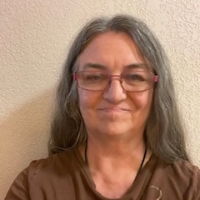
Dawn Cooperstein, LCSW, helps people facing anxiety, depression, trauma, grief, and challenges with identity and relationships.
License and registration
- LCSW, Arizona
- LCSW-18532 · expires February 2026
- LCSW, Virginia
- 0904009338 · expires June 2026
- NPI
- 1245692508 · national provider identifier
- Years in practice
- 17
- Languages
- English
Details are as listed on the therapist's public professional profile. You can check the license with the issuing state board, and the NPI with the national registry.
About Dawn
Dawn Cooperstein, LCSW, helps people facing anxiety, depression, trauma, grief, and challenges with identity and relationships. She works with issues like ADHD, stress, addiction, intimacy concerns, and life transitions such as midlife changes and parenting strains. Dawn offers a grounded, person-focused way of working that treats emotional pain as meaningful rather than flawed.
Her sessions are direct but warm. Dawn listens closely and helps people name what they’re feeling. She encourages honesty, autonomy, and practical steps that fit each person’s life.
Background and approach
Dawn draws on Jungian ideas about the inner life and on Existential viewpoints that ask what matters most to someone. She also uses client-centered methods to keep the work focused on each person’s needs. Evidence-informed tools from DBT and EMDR-informed strategies are included when helpful.
Many clients come for help with shame, abandonment, attachment wounds, or family-of-origin problems. Dawn also supports people navigating kink and alternative sex cultures, codependency, and issues around commitment, control, or dissociation. With 17 years of clinical experience and licenses in Arizona and Virginia, Dawn combines practical skills with a depth-oriented outlook.
Sessions aim to reduce overwhelm, build emotional regulation, and help people reconnect to purpose and values.
Focus areas and approaches
Everything Dawn lists on their public professional profile, in their own terms.
- LGBT
- Trauma and abuse
- Self esteem
- Coping with life changes
- ADHD
- Stress, Anxiety
- Addictions
- Relationship issues
- Family conflicts
- Grief
- Intimacy-related issues
- Parenting issues
- Anger management
- Career difficulties
- Bipolar disorder
- Depression
- Coaching
- Compassion fatigue
- Abandonment
- Attachment issues
- BDSM, kink, and alternative sex culture
- Codependency
- Commitment issues
- Communication problems
- Control issues
- Dissociation
- Emptiness
- Family of origin issues
- Family problems
- Guilt and shame
- Jealousy
- Life purpose
- Midlife crisis
- Mood disorders
- Narcissism
- Personality disorders
- Polyamory / non-monogamous relationships
- Post-traumatic stress
- Self-love
- Sexuality
- Somatization
- Women's issues
Approaches Dawn names
- Existential Therapy
- Client-Centered Therapy
- Dialectical Behavior Therapy (DBT)
- Eye Movement Desensitization and Reprocessing (EMDR)
- Jungian Therapy
- Mindfulness Therapy
- Psychodynamic Therapy
- Somatic Therapy
- Trauma-Focused Therapy
- Internal Family Systems
Naming an approach is not evidence of training in it. This directory copies what each therapist lists and does not check training records.
Online support
How therapeutic approaches shape online work
Dawn often blends Existential Therapy and Client-Centered Therapy to help people find meaning and clarity. Existential Therapy focuses on questions of purpose, freedom, and responsibility, which can be useful when people face big life changes or feelings of emptiness. Client-Centered Therapy emphasizes listening and collaboration, giving clients space to lead while the therapist reflects and supports what matters most to them.She also integrates Dialectical Behavior Therapy techniques when emotion regulation or distress tolerance skills are needed. DBT tools teach practical ways to manage intense feelings, reduce impulsive behavior, and improve communication in stressful moments.
Finding the right mix of approaches is a collaborative process. Dawn will talk with each person about goals, preferences, and which methods feel useful. Together they adjust the focus over time so sessions stay relevant and practical.
Online formats include video calls, phone sessions, live chat, and text-based messaging, which offer flexibility for different needs. Video calls work well for deeper conversation and visual connection. Phone sessions can fit a break at work or require less bandwidth. Live chat and messaging are useful for brief check-ins, skills practice, or ongoing support between longer sessions. These options help people fit therapy into busy lives and keep progress moving forward.
We will earn a commission if you sign up through our link, at no cost to you. It does not change what you pay or the order of the listings.
Questions people ask
What concerns does Dawn commonly address?
She supports people with anxiety, depression, trauma and abuse, grief, stress, and addictions. She also works with issues around identity, intimacy, parenting, and career transitions.
How would you describe her therapy style?
The approach is warm, direct, and person-centered. Sessions blend depth-oriented conversation with practical coping skills and emotional regulation work.
What kinds of experience does she bring?
Dawn has 17 years of clinical experience working with trauma, ADHD, midlife transitions, and complex emotional concerns. Her background includes both depth psychology and trauma-informed practice.
What credentials and location are listed?
She holds the LCSW credential and is licensed to practice in Arizona and Virginia. Her practice location is Arizona.
Which languages are offered and are international clients accepted?
Sessions are offered in English. International clients are not currently accepted.
What session formats are available?
Therapy is offered via video calls, phone sessions, live chat, and text-based messaging. Different formats can suit check-ins, longer talks, or ongoing skill work.
How is cost handled for sessions?
Cost varies with location and therapist availability. Sessions use a subscription model that can be canceled at any time.
How do I begin a first session?
To start, select the Start Therapy button, complete a short matching questionnaire, and then schedule according to therapist availability.
More therapists in Arizona
See allNada Cox
LCSW
Experienced LCSW guiding practical, meaning-centered therapy
- Stress, Anxiety
- LGBT
- Relationship
Cynthia Daley
LPC
Insightful counselor focused on meaning and practical change
- Stress, Anxiety
- Trauma and abuse
- Grief

Dr. Douglas Treese
AZ Psychologist
Helping adults map problems and make lasting change
- Stress, Anxiety
- Relationship
- Grief


Is this your profile?
Ask us to correct details or take the page down.
Contact us