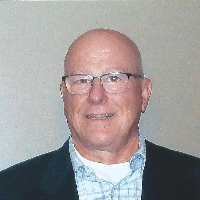
Donald Shawler, LCPC
Illinois · 20 years in practice
Donald Shawler is a Licensed Clinical Professional Counselor (LCPC) with two decades of experience helping adults manage depression, anxiety, and life changes.
License and registration
- LCPC, Illinois
- 180005917 · expires March 2027
- NPI
- 1336278191 · national provider identifier
- Years in practice
- 20
- Languages
- English
Details are as listed on the therapist's public professional profile. You can check the license with the issuing state board, and the NPI with the national registry.
About Donald
Donald Shawler is a Licensed Clinical Professional Counselor (LCPC) with two decades of experience helping adults manage depression, anxiety, and life changes. He blends practical skills with steady support so people can make clearer choices and feel less stuck. His style is direct but warm, focused on what a person needs now.
Shawler uses a person-centered approach that centers the client's experience and priorities. That means sessions begin with where the person is and build from there, not with a fixed plan.
Background and approach
He also uses cognitive behavioral techniques to spot and reframe unhelpful thought patterns that feed anxiety and low mood. Existential ideas shape his work when clients face questions about purpose, meaning, or major transitions. These conversations aim to clarify values and help people find workable directions, not to prescribe answers.
Emotionally focused and mindfulness practices are added when helpful to strengthen emotional awareness and coping in the moment. He offers concrete tools for anger management, stress reduction, and coping with grief, addiction, or relationship strain. Shawler also supports people dealing with identity issues such as LGBT concerns, body image, or sexuality topics including BDSM and kink in a nonjudgmental way.
Clients can expect practical guidance paired with a steady, respectful presence. Shawler works with each person at their own pace, mixing conversation, exercises, and skill-building to suit their goals and daily life. He practices in Illinois and meets people online in English.
Focus areas and approaches
Everything Donald lists on their public professional profile, in their own terms.
- Stress, Anxiety
- LGBT
- Anger management
- Self esteem
- Depression
- Addictions
- Relationship issues
- Family conflicts
- Trauma and abuse
- Grief
- Intimacy-related issues
- Career difficulties
- Bipolar disorder
- Coping with life changes
- Coaching
- Compassion fatigue
- Aging and geriatric issues
- BDSM, kink, and alternative sex culture
- Blended family issues
- Body image
- Caregiver issues and stress
- Codependency
- Communication problems
- Divorce and separation
- Drug and alcohol addiction
- Emptiness
- Family problems
- Forgiveness
- Guilt and shame
- HIV / AIDS
- Impulsivity
- Infidelity
- Isolation / loneliness
- Jealousy
- Life purpose
- Men's issues
- Mood disorders
- Multicultural concerns
- Panic disorder and panic attacks
- Polyamory / non-monogamous relationships
- Prejudice and discrimination
- Self-love
- Sexuality
- Social anxiety and phobia
- Workplace issues
Approaches Donald names
- Existential Therapy
- Client-Centered Therapy
- Cognitive Behavioral Therapy (CBT)
- Emotionally-Focused Therapy (EFT)
- Mindfulness Therapy
- Motivational Interviewing
- Solution-Focused Therapy
Naming an approach is not evidence of training in it. This directory copies what each therapist lists and does not check training records.
Online support
How therapeutic approaches translate to online care
Existential Therapy helps people consider meaning, choice, and values when life feels confusing or empty. Online conversations using this approach focus on clarifying what matters and exploring realistic next steps for change.Client-Centered Therapy centers the person's perspective and goals. In remote sessions this looks like open listening, reflecting back what matters, and letting the client's priorities steer the work.
Cognitive Behavioral Therapy (CBT) teaches concrete skills to spot and change thoughts and behaviors that keep problems going. CBT fits well online because thought records, behavior plans, and brief exercises can be shared and practiced between sessions.
Finding the right approach is part of the work. The therapist collaborates with each person to choose or combine methods based on individual needs, goals, and preferences, and adjusts the plan as progress is made.
Online formats include video calls, phone sessions, live chat, and text-based messaging, offering flexibility for different days and needs. Video lets for face-to-face conversation and shared worksheets, phone calls use less bandwidth for quick check-ins, live chat supports brief exchanges, and text messaging works well for ongoing coaching-style support. These options make it easier to fit therapy into work, caregiving, or travel schedules while keeping the focus on practical change.
We will earn a commission if you sign up through our link, at no cost to you. It does not change what you pay or the order of the listings.
Questions people ask
What kinds of concerns does he help with?
He works with stress, anxiety, depression, addictions, anger, relationship and family problems, grief, and a range of other issues including LGBT concerns and intimacy-related topics.
How would you describe his therapeutic style?
Sessions are person-centered and straightforward, mixing listening with practical techniques like cognitive behavioral work and emotion-focused tools to build skills and insight.
How much clinical experience does he have?
He has 20 years of experience working with adults on mood, behavior, and life transition issues.
Where is he licensed and located?
He is a Licensed Clinical Professional Counselor, licensed in Illinois, and practices from that state.
Can sessions be conducted in languages other than English?
Sessions are offered in English.
Are online or remote session formats available?
Yes. He offers video calls, phone sessions, live chat, and text-based messaging to accommodate different needs and schedules.
How are sessions paid for and what do costs look like?
Costs vary with location and therapist availability; sessions use a subscription model that can be canceled at any time.
What does the first step look like to begin therapy?
To begin, select the Start Therapy button, complete a short matching questionnaire, and schedule a session based on the therapist's availability.
More therapists in Illinois
See allVadim Sitnyakovskiy
LCPC
Insight-focused counselor helping people find meaning
- Stress, Anxiety
- Self esteem
- Depression

Shelia Cisco
LCPC
Compassionate guide for relationship and identity work
- Relationship
- Trauma and abuse
- Intimacy-related issues


Kenneth Catalanotte
LCSW
Existential-minded LCSW focused on meaning
- Trauma and abuse
- Grief
- Self esteem
Is this your profile?
Ask us to correct details or take the page down.
Contact us