
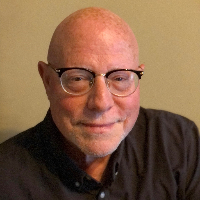
Gabriel Most, LCSW
New York · 25 years in practice
Gabriel Most is a Licensed Clinical Social Worker with 25 years of experience helping people manage stress, anxiety, depression, grief, and addictive behaviors.
License and registration
- LCSW, New York
- R040405-1 · expires October 2027
- NPI
- 1669017174 · national provider identifier
- Years in practice
- 25
- Languages
- English
Details are as listed on the therapist's public professional profile. You can check the license with the issuing state board, and the NPI with the national registry.
About Gabriel
Gabriel Most is a Licensed Clinical Social Worker with 25 years of experience helping people manage stress, anxiety, depression, grief, and addictive behaviors. He works with individuals facing relationship and intimacy concerns, compassion fatigue, and life transitions. Gabriel aims to make the first step feel manageable and straightforward for someone unsure about starting therapy.
He combines talk-based work with practical techniques that address both the mind and body. Gabriel draws on existential ideas about meaning and choice to help people clarify their values and direction.
Background and approach
He also uses cognitive behavioral strategies to shift unhelpful thinking and mindfulness practices to build calm and focus. Gabriel trained at Hunter College, City University of New York, and later earned a nursing degree from the Phillips Beth Israel School of Nursing in 2012. That combination informs his interest in how physical health and mental health affect one another.
He often discusses how daily habits, sleep, and stress responses shape mood and decision making. Sessions tend to be collaborative and practical. Gabriel works with people to set clear goals, try new coping skills, and track small changes between sessions.
He emphasizes straightforward feedback and a nonjudgmental tone to help people feel known and understood. He practices in New York as an LCSW. Gabriel welcomes conversations about life purpose, trauma and abuse, gender and identity concerns, and end-of-life questions, and he tailors methods to each person’s needs and goals.
Focus areas and approaches
Everything Gabriel lists on their public professional profile, in their own terms.
- Stress, Anxiety
- Addictions
- LGBT
- Grief
- Depression
- Relationship issues
- Family conflicts
- Trauma and abuse
- Intimacy-related issues
- Anger management
- Self esteem
- Coping with life changes
- Compassion fatigue
- Abandonment
- Aging and geriatric issues
- Attachment issues
- Body image
- Cancer
- Codependency
- Commitment issues
- Dissociation
- First responder issues
- Forgiveness
- Gender dysphoria
- Guilt and shame
- HIV / AIDS
- Hospice and end-of-life counseling
- Life purpose
- Midlife crisis
- Polyamory / non-monogamous relationships
- Post-traumatic stress
- Prejudice and discrimination
- Self-love
- Sex addiction
- Sexual assault and abuse
- Sexuality
- Smoking / vaping cessation
- Social anxiety and phobia
Approaches Gabriel names
- Existential Therapy
- Cognitive Behavioral Therapy (CBT)
- Eye Movement Desensitization and Reprocessing (EMDR)
- Mindfulness Therapy
- Solution-Focused Therapy
- Trauma-Focused Therapy
Naming an approach is not evidence of training in it. This directory copies what each therapist lists and does not check training records.
Online support
How Gabriel’s Approaches Work Online
Gabriel often combines existential ideas with cognitive behavioral techniques to help people clarify what matters and make concrete changes. Existential work focuses on meaning, choice, and personal values to help clients find direction during life transitions. Cognitive Behavioral Therapy (CBT) addresses patterns of thinking and behavior by teaching specific strategies to reduce anxiety, depression, and unhelpful habits.He may also use EMDR methods when trauma memories are a central concern to reduce the distress tied to those memories and support safer processing. That approach can be helpful for people who have trauma, abuse histories, or intense past events that continue to affect current life and relationships.
Finding the right mix of methods is part of the process. Gabriel works collaboratively to decide which approaches fit a person’s goals, comfort level, and experiences. He will explain options, try techniques together, and adjust the plan based on what is helpful.
Online sessions are offered by video call, phone, live chat, or text-based messaging to increase flexibility. Video sessions suit more in-depth work that benefits from visual connection. Phone sessions need less bandwidth and can fit a break at work. Live chat and text messaging are useful for brief check-ins, tracking practice between sessions, or when someone prefers written communication.
We will earn a commission if you sign up through our link, at no cost to you. It does not change what you pay or the order of the listings.
Questions people ask
What concerns does Gabriel commonly help with?
He helps people facing stress, anxiety, depression, grief, addictions, relationship and intimacy issues, compassion fatigue, and life changes. Additional focus areas include attachment, body image, gender dysphoria, and end-of-life concerns.
How would you describe his therapeutic style?
He blends existential exploration with practical techniques like cognitive behavioral work and mindfulness. Sessions are collaborative and focused on clear goals and usable coping skills.
What is his professional background?
He has 25 years of clinical experience and holds a Master of Social Work. He also completed a nursing degree in 2012, which influences his interest in the mind-body connection.
Where is he based and what credential does he hold?
He practices in New York and is a Licensed Clinical Social Worker, LCSW, licensed in New York.
Which languages are supported during sessions?
Sessions are offered in English.
What session formats are available online?
He offers video calls, phone sessions, live chat, and text-based messaging so people can choose what fits their schedule and comfort.
How are fees and subscriptions handled?
Cost varies by location and therapist availability, and sessions use a subscription model that can be canceled at any time.
How do I begin working with him?
Click the Start Therapy button, complete a short matching questionnaire, and schedule according to the therapist's availability.
More therapists in New York
See allJohn Shafer
LCSW
Experienced existential therapist with practical tools
- Stress, Anxiety
- Relationship
- Family

Rita Simmonds
LMHC
Practical, meaning-focused support for life shifts
- Stress, Anxiety
- Trauma and abuse
- Grief

Prof. Michael Feldler
LMHC
Experienced counselor blending values and skills
- Stress, Anxiety
- Addictions
- Relationship
Dr. Sung Ho Kim
NY Psychoanalyst
Calm guidance for meaning and coping
- Stress, Anxiety
- Relationship
- Trauma and abuse

Is this your profile?
Ask us to correct details or take the page down.
Contact us