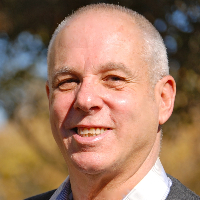
Gary Zarchy, LPC
Arizona · 25 years in practice
Gary Zarchy is a Licensed Professional Counselor (LPC) with 25 years of experience helping people through stress, anxiety, addiction, grief, and relationship struggles.
License and registration
- LPC, Arizona
- LPC-10642 · expires September 2026
- NPI
- 1598827214 · national provider identifier
- Years in practice
- 25
- Languages
- English
Details are as listed on the therapist's public professional profile. You can check the license with the issuing state board, and the NPI with the national registry.
About Gary
Gary Zarchy is a Licensed Professional Counselor (LPC) with 25 years of experience helping people through stress, anxiety, addiction, grief, and relationship struggles. He focuses on practical, person-focused guidance and clear next steps. He aims to help clients feel more in control and reach their goals.
Gary draws on existential ideas that help people find meaning and direction during hard times. He also uses client-centered methods to make sessions collaborative and respectful.
Background and approach
Cognitive Behavioral Therapy (CBT) is part of his toolbox when patterns of thinking and behavior need to change. He has long experience with substance use issues, gender and LGBT concerns, trauma and abuse, and mood challenges such as depression and bipolar disorder. He also addresses career stress, compassion fatigue, intimacy concerns, and struggles with family of origin and communication problems.
Gary earned his master’s degree from the University of Phoenix and has taught in its counseling department for 18 years. That teaching work includes both in-person and online instruction, which informs his practical, educational style in therapy. He describes his role as guide, educator, advocate, and cheerleader.
Sessions emphasize collaboration and real-world strategies. He helps people set achievable goals and build the skills to meet them. His goal is to empower clients to grow and eventually move beyond needing therapy.
Focus areas and approaches
Everything Gary lists on their public professional profile, in their own terms.
- Stress, Anxiety
- Addictions
- LGBT
- Relationship issues
- Depression
- Family conflicts
- Trauma and abuse
- Grief
- Intimacy-related issues
- Anger management
- Self esteem
- Career difficulties
- Bipolar disorder
- Coping with life changes
- Coaching
- Compassion fatigue
- Aging and geriatric issues
- Antisocial personality
- Co-morbidity
- Codependency
- Communication problems
- Divorce and separation
- Drug and alcohol addiction
- Emptiness
- Family of origin issues
- First responder issues
- Forgiveness
- Gender dysphoria
- Guilt and shame
- HIV / AIDS
- Hospice and end-of-life counseling
- Infidelity
- Isolation / loneliness
- Life purpose
- Men's issues
- Midlife crisis
- Mood disorders
- Multicultural concerns
- Panic disorder and panic attacks
- Post-traumatic stress
- Prejudice and discrimination
- Process addiction (porn, exercise, gambling)
- Self-love
- Sexuality
- Social anxiety and phobia
Approaches Gary names
- Existential Therapy
- Client-Centered Therapy
- Cognitive Behavioral Therapy (CBT)
- Eye Movement Desensitization and Reprocessing (EMDR)
- Mindfulness Therapy
- Motivational Interviewing
- Solution-Focused Therapy
Naming an approach is not evidence of training in it. This directory copies what each therapist lists and does not check training records.
Online support
Approaches that guide online work and meaning-focused care
Gary uses Existential Therapy to help people examine values, purpose, and the choices that shape their lives; this approach is useful for those facing loss, life transitions, or a sense of emptiness. He also applies Client-Centered Therapy, which centers the conversation on the person’s experience and supports self-directed growth through empathetic listening and feedback. Cognitive Behavioral Therapy (CBT) is used when a client wants tools to change unhelpful thoughts and behaviors that contribute to anxiety, depression, or substance use.Choosing the right method is a collaborative process. Gary works with each person to identify goals, try approaches, and adjust the plan based on what helps most. He explains options plainly and checks in often so the work stays practical and relevant.
Online formats include video calls, phone sessions, live chat, and text-based messaging to suit different needs. Video lets people see facial cues and have a fuller conversation. Phone sessions need less bandwidth and work well for a quick check-in or when being on camera isn’t preferable. Live chat and text messaging make it easier to fit brief check-ins around a busy day and to follow up between sessions. These options make it more flexible to maintain continuity of care across schedules and locations.
We will earn a commission if you sign up through our link, at no cost to you. It does not change what you pay or the order of the listings.
Questions people ask
What concerns does Gary commonly help with?
He works with stress, anxiety, addictions, depression, trauma, grief, relationship and intimacy-related issues among other concerns listed in his profile.
What is his therapeutic style like?
He combines Existential perspectives with client-centered listening and practical strategies from Cognitive Behavioral Therapy to help people find meaning and change patterns.
How much clinical experience does he have?
He has 25 years of experience working in counseling and related settings, including long-term work with substance use and trauma.
Where is he based and what credential does he hold?
He practices in Arizona and holds the LPC credential, specifically an Arizona LPC.
Which languages are sessions offered in?
Sessions are offered in English.
Can people outside the U.S. work with him?
International clients are not currently accepted.
What session formats are available?
He offers video calls, phone sessions, live chat, and text-based messaging to fit different schedules and needs.
How does cost and getting started work?
Cost varies with location and therapist availability and uses a subscription that can be canceled at any time; begin by selecting the Start Therapy button and completing the short matching questionnaire to schedule.
More therapists in Arizona
See allNada Cox
LCSW
Experienced LCSW guiding practical, meaning-centered therapy
- Stress, Anxiety
- LGBT
- Relationship
Cynthia Daley
LPC
Insightful counselor focused on meaning and practical change
- Stress, Anxiety
- Trauma and abuse
- Grief
Dr. Douglas Treese
AZ Psychologist
Helping adults map problems and make lasting change
- Stress, Anxiety
- Relationship
- Grief

Is this your profile?
Ask us to correct details or take the page down.
Contact us