
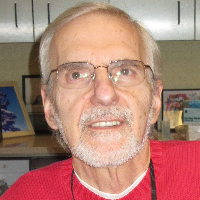
Kenneth Vick, LCPC
Illinois · 26 years in practice
Kenneth Vick is a licensed clinical professional counselor who focuses on helping people face life’s hard questions and find clearer direction.
License and registration
- LCPC, Illinois
- 180.003698 · expires March 2027
- NPI
- 1932391984 · national provider identifier
- Years in practice
- 26
- Languages
- English
Details are as listed on the therapist's public professional profile. You can check the license with the issuing state board, and the NPI with the national registry.
About Kenneth
Kenneth Vick is a licensed clinical professional counselor who focuses on helping people face life’s hard questions and find clearer direction. He brings a calm, direct style and 26 years of experience to conversations about addiction, trauma, depression, relationships, and intimacy-related concerns. He aims to make the first steps less overwhelming.
Sessions are meant to be a place where people can say difficult things without judgment. Kenneth values honest talk and practical next steps that match each person's pace.
Background and approach
His work draws on existential ideas that look at meaning, choice, and responsibility alongside client-centered listening. He also uses cognitive behavioral techniques when people want tools to change thoughts and behaviors, and motivational interviewing to support change around substance use and other habits. In practice Kenneth helps with sleep problems, self-esteem struggles, and the fallout from family of origin issues.
He also addresses eating and body image concerns, chronic illness or pain, dissociation, and reactions to natural or man-made disasters. He is licensed in Illinois as an LCPC. Sessions are offered in English and he is available to work with international clients.
The focus is on clear conversation, manageable goals, and steady support as people move toward change.
Focus areas and approaches
Everything Kenneth lists on their public professional profile, in their own terms.
- Addictions
- LGBT
- Trauma and abuse
- Depression
- Coping with life changes
- Relationship issues
- Intimacy-related issues
- Sleeping disorders
- Self esteem
- Abandonment
- Blended family issues
- Body image
- Chronic pain, illness, and disability
- Co-morbidity
- Commitment issues
- Communication problems
- Coping with natural or human-caused disaster
- Disruptive Mood Dysregulation Disorder (DMDD)
- Dissociation
- Drug and alcohol addiction
- Eating and food-related issues
- Family of origin issues
- Family problems
- Forgiveness
- Guilt and shame
- Immigration issues
- Isolation / loneliness
- Life purpose
- Money and financial issues
- Mood disorders
- Multicultural concerns
- Personality disorders
- Post-traumatic stress
- Prejudice and discrimination
- Self-harm
- Sexuality
- Social anxiety and phobia
- Workplace issues
Approaches Kenneth names
- Existential Therapy
- Client-Centered Therapy
- Cognitive Behavioral Therapy (CBT)
- Motivational Interviewing
- Narrative Therapy
- Solution-Focused Therapy
- Trauma-Focused Therapy
- Internal Family Systems
Naming an approach is not evidence of training in it. This directory copies what each therapist lists and does not check training records.
Online support
How therapeutic approaches fit into online care
Existential Therapy looks at meaning, choice, and what matters most in a person’s life. It helps when people feel stuck, empty, or unsure about their next steps. Client-Centered Therapy focuses on listening without judgment and reflecting what a person says so they can hear themselves more clearly. This approach helps build trust and supports emotional processing. Cognitive Behavioral Therapy, or CBT, teaches practical ways to notice and change unhelpful thoughts and behaviors, which can be useful for depression, anxiety, sleep problems, and habit change.Deciding which approach to use is collaborative. The therapist will talk with each person about their goals and try methods that fit their needs. Over a few sessions they will adjust the plan so it feels helpful and realistic rather than fixed from the start.
Online formats include video calls, phone sessions, live chat, and text-based messaging. Video allows face-to-face conversation and visual cues. Phone sessions can be easier when bandwidth is limited or a shorter check-in is preferred. Live chat and text messaging are useful for quick updates, between-session coaching, or when someone wants to reflect in writing. These options make scheduling more flexible and help people keep continuity of care despite busy lives.
We will earn a commission if you sign up through our link, at no cost to you. It does not change what you pay or the order of the listings.
Questions people ask
What issues does Kenneth address?
He works with people facing addictions, trauma and abuse, depression, relationship and intimacy-related issues, sleep problems, and low self-esteem among other concerns.
What is his therapeutic style like?
He combines a reflective, client-centered stance with practical strategies. Expect honest listening paired with tools to change thoughts and behaviors when useful.
How much experience does he bring?
He has 26 years of professional experience working with a range of mental health and behavioral concerns.
Where is he licensed and based?
He holds an Illinois LCPC credential and practices from Illinois.
Which languages are supported for sessions?
Sessions are offered in English and he also accepts international clients.
What session formats are available?
Sessions can be scheduled as video calls, phone sessions, live chat, or text-based messaging to fit different needs.
How are fees handled?
Cost varies with location and therapist availability and sessions use a subscription model that can be canceled at any time.
How do I begin working with him?
Click the Start Therapy button, complete a short matching questionnaire, and schedule sessions according to therapist availability.
More therapists in Illinois
See allVadim Sitnyakovskiy
LCPC
Insight-focused counselor helping people find meaning
- Stress, Anxiety
- Self esteem
- Depression

Shelia Cisco
LCPC
Compassionate guide for relationship and identity work
- Relationship
- Trauma and abuse
- Intimacy-related issues


Kenneth Catalanotte
LCSW
Existential-minded LCSW focused on meaning
- Trauma and abuse
- Grief
- Self esteem
Is this your profile?
Ask us to correct details or take the page down.
Contact us