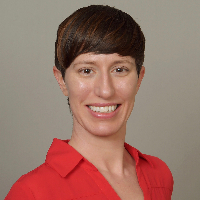
Leah Finn, LMFT
California · 8 years in practice
Leah Finn is a licensed marriage and family therapist practicing in California.
License and registration
- LMFT, California
- 98860 · expires June 2026
- NPI
- 1336457506 · national provider identifier
- Years in practice
- 8
- Languages
- English
Details are as listed on the therapist's public professional profile. You can check the license with the issuing state board, and the NPI with the national registry.
About Leah
Leah Finn is a licensed marriage and family therapist practicing in California. She brings eight years of experience helping people cope with anxiety, depression, grief, and major life changes. Leah works in a warm, interactive style and aims to create a respectful space for honest conversation.
Leah uses tools from several approaches to match each person's needs. She draws on existential ideas to help people find meaning and direction. She also uses attachment-based and client-centered methods to focus on relationship patterns and personal strengths.
Background and approach
Sessions are straightforward and collaborative. Leah listens for what feels most important to the person sitting with her, then offers practical skills such as coping strategies from cognitive behavioral work and emotion regulation tools from dialectical behavior therapy. Conversations can include exploring difficult emotions, setting boundaries, and improving communication.
Leah has a Master of Arts in Counseling Psychology and holds the Licensed Marriage and Family Therapist credential, LMFT. Her earlier work as a community organizer informs her attention to how race, class, gender, sexuality, and ability shape life experience.
She offers a sex-positive approach and has focused experience supporting people in the LGBTQIA+ community, including those who identify as polyamorous or participate in kink and BDSM culture. Leah adapts sessions to the concerns you bring and helps create realistic steps forward.
Focus areas and approaches
Everything Leah lists on their public professional profile, in their own terms.
- Stress, Anxiety
- LGBT
- Grief
- Depression
- Coping with life changes
- Addictions
- Relationship issues
- Family conflicts
- Trauma and abuse
- Intimacy-related issues
- Sleeping disorders
- Anger management
- Self esteem
- Compassion fatigue
- ADHD
- Abandonment
- Attachment issues
- BDSM, kink, and alternative sex culture
- Body image
- Caregiver issues and stress
- Chronic pain, illness, and disability
- Codependency
- Commitment issues
- Communication problems
- Coping with natural or human-caused disaster
- Dependent personality
- Dissociation
- Emptiness
- Family of origin issues
- Family problems
- Fertility issues
- First responder issues
- Forgiveness
- Gender dysphoria
- Guilt and shame
- HIV / AIDS
- Impulsivity
- Infidelity
- Isolation / loneliness
- Jealousy
- Life purpose
- Mood disorders
- Multicultural concerns
- Narcissism
- Panic disorder and panic attacks
- Polyamory / non-monogamous relationships
- Post-traumatic stress
- Pregnancy and childbirth
- Prejudice and discrimination
- Self-harm
- Self-love
- Sexual assault and abuse
- Sexual dysfunction
- Sexuality
- Smoking / vaping cessation
- Social anxiety and phobia
- Women's issues
- Workplace issues
Approaches Leah names
- Existential Therapy
- Attachment-Based Therapy
- Client-Centered Therapy
- Cognitive Behavioral Therapy (CBT)
- Dialectical Behavior Therapy (DBT)
- Gottman Method
- Mindfulness Therapy
- Motivational Interviewing
- Narrative Therapy
- Psychodynamic Therapy
- Solution-Focused Therapy
- Trauma-Focused Therapy
Naming an approach is not evidence of training in it. This directory copies what each therapist lists and does not check training records.
Online support
How therapy approaches translate to online care
Existential Therapy helps people consider meaning, purpose, and the choices they make. Online sessions can use this approach to talk through life transitions, questions about identity, or feelings of emptiness and help clarify next steps.Attachment-Based Therapy looks at how early and current relationship patterns shape emotions and behavior. In remote sessions this often means mapping how you connect with others and practicing new ways to ask for needs and set boundaries.
Finding the right approach is part of the work. Leah will collaborate with each person to choose techniques that match goals and comfort level, adjusting methods over time based on what helps most.
Online formats include video calls, phone sessions, live chat, and text-based messaging. Video calls are useful for deeper conversation and visual cues, phone sessions can be easier when bandwidth is limited, live chat works for shorter check-ins, and messaging lets you reflect between sessions. These options make it easier to fit therapy into a busy day and keep continuity when schedules change.
We will earn a commission if you sign up through our link, at no cost to you. It does not change what you pay or the order of the listings.
Questions people ask
What kinds of concerns does Leah address?
Leah works with stress, anxiety, depression, grief, trauma and abuse, addictions, intimacy-related issues, and many relationship and family problems. She also helps with ADHD, sleep issues, anger, self-esteem, and caregiver stress.
How would you describe her therapeutic style?
Her style is warm, interactive, and nonjudgmental. Sessions focus on listening, exploring what matters to you, and developing practical coping strategies together.
What training and experience supports her work?
She has eight years of clinical experience and a Master of Arts in Counseling Psychology. Prior work as a community organizer shapes her interest in intersectional issues.
Where is Leah licensed to practice?
Leah holds a California Licensed Marriage and Family Therapist credential, LMFT, and practices in California.
Which languages are sessions offered in?
Sessions are offered in English.
What session formats are available?
She offers video calls, phone sessions, live chat, and text-based messaging to fit different needs and schedules.
How is cost handled for sessions?
Cost varies with location and therapist availability; sessions use a subscription that can be canceled at any time.
What steps do I take to begin working together?
Use the Start Therapy button, complete the short matching questionnaire, and then schedule sessions according to the therapist's availability.
More therapists in California
See allGian Sarabia
LMFT
Calm, practical help for life and relationships
- Trauma and abuse
- Intimacy-related issues
- Bipolar


Sherri Kardell
LMFT
Calm guidance through life’s painful transitions
- Relationship
- Family
- Trauma and abuse

Stacey Sugar
MD, LCPC, LPCC
Existential-informed therapist focused on meaning
- Stress, Anxiety
- Relationship
- Family

Is this your profile?
Ask us to correct details or take the page down.
Contact us