
Lindsey Peterson, LICSW
Minnesota · 16 years in practice
Lindsey Peterson is a licensed clinical social worker who helps people facing grief, anxiety, depression, and major life changes.
License and registration
- LICSW, Minnesota
- 19300 · expires December 2026
- NPI
- 1437740545 · national provider identifier
- Years in practice
- 16
- Languages
- English
Details are as listed on the therapist's public professional profile. You can check the license with the issuing state board, and the NPI with the national registry.
About Lindsey
Lindsey Peterson is a licensed clinical social worker who helps people facing grief, anxiety, depression, and major life changes. She keeps meetings straightforward and calm so people can say what they need without being judged. Lindsey uses plain talk and steady attention to make beginning therapy feel easier for a worried parent or someone burned out by stress.
She leans on 16 years of experience and her Minnesota LICSW credential to guide practical work on sleep, concentration, and daily routines.
Background and approach
Lindsey blends ideas from Existential therapy and Acceptance and Commitment Therapy to help people name what matters to them and take small steps toward it. She also draws on Cognitive Behavioral Therapy and Client-Centered methods to clarify patterns and strengthen coping skills. Sessions focus on concrete goals.
Lindsey helps people manage ADHD symptoms, addictive behaviors, and career stress with short, manageable strategies. She also addresses complex concerns such as chronic illness, caregiver strain, fertility challenges, and feelings of emptiness or shame. Her approach is collaborative rather than prescriptive.
Lindsey listens first, then suggests exercises or experiments that fit a person’s life and schedule. She guides communication work for common family and relationship struggles without assuming a one-size-fits-all solution. Therapy can include coaching-style conversations when clients want practical next steps.
Lindsey offers live sessions and messaging options for ongoing support, helping people keep progress moving between appointments.
Focus areas and approaches
Everything Lindsey lists on their public professional profile, in their own terms.
- Grief
- Coping with life changes
- ADHD
- Stress, Anxiety
- Addictions
- Sleeping disorders
- Self esteem
- Career difficulties
- Depression
- Coaching
- Aging and geriatric issues
- Autism and Asperger Syndrome
- Cancer
- Caregiver issues and stress
- Chronic pain, illness, and disability
- Codependency
- Communication problems
- Control issues
- Dissociation
- Drug and alcohol addiction
- Emptiness
- Family problems
- Fertility issues
- Forgiveness
- Guilt and shame
- Hoarding
- Hospice and end-of-life counseling
- Impulsivity
- Isolation / loneliness
- Life purpose
- Midlife crisis
- Veteran and Armed Forces Issues
- Money and financial issues
- Mood disorders
- Multicultural concerns
- Narcissism
- Panic disorder and panic attacks
- Postpartum depression
- Post-traumatic stress
- Pregnancy and childbirth
- Process addiction (porn, exercise, gambling)
- Seasonal Affective Disorder (SAD)
- Self-love
- Traumatic brain injury
- Women's issues
- Workplace issues
Approaches Lindsey names
- Existential Therapy
- Acceptance and Commitment Therapy (ACT)
- Client-Centered Therapy
- Cognitive Behavioral Therapy (CBT)
- Emotionally-Focused Therapy (EFT)
- Mindfulness Therapy
- Motivational Interviewing
- Narrative Therapy
- Solution-Focused Therapy
- Somatic Therapy
- Systemic Therapy
Naming an approach is not evidence of training in it. This directory copies what each therapist lists and does not check training records.
Online support
How Lindsey’s approaches work online
Existential therapy helps people face big questions such as meaning, loss, and life transitions. It invites honest reflection about values and what matters now, which can reduce the fog around hard decisions. Acceptance and Commitment Therapy, or ACT, teaches practical tools to notice thoughts and feelings without getting stuck and to take small committed actions toward chosen goals. Client-Centered Therapy focuses on creating a warm, nonjudgmental space where people feel heard and understood, which helps build trust and clarity.Choosing the right approach often happens together. Lindsey will listen to your concerns, try an approach, and adjust based on your goals and preferences. This collaborative process means methods can be mixed or changed as you learn what helps most.
Online options include video calls, phone sessions, live chat, and text-based messaging. Video lets you have deeper conversations with visual cues. Phone calls work well when bandwidth is limited or when a camera feels like too much. Live chat and messaging are useful for quick check-ins, skill reminders, and between-session support. These flexible formats make it easier to fit therapy into busy days and to keep progress moving between sessions.
We will earn a commission if you sign up through our link, at no cost to you. It does not change what you pay or the order of the listings.
Questions people ask
What concerns does Lindsey commonly help with?
She works with grief, anxiety, depression, stress, ADHD, sleep problems, addictions, self-esteem, career issues, and general life changes.
What is her therapeutic style like?
Her style is collaborative and straightforward, combining listening with practical exercises to build coping skills and clarity.
How much clinical experience does she have?
Lindsey has 16 years of professional experience supporting people through a range of emotional and life challenges.
What credentials and location are listed?
She holds a Minnesota LICSW and practices from Minnesota.
Which languages and international options are available?
Sessions are offered in English and Lindsey accepts international clients.
How can sessions be held?
Therapy is offered via video calls, phone sessions, live chat, or text-based messaging to fit different schedules and needs.
How are fees handled?
Cost varies with location and therapist arrangements; sessions use a subscription model that can be canceled at any time.
What steps are needed to begin work together?
Choose the Start Therapy button, complete a short matching questionnaire, and then schedule sessions according to therapist scheduling.
More therapists in Minnesota
See allStephanie Sligo-Baker
LICSW
Compassionate, practical therapy focused on meaning
- Stress, Anxiety
- LGBT
- Trauma and abuse
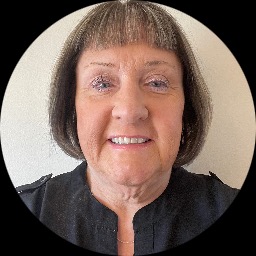
Mary Schoen
LICSW
Practical, accepting therapy focused on life change
- Stress, Anxiety
- Addictions
- Trauma and abuse

Alice Congdon
LPCC
Existential-informed counselor focused on practical change
- Stress, Anxiety
- Addictions
- Relationship

Christina (Crissy) Irrgang-Wade
LPCC
Existential-informed counselor focused on life changes
- Stress, Anxiety
- Trauma and abuse
- Anger

Is this your profile?
Ask us to correct details or take the page down.
Contact us