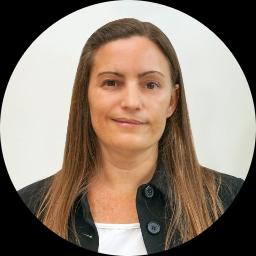
Lisa Westcoat, LMHC
Florida · 14 years in practice
Lisa Westcoat is a Licensed Mental Health Counselor (LMHC) practicing in Florida with 14 years in the mental health field.
License and registration
- LMHC, Florida
- MH19506 · expires March 2027
- NPI
- 1568895712 · national provider identifier
- Years in practice
- 14
- Languages
- English
Details are as listed on the therapist's public professional profile. You can check the license with the issuing state board, and the NPI with the national registry.
About Lisa
Lisa Westcoat is a Licensed Mental Health Counselor (LMHC) practicing in Florida with 14 years in the mental health field. She speaks plainly and listens closely to help people untangle stress, anxiety, depression, and relationship strain. Lisa aims to make the counseling space approachable and straightforward for people who are worried or overwhelmed.
She draws on practical strategies that match each person's needs. Sessions often include skill-building for coping with life changes, managing anger, and addressing substance use or compulsive behaviors.
Background and approach
Lisa also works with people dealing with trauma, grief, intimacy concerns, and self-esteem struggles. Her background includes long experience in addiction treatment and work with family conflict, codependency, and issues tied to guilt and shame. That experience informs how she helps people understand patterns and change destructive thoughts and behaviors.
She uses elements from cognitive behavioral approaches and acceptance-based work to support lasting change. Lisa describes her style as warm and down-to-earth with a direct, encouraging manner when needed. She mixes a sense of humor with realistic steps so people leave sessions with clear actions to try.
Her goal is to help people build coping skills and restore a greater sense of control in daily life. People who prefer a collaborative and practical approach may find her helpful. She tailors sessions using mindfulness, client-centered listening, and tools from Acceptance and Commitment Therapy to meet individual goals.
Focus areas and approaches
Everything Lisa lists on their public professional profile, in their own terms.
- Stress, Anxiety
- Relationship issues
- Trauma and abuse
- Self esteem
- Coping with life changes
- Addictions
- Family conflicts
- Grief
- Intimacy-related issues
- Parenting issues
- Anger management
- Bipolar disorder
- Depression
- Compassion fatigue
- Abandonment
- Adoption and foster care
- Codependency
- Commitment issues
- Communication problems
- Control issues
- Domestic violence
- Drug and alcohol addiction
- Family problems
- Forgiveness
- Guilt and shame
- Impulsivity
- Infidelity
- Isolation / loneliness
- Jealousy
- Mood disorders
- Post-traumatic stress
- Self-love
- Women's issues
- Workplace issues
- Young adult issues
Approaches Lisa names
- Existential Therapy
- Acceptance and Commitment Therapy (ACT)
- Client-Centered Therapy
- Cognitive Behavioral Therapy (CBT)
- Mindfulness Therapy
- Motivational Interviewing
- Solution-Focused Therapy
- Somatic Therapy
- Trauma-Focused Therapy
Naming an approach is not evidence of training in it. This directory copies what each therapist lists and does not check training records.
Online support
How therapy approaches translate to online care
Existential Therapy helps people face big life questions and find meaning in change; this can assist those coping with loss, major transitions, or feelings of emptiness. Acceptance and Commitment Therapy (ACT) focuses on accepting difficult thoughts while committing to values-based actions, which often helps with anxiety, depression, and avoidance patterns. Client-Centered Therapy centers the session on the person's experience by offering empathic listening and support to clarify goals and strengthen self-trust.Finding the right approach is part of the work. The therapist will collaborate to identify which methods fit the client's needs, goals, and preferences. Together they decide whether to emphasize meaning-focused conversations, acceptance skills, or practical behavioral changes based on how the client responds.
Online therapy offers flexible ways to work. Video calls let people have longer face-to-face conversations. Phone sessions can be easier when bandwidth is limited or a shorter check-in is needed. Live chat and text-based messaging allow brief updates, tools between sessions, or ongoing support without scheduling a full call. These options make it simpler to fit counseling into a busy routine or to continue care when travel or time constraints arise.
We will earn a commission if you sign up through our link, at no cost to you. It does not change what you pay or the order of the listings.
Questions people ask
What concerns does she commonly address?
She helps people with stress, anxiety, depression, relationship problems, trauma and abuse, grief, and addiction-related issues.
What is her general therapy style like?
Her approach is warm and down-to-earth with a direct, encouraging tone; sessions focus on practical steps and skill-building.
What kind of experience does she have?
She has 14 years working full-time in the mental health field, including experience in addiction treatment and family conflict work.
What credentials and region are listed?
She is a Licensed Mental Health Counselor (LMHC) practicing in Florida.
Which languages are supported and are international clients accepted?
Sessions are offered in English and she is not accepting international clients.
What session formats does she offer online?
Sessions can be conducted via video calls, phone sessions, live chat, or text-based messaging.
How does cost and billing work?
Cost varies with location and therapist availability; sessions use a subscription model that can be canceled at any time.
How do I begin working with her?
To get started, select the Start Therapy button, complete a short matching questionnaire, and schedule sessions according to therapist availability.
More therapists in Florida
See all
Crystal Scott
LPC, LMHC
Warm practical support for life’s tough moments
- Stress, Anxiety
- Anger
- Self esteem

Dr. Kathleen "Kathy" Meeks
LMFT
Relational therapist with an existential focus
- Relationship
- Family
- Trauma and abuse

Is this your profile?
Ask us to correct details or take the page down.
Contact us