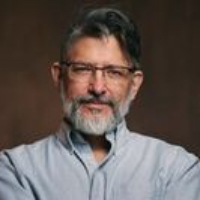
Dr. Paul Deutsch, LPC
Wisconsin · 23 years in practice
Dr. Paul Deutsch practices with an emphasis on Existential perspectives alongside evidence-informed therapies.
License and registration
- LPC, Wisconsin
- 3559-125 · expires February 2027
- NPI
- 1942369988 · national provider identifier
- Years in practice
- 23
- Languages
- English
Details are as listed on the therapist's public professional profile. You can check the license with the issuing state board, and the NPI with the national registry.
About Paul
Dr. Paul Deutsch practices with an emphasis on Existential perspectives alongside evidence-informed therapies. He draws on decades of experience to help people facing stress, anxiety, depression, trauma, and challenges tied to identity and relationships.
Paul aims to create a direct, humane space where clients can talk about what matters most to them and make practical changes. Paul is a Licensed Professional Counselor, LPC, with 23 years in clinical work. He completed a Doctor of Education in Counselor Education and Supervision at Viterbo University.
Background and approach
Much of his career has been in community-based, rural settings, and he has worked both on clinical teams and in solo practice. In sessions he mixes human-centered listening with tools from cognitive behavioral approaches and acceptance-oriented work. That means people can expect clear strategies for coping plus room to reflect on values, meaning, and life direction.
He also draws on skills from dialectical behavior approaches when emotions run high or self-harm is a concern. Paul brings practical life experience to therapy. He works as a personal trainer and strength coach, and uses that background when clients want help with routine, exercise, and nutrition as part of a wider plan.
He also offers business coaching to support career transitions and workplace challenges. He accepts clients from Wisconsin and internationally and conducts sessions by video, phone, live chat, or text messaging. To begin, visitors follow the site Start Therapy steps to complete a short questionnaire and schedule a session.
Focus areas and approaches
Everything Paul lists on their public professional profile, in their own terms.
- Stress, Anxiety
- Trauma and abuse
- Eating disorders
- Bipolar disorder
- Depression
- LGBT
- Relationship issues
- Family conflicts
- Grief
- Intimacy-related issues
- Parenting issues
- Anger management
- Self esteem
- Career difficulties
- Coping with life changes
- Coaching
- Compassion fatigue
Approaches Paul names
- Existential Therapy
- Acceptance and Commitment Therapy (ACT)
- Client-Centered Therapy
- Cognitive Behavioral Therapy (CBT)
- Dialectical Behavior Therapy (DBT)
- Mindfulness Therapy
- Narrative Therapy
- Solution-Focused Therapy
- Trauma-Focused Therapy
- Internal Family Systems
Naming an approach is not evidence of training in it. This directory copies what each therapist lists and does not check training records.
Online support
Therapeutic approaches and how they work online
Existential Therapy focuses on questions of meaning, choice, and purpose. In sessions people talk about what matters to them, confront uncertainty, and clarify values to guide decisions and change. Acceptance and Commitment Therapy, or ACT, helps people notice painful thoughts and feelings while committing to actions that match their values; it is useful for anxiety, depression, and coping with life changes. Client-Centered Therapy prioritizes an empathic, nonjudgmental relationship where the therapist listens deeply and follows the client's lead to build trust and insight.Finding the right approach is often part of the work. The therapist will collaborate with each person to choose methods that match their goals, strengths, and daily realities. That may mean trying different techniques over a few sessions and adjusting based on what helps most.
Online therapy offers flexible ways to connect. Video calls allow face-to-face conversation and visual cues, phone sessions work when bandwidth is limited or when a quieter audio check-in is preferred, and live chat or text messaging can support brief check-ins, tracking goals, or ongoing coaching between sessions. These options make it easier to fit therapy into work, family, and travel schedules while keeping therapeutic continuity across locations.
We will earn a commission if you sign up through our link, at no cost to you. It does not change what you pay or the order of the listings.
Questions people ask
What concerns does he help with?
He works with stress, anxiety, depression, trauma and abuse, eating concerns, bipolar disorder, grief, intimacy issues, parenting strain, relationship and family matters, and related challenges like anger and low self-esteem.
What is his therapeutic style like?
He combines an Existential outlook with client-centered listening and practical techniques from ACT, CBT, and DBT to offer both reflection and skills-based work.
How much clinical experience does he have?
He has 23 years of clinical experience and has worked in community-based rural settings as well as in solo practice and on clinical teams.
What are his credentials and location?
He is a Licensed Professional Counselor (LPC) based in Wisconsin and holds a Doctor of Education in Counselor Education and Supervision.
Which languages and client regions are supported?
Sessions are offered in English and he accepts international clients in addition to those in Wisconsin.
What session formats are available?
He offers video calls, phone sessions, live chat, and text-based messaging to fit different needs and schedules.
How is cost handled?
Cost varies with location and therapist availability; sessions use a subscription model that can be canceled at any time.
How do I begin working with him?
Use the Start Therapy button, complete a short matching questionnaire, and then schedule sessions according to the therapist's availability.
More therapists in Wisconsin
See allDr. Denise Petrelli-Holst
LPC
Compassionate counselor with a practical focus
- Stress, Anxiety
- Self esteem
- Career

Holly Gardenier
LPC
Compassionate counselor helping people find meaning and balance
- Addictions
- LGBT
- Trauma and abuse
Zach Bruns
LPC
Existential-informed counselor focused on practical change
- Stress, Anxiety
- Addictions
- Trauma and abuse
Larry Laehn
LPC
Experienced counselor focused on meaning and coping
- Stress, Anxiety
- Addictions
- Self esteem
Is this your profile?
Ask us to correct details or take the page down.
Contact us