
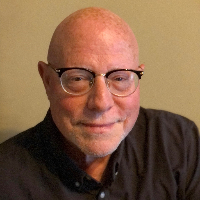
Scott Heider, LCSW
New York · 15 years in practice
Scott Heider is a licensed clinical social worker with 15 years of practice in New York.
License and registration
- LCSW, New York
- 089953 · expires July 2028
- NPI
- 1194253385 · national provider identifier
- Years in practice
- 15
- Languages
- English
Details are as listed on the therapist's public professional profile. You can check the license with the issuing state board, and the NPI with the national registry.
About Scott
Scott Heider is a licensed clinical social worker with 15 years of practice in New York. He helps people facing stress, anxiety, depression, grief, addiction, and major life changes. Scott aims to make therapy straightforward and practical for people who are tired of feeling stuck.
He focuses on helping clients build self-compassion, improve communication, and reconnect with purpose. Sessions are conversational and down-to-earth. Scott draws on several approaches to suit each person's needs rather than using a single method for everyone.
Background and approach
Scott has experience working with veterans and first responders, and he understands the challenges those roles can create. He also supports people dealing with caregiving strain, parenting pressures, chronic illness, and workplace stress. His background as an Army veteran and former firefighter informs a practical perspective on coping and resilience.
In sessions he listens first, then helps people set small, manageable goals. He mixes therapy styles to fit real-life problems - for example, skill-building for overwhelming emotions or values work to guide decision making. The focus is on what helps someone move forward between sessions.
Scott holds a New York LCSW, which means he is licensed as a clinical social worker in New York. He works with adults who want to change patterns, manage mood and stress, or sort through major transitions. The overall aim is steady, useful progress rather than quick fixes.
Focus areas and approaches
Everything Scott lists on their public professional profile, in their own terms.
- Stress, Anxiety
- Addictions
- Grief
- Depression
- Coping with life changes
- Relationship issues
- Family conflicts
- Trauma and abuse
- Intimacy-related issues
- Parenting issues
- Anger management
- Self esteem
- Career difficulties
- Bipolar disorder
- Coaching
- Compassion fatigue
- ADHD
- Abandonment
- Aging and geriatric issues
- Blended family issues
- Cancer
- Caregiver issues and stress
- Chronic pain, illness, and disability
- Co-morbidity
- Codependency
- Commitment issues
- Communication problems
- Control issues
- Coping with natural or human-caused disaster
- Dependent personality
- Divorce and separation
- Domestic violence
- Drug and alcohol addiction
- Emptiness
- Family problems
- Fatherhood issues
- First responder issues
- Forgiveness
- Guilt and shame
- Infidelity
- Isolation / loneliness
- Jealousy
- Life purpose
- Men's issues
- Midlife crisis
- Veteran and Armed Forces Issues
- Money and financial issues
- Mood disorders
- Panic disorder and panic attacks
- Postpartum depression
- Prejudice and discrimination
- Process addiction (porn, exercise, gambling)
- Seasonal Affective Disorder (SAD)
- Self-love
- Smoking / vaping cessation
- Workplace issues
- Young adult issues
Approaches Scott names
- Existential Therapy
- Acceptance and Commitment Therapy (ACT)
- Client-Centered Therapy
- Cognitive Behavioral Therapy (CBT)
- Dialectical Behavior Therapy (DBT)
- Emotionally-Focused Therapy (EFT)
- Mindfulness Therapy
- Motivational Interviewing
- Narrative Therapy
- Psychodynamic Therapy
- Solution-Focused Therapy
- Trauma-Focused Therapy
- Internal Family Systems
Naming an approach is not evidence of training in it. This directory copies what each therapist lists and does not check training records.
Online support
Therapeutic approaches that translate online
Existential therapy invites people to talk about meaning, choice, and what matters most in life. It can help when someone feels stuck, disconnected, or unsure about life direction. Acceptance and Commitment Therapy, or ACT, focuses on accepting hard feelings while taking action guided by personal values; it is useful for anxiety, depression, and coping with change. Client-centered therapy centers the person in the room - the therapist listens closely, reflects what they hear, and follows the client's pace to build trust and clarity.Finding the right approach is part of the work. Scott will listen to your goals, try methods that match your needs, and adjust based on what helps. That process is collaborative: you and the therapist decide together which techniques to keep using and when to try something different.
Online therapy makes this collaborative work more flexible. Video calls let you have more in-depth conversations and see facial cues. Phone sessions work well when bandwidth is limited or when you need a shorter check-in. Live chat and text-based messaging let you send notes between sessions, track progress, or check in on a tough day without scheduling a full call. These options help fit therapy into busy lives and different routines.
We will earn a commission if you sign up through our link, at no cost to you. It does not change what you pay or the order of the listings.
Questions people ask
What concerns does Scott address?
Scott works with stress, anxiety, depression, addictions, grief, trauma and many life-change issues listed in his specialties.
How would you describe his therapeutic style?
He uses a conversational, practical style that combines listening with goal-focused work to help people make small changes between sessions.
What is his background and experience?
He has 15 years of clinical experience and a background as an Army veteran and former firefighter, which shapes his practical approach to coping and resilience.
What credentials and location apply to this practice?
He holds an LCSW - Licensed Clinical Social Worker - and practices in New York.
Which languages are supported for sessions?
Sessions are offered in English.
What session formats are available?
Scott offers video calls, phone sessions, live chat, and text-based messaging to suit different needs and schedules.
How much do sessions cost?
Cost varies with location and therapist availability; sessions use a subscription model that can be canceled at any time.
How do I begin working with him?
Start by selecting the Start Therapy button, complete a short matching questionnaire, and then schedule according to therapist availability.
More therapists in New York
See allJohn Shafer
LCSW
Experienced existential therapist with practical tools
- Stress, Anxiety
- Relationship
- Family

Rita Simmonds
LMHC
Practical, meaning-focused support for life shifts
- Stress, Anxiety
- Trauma and abuse
- Grief

Prof. Michael Feldler
LMHC
Experienced counselor blending values and skills
- Stress, Anxiety
- Addictions
- Relationship
Dr. Sung Ho Kim
NY Psychoanalyst
Calm guidance for meaning and coping
- Stress, Anxiety
- Relationship
- Trauma and abuse

Is this your profile?
Ask us to correct details or take the page down.
Contact us