
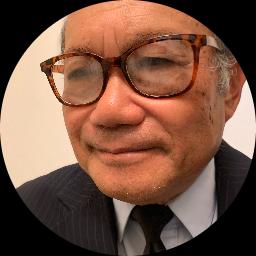
Timothy McCaskill, LMFT
California · 13 years in practice
Timothy McCaskill is a Licensed Marriage and Family Therapist (LMFT) in California with 13 years of clinical experience.
License and registration
- LMFT, California
- 151034 · expires October 2026
- NPI
- 1720616758 · national provider identifier
- Years in practice
- 13
- Languages
- English
Details are as listed on the therapist's public professional profile. You can check the license with the issuing state board, and the NPI with the national registry.
About Timothy
Timothy McCaskill is a Licensed Marriage and Family Therapist (LMFT) in California with 13 years of clinical experience. He helps people who struggle with stress, anxiety, relationship trouble, family conflict, anger, and low self-esteem. His approach respects each person's strengths and the practical steps they can use right away.
Taking the first step can feel hard, and he acknowledges that courage when someone reaches out. Timothy centers sessions on the client's own story.
Background and approach
He listens closely and helps people name what matters to them. Timothy blends client-centered listening with practical tools to manage thoughts and behaviors that get in the way. He aims to make sessions clear and doable rather than overwhelming.
He uses elements of existential work to help people find meaning and direction when they feel stuck. That approach looks at choices, values, and the big questions people bring to therapy. Cognitive Behavioral Therapy, or CBT, is also used to identify thought patterns and try new behaviors that reduce anxiety and improve mood.
In sessions Timothy often focuses on communication and problem solving for relationship and family concerns. He also addresses control issues, guilt, shame, loneliness, and workplace stress in straightforward ways. Money worries, men’s issues, and social anxiety are other areas he regularly supports.
People can expect a collaborative, respectful style that combines listening with concrete strategies. Timothy encourages small steps and tracks progress together. He aims to help people feel more capable of handling day-to-day challenges and making choices that fit their values.
Focus areas and approaches
Everything Timothy lists on their public professional profile, in their own terms.
- Stress, Anxiety
- Relationship issues
- Family conflicts
- Anger management
- Self esteem
- Communication problems
- Control issues
- Forgiveness
- Guilt and shame
- Isolation / loneliness
- Life purpose
- Men's issues
- Money and financial issues
- Mood disorders
- Narcissism
- Post-traumatic stress
- Self-love
- Social anxiety and phobia
- Workplace issues
Approaches Timothy names
Naming an approach is not evidence of training in it. This directory copies what each therapist lists and does not check training records.
Online support
How these approaches work in online sessions
Existential Therapy looks at questions of meaning, choice, and values, helping people clarify what matters and how they want to live. It can be useful when someone feels stuck, uncertain, or disconnected from purpose. Client-Centered Therapy emphasizes being heard and respected; the therapist offers empathic listening so the person can explore feelings and find their own solutions. Cognitive Behavioral Therapy, or CBT, focuses on identifying unhelpful thoughts and trying small behavior changes to reduce anxiety and improve mood.Finding the right approach is part of the work. The therapist will talk with each person about goals and preferences and combine methods that fit those needs. That collaborative process helps decide whether to focus more on meaning and values, on direct skills and thought work, or a mix of both.
Online formats include video calls, phone sessions, live chat, and text-based messaging, which offer flexibility for different schedules and situations. Video calls are similar to in-person conversation and work well for deeper sessions. Phone sessions can be a good option when bandwidth is limited or when someone prefers not to be on camera. Live chat and text-based messaging let people check in between sessions or use shorter, more frequent touchpoints. These options make it easier to keep therapy consistent while fitting into daily life.
We will earn a commission if you sign up through our link, at no cost to you. It does not change what you pay or the order of the listings.
Questions people ask
What issues does Timothy commonly address?
He works with stress, anxiety, relationship trouble, family conflict, anger, and self-esteem problems, plus related concerns like loneliness, communication problems, and workplace issues.
How would you describe his therapeutic style?
Sessions are collaborative and down-to-earth, combining careful listening with practical strategies to change unhelpful thoughts and behaviors.
What kind of experience does he bring?
He has 13 years of professional experience helping people with mood, relationship, and stress-related concerns.
What are his credentials and where is he located?
He is a Licensed Marriage and Family Therapist - LMFT - practicing in California.
Does he offer sessions in other languages or to international clients?
Sessions are offered in English, and he is not accepting international clients at this time.
What session formats are available?
He offers video calls, phone sessions, live chat, and text-based messaging to fit different needs and schedules.
How does billing and cost work?
Cost varies with location and therapist availability; sessions use a subscription that can be canceled at any time.
How do I begin working with him?
Click the Start Therapy button, complete a short matching questionnaire, and then schedule sessions based on the therapist's availability.
More therapists in California
See allGian Sarabia
LMFT
Calm, practical help for life and relationships
- Trauma and abuse
- Intimacy-related issues
- Bipolar

Sherri Kardell
LMFT
Calm guidance through life’s painful transitions
- Relationship
- Family
- Trauma and abuse

Stacey Sugar
MD, LCPC, LPCC
Existential-informed therapist focused on meaning
- Stress, Anxiety
- Relationship
- Family

Is this your profile?
Ask us to correct details or take the page down.
Contact us