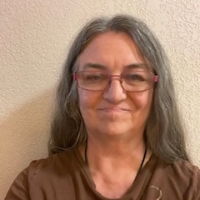
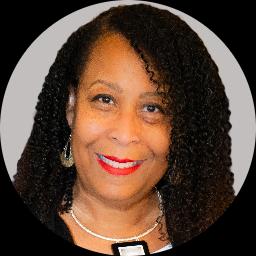
Daffney Tchassem
LCSW
Practical support for life's difficult moments
- Stress, Anxiety
- Relationship
- Family
Clinical social work directory
498 therapists in this directory list Licensed Clinical Social Worker (LCSW). Registration details are shown as each therapist lists them; the body's own public register is the place to check a number.
A Licensed Clinical Social Worker (LCSW) is a clinician who has completed graduate social work education and supervised clinical experience to provide mental health services. Browse the verified LCSW therapists below to review credentials, specialties, and therapeutic approaches that align with your needs.
LCSW
Practical support for life's difficult moments
LCSW, CSW
Practical support for stress, meaning, and change
LCSW
Compassionate therapist blending meaning with practical skills
LCSW
Experienced LCSW guiding practical, meaning-centered therapy
LCSW
Existential-minded LCSW focused on meaning
LCSW
Experienced existential therapist with practical tools
Experienced social worker blending reflection and skills
LCSW
Compassionate, practical therapy focused on meaning
LCSW
Practical therapy that honors values and choice
LCSW
Therapy focused on meaning and practical change
LCSW
Compassionate, practical therapy focused on meaning and relationships
LCSW, CSW
Therapist grounded in social work and practical care
LCSW-C, LCSW
Compassionate generalist helping people move forward
LCSW
Compassionate, practical therapy for life changes
LCSW
Compassionate, practical therapy for life’s hard moments
LCSW
Existential-minded clinician focused on meaning and change
LCSW, CSW
Experienced LCSW blending talk and somatic work
LCSW
Experienced existential therapist focused on meaning
LCSW
Compassionate, practical therapy for life transitions
LCSW
Experienced LCSW helping people find meaning and change
LCSW, CSW
Experienced LCSW focused on life transitions
LCSW
Compassionate, practical therapy for everyday struggle
LCSW
Practical, respectful counseling for life’s hard moments
LISW-CP, LCSW, CSW
Compassionate, practical social work support
LCSW
Existential-informed therapist focused on healing
LCSW
Experienced LCSW focused on practical meaning and change
LCSW
Reflective, practical therapy for life’s heavy moments
LCSW, CSW
Seasoned LCSW focusing on practical change
LICSW, LCSW, CSW
Meaning-focused therapy with practical tools
LICSW, LCSW
Insightful, direct support for life changes
LCSW
Experienced LCSW focused on practical therapy
LCSW
Compassionate therapist for mood and relationship challenges
LCSW
Empowering practical therapy for life changes
LCSW
Compassionate, practical therapy for life challenges
LCSW, CSW
Supportive therapist for anxiety and life transitions
LCSW
Calm, relational therapy for life changes
LCSW
Strength-focused therapist for stress and addiction
LCSW
Therapist focused on meaning and practical change
MD, LCSW-C, LCSW
Experienced clinician focusing on meaning and relationship patterns
LCSW, LISW
Compassionate, experienced social worker focused on meaning
Some links on this page are partner links. We will earn a commission if you sign up through one, at no cost to you. It does not change what you pay or the order of the listings.
When you see the LCSW designation it signals a particular path of education and supervised clinical practice. Most LCSWs earn a Master of Social Work degree, which includes coursework in human behavior, social systems, clinical practice, ethics, and research. After graduate school, prospective LCSWs complete a period of supervised clinical experience that meets state requirements and then pass a clinical licensure exam. The result is a license that authorizes clinical practice and the provision of psychotherapy in the state or states where the clinician is licensed.
This pathway emphasizes both individual clinical skills and a broader understanding of social context. Training and supervised hours are designed to prepare clinicians to assess mental health concerns, apply clinical interventions, and work with systems such as families, schools, workplaces, and community resources. Because licensing standards vary by state, specific educational and supervision requirements can differ. Still, the LCSW credential consistently signals a combination of graduate-level education and documented clinical supervision focused on therapeutic work.
As you consider different license types, it helps to understand common distinctions. LCSWs generally provide psychotherapy, develop treatment plans, and offer case management and advocacy services that account for social and environmental factors. They often help clients navigate community resources, coordinate care across providers, and address stressors related to housing, employment, and family systems. In many settings LCSWs are authorized to diagnose mental health conditions and to provide ongoing therapeutic care.
Other license types have different emphases. Psychologists with doctoral degrees often focus on psychological testing and assessment in addition to therapy. Psychiatrists hold medical degrees and can prescribe medication as part of treatment. Marriage and family therapists concentrate on relational dynamics and systemic interventions for couples and families. Licensed professional counselors often have training similar to LCSWs in psychotherapy but may have a different educational background and a stronger focus on individual counseling techniques. Understanding these general differences can help you choose a clinician whose training and professional focus align with your goals.
LCSW therapists work across a wide range of concerns and populations. You will find many who focus on mood disorders such as depression and anxiety, trauma-related distress, grief and loss, and adjustment challenges related to life transitions. Others concentrate on work with children and adolescents, family systems, relationship issues, substance-related concerns, or chronic illness. Because social work places emphasis on systems, many LCSWs also work in areas that require coordinating services across agencies, such as child welfare, school-based mental health, medical social work, and community outreach.
The approaches LCSWs use vary. Some therapists list cognitive behavioral therapy among their approaches, others emphasize psychodynamic work, narrative therapy, or mindfulness-informed practice. You may also find clinicians who list family systems, solution-focused methods, or approaches oriented to trauma recovery. When reviewing profiles, look for descriptions that explain how a clinician frames problems and supports change, for example by addressing both individual coping strategies and the environmental factors that influence wellbeing.
Verifying license status is an important step when you are evaluating clinicians. Start with the licensing board in the state where the therapist practices. Most state boards provide an online license lookup where you can confirm a license number, see the license status, and view expiration dates. If a license number appears on a profile, you can enter it into the board database to confirm that it matches the clinician's name and current status.
Beyond the licensure lookup, you can ask for the name of the graduate program and the year of graduation to confirm the clinician holds a Master of Social Work. Many boards also publish disciplinary records and sanctions, which you can review if you want more information about professional history. Professional associations and employer directories may list credentials as well, but the licensing board is the authoritative source for current licensure information. If you have questions about how to interpret a record, the state board's website typically includes guidance about terms and processes.
Choosing an LCSW can offer particular advantages depending on your needs. If you want a clinician who integrates attention to social factors into treatment, such as family roles, work stress, or community resources, an LCSW's training often centers those concerns. LCSWs frequently bring experience coordinating care across systems, which can be helpful if your needs intersect with schools, medical providers, or social services. Many LCSWs also have experience with crisis intervention and advocacy, which can be valuable when navigating complex life circumstances.
When you are searching for a therapist, prioritize clarity about what you hope to achieve in therapy and the kinds of support that matter most to you. Review therapist profiles to note specialties, populations served, languages spoken, and descriptions of therapeutic approach. If a clinician lists specific approaches, remember that this indicates what they use in practice rather than a formal claim about training credentials in that modality. Pay attention to whether a therapist mentions experience with issues similar to yours, such as trauma, relationship distress, or work-related challenges.
Consider practical matters too, such as whether a clinician mentions working with individuals across the lifespan, families, or specific age groups, and whether they describe offering short-term, goal-focused work or longer-term therapy. Insurance participation and fee structure are important factors for many people, so look for information about payment if it is available. Finally, trust your sense of rapport. Many therapists offer an initial conversation or profile details that help you gauge whether their style and focus feel like a good match. When you reach out, you can ask about how they typically structure sessions, how they approach goals, and how they involve family or systems when appropriate.
Finding the right LCSW is a process that combines practical verification with attention to clinical fit. With clear priorities and a careful review of credentials and approach, you can identify clinicians whose background and therapeutic orientation align with the support you want. Use the directory filters to narrow options, read profile narratives to understand how clinicians describe their work, and rely on your judgement about who feels most likely to help you progress toward your goals.