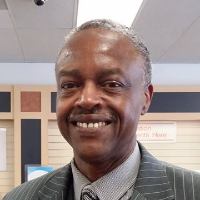
Willie Whited, LCSW, CSW
Georgia · 31 years in practice
Willie Whited is a Licensed Clinical Social Worker (LCSW) based in Georgia with more than 31 years in mental health care.
License and registration
- LCSW, Georgia
- CSW002541 · expires September 2026
- NPI
- 1568493906 · national provider identifier
- Years in practice
- 31
- Languages
- English
Details are as listed on the therapist's public professional profile. You can check the license with the issuing state board, and the NPI with the national registry.
About Willie
Willie Whited is a Licensed Clinical Social Worker (LCSW) based in Georgia with more than 31 years in mental health care. He holds a master’s degree in Guidance and Counseling and has spent decades helping people navigate difficult life moments. His work has included recognition for efforts with co-occurring disorders and community leadership training at Morehouse School of Medicine.
He has long experience with serious mental illnesses and personality disorders, and with people facing both mental health and substance use challenges at the same time.
Background and approach
He also spent about ten years working with children and adolescents in community and facility settings. Willie adapts his work to each person rather than following a rigid script. In sessions he uses practical, person-centered methods.
Cognitive Behavioral Therapy, Acceptance and Commitment Therapy, attachment-focused ideas, and existential thinking inform his work. The goal is to help people notice what’s getting in the way and find steps that make life feel more manageable. Willie pays attention to motivations and values when setting goals.
He talks about change as a process that can be uncomfortable but also full of opportunity. He helps people handle stress, anxiety, addictions, relationship and intimacy concerns, bipolar disorder, depression, grief, parenting strain, sleep problems, anger, low self-esteem, ADHD, and related challenges. He describes therapy as a collaborative journey toward more meaningful choices and clearer purpose.
To get started clients follow a brief matching process and schedule sessions that fit their timing.
Focus areas and approaches
Everything Willie lists on their public professional profile, in their own terms.
- Stress, Anxiety
- Addictions
- Trauma and abuse
- Bipolar disorder
- Depression
- Relationship issues
- Family conflicts
- Grief
- Intimacy-related issues
- Sleeping disorders
- Parenting issues
- Anger management
- Self esteem
- Coping with life changes
- ADHD
- Abandonment
- Attachment issues
- Co-morbidity
- Codependency
- Commitment issues
- Dependent personality
- Drug and alcohol addiction
- Emptiness
- Forgiveness
- Guilt and shame
- Impulsivity
- Infidelity
- Isolation / loneliness
- Jealousy
- Life purpose
- Men's issues
- Veteran and Armed Forces Issues
- Mood disorders
- Multicultural concerns
- Obsessions, compulsions, and OCD
- Panic disorder and panic attacks
- Paranoia
- Post-traumatic stress
- Self-harm
- Self-love
- Social anxiety and phobia
- Somatization
- Young adult issues
Approaches Willie names
- Existential Therapy
- Acceptance and Commitment Therapy (ACT)
- Attachment-Based Therapy
- Client-Centered Therapy
- Cognitive Behavioral Therapy (CBT)
- Dialectical Behavior Therapy (DBT)
- Emotionally-Focused Therapy (EFT)
- Mindfulness Therapy
- Motivational Interviewing
- Psychodynamic Therapy
- Solution-Focused Therapy
- Trauma-Focused Therapy
Naming an approach is not evidence of training in it. This directory copies what each therapist lists and does not check training records.
Online support
Therapeutic approaches for online work
Willie often draws on Acceptance and Commitment Therapy to help people notice painful thoughts and feelings without getting stuck, and to clarify values that guide workable actions. ACT can be a help when people feel overwhelmed by anxiety, depression, or life transitions.He also uses Attachment-Based ideas to look at how early relationships shape present patterns. This can be useful for people struggling with intimacy, abandonment, jealousy, or codependency. Client-Centered methods shape a supportive, respectful space where the person's goals guide each session.
Finding the right approach is a collaborative process. He will work with each person to pick methods that match their goals, needs, and preferences, and adjust as progress unfolds. Expect a conversation about what is most helpful rather than a fixed plan from the start.
Online sessions are offered by video calls, phone sessions, live chat, or text-based messaging to give flexibility. Video calls let people use visual cues, phone sessions can work when bandwidth is low, live chat or messaging can suit quick check-ins or times when typing feels easier. These options make it simpler to fit therapy into work, caregiving, or busy days while keeping the focus on practical steps and steady progress.
We will earn a commission if you sign up through our link, at no cost to you. It does not change what you pay or the order of the listings.
Questions people ask
What concerns does Willie address in sessions?
He helps with stress, anxiety, addictions, trauma, bipolar disorder, depression, relationship and intimacy issues, grief, sleep problems, parenting strain, anger, low self-esteem, ADHD, and related areas such as abandonment, codependency, and life purpose.
How would you describe his therapy style?
He uses a practical, person-centered style that adapts to each person's motivations and needs, drawing from cognitive, attachment, acceptance, and existential ideas as appropriate.
What is his professional background?
Willie has worked in mental health since 1980, with more than 31 years of experience across clinical settings and recognition for work with co-occurring disorders and community health leadership training.
What credentials and location are listed for this therapist?
He is listed as LCSW and CSW and practices in Georgia.
Which languages are supported for sessions?
Sessions are offered in English.
What session formats are available online?
Sessions can take place via video calls, phone sessions, live chat, or text-based messaging to match different needs and schedules.
How is cost handled for sessions?
Cost varies with location and therapist availability; sessions use a subscription model that can be canceled at any time.
What are the steps to begin working together?
Start by selecting the Start Therapy button, complete a short matching questionnaire, and then schedule sessions according to the therapist's availability.
More therapists in Georgia
See allGarrick Lawton
LPC
Practical support for stress, trauma, and life changes
- Stress, Anxiety
- Addictions
- Trauma and abuse

Goziam Ogwu
LPC
Practical support for stress and relationship struggles
- Stress, Anxiety
- Relationship
- Family


Is this your profile?
Ask us to correct details or take the page down.
Contact us