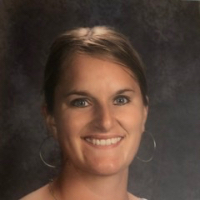
Brooke Bodar, LPC
Wyoming · 3 years in practice
Brooke Bodar, LPC, focuses on helping people who are feeling overwhelmed, stuck, or unsure how to move forward.
License and registration
- LPC, Wyoming
- LPC-1722 · expires May 2026
- NPI
- 1669857801 · national provider identifier
- Years in practice
- 3
- Languages
- English
Details are as listed on the therapist's public professional profile. You can check the license with the issuing state board, and the NPI with the national registry.
About Brooke
Brooke Bodar, LPC, focuses on helping people who are feeling overwhelmed, stuck, or unsure how to move forward. She listens for what matters most to each person and helps them notice choices they can make. Her style is warm and direct, aimed at making conversations practical and understandable for busy parents and adults.
Brooke grew up in a small Wyoming town and studied Communication Disorders before completing a Master of Science in Mental Health Counseling.
Background and approach
She has worked in community mental health and as a school counselor, and she continues to see clients in independent practice on a part-time basis. She brings three years of counseling experience to her work and draws on that background when supporting people through life changes. In sessions she focuses on building a real connection based on empathy, acceptance, and honesty.
That connection is the starting point for noticing patterns, testing new ways of responding, and trying small changes that add up. Brooke uses approaches such as client-centered work, cognitive behavioral ideas, and existential themes to help people find clearer direction.
She helps with everyday problems like stress, anxiety, and parenting strain as well as more complex issues such as trauma, grief, mood disorders, and addiction. She also pays attention to attachment concerns, life purpose, career stresses, and challenges that come with young adulthood.
Outside of work she enjoys horses, time in the mountains, and family life with her husband, child, dog, and horses. Brooke aims for therapy to be collaborative, straightforward, and focused on what matters most to each person.
Focus areas and approaches
Everything Brooke lists on their public professional profile, in their own terms.
- Stress, Anxiety
- Depression
- Addictions
- Relationship issues
- Family conflicts
- Trauma and abuse
- Grief
- Parenting issues
- Anger management
- Self esteem
- Career difficulties
- Bipolar disorder
- Coping with life changes
- Compassion fatigue
- ADHD
- Attachment issues
- Family problems
- Forgiveness
- Life purpose
- Money and financial issues
- Mood disorders
- Postpartum depression
- Post-traumatic stress
- Self-love
- Workplace issues
- Young adult issues
Approaches Brooke names
- Existential Therapy
- Client-Centered Therapy
- Cognitive Behavioral Therapy (CBT)
- Emotionally-Focused Therapy (EFT)
- Solution-Focused Therapy
- Trauma-Focused Therapy
Naming an approach is not evidence of training in it. This directory copies what each therapist lists and does not check training records.
Online support
Approaches that guide online sessions
Brooke commonly draws on existential ideas, client-centered listening, and cognitive behavioral techniques in online work. Existential approaches help people talk about meaning, choice, and the big questions that come up during life transitions, which can suit people facing identity or purpose concerns. Client-centered therapy focuses on empathetic listening and acceptance so clients feel heard while they consider new options and steps. Cognitive behavioral therapy offers practical tools to identify unhelpful thoughts and test different behaviors to reduce anxiety or low mood.Finding the right approach is a collaborative process. Brooke will work with each person to decide which ideas and techniques fit their goals, values, and day-to-day needs. Sessions may combine elements from different approaches so the work stays practical and relevant to what the person wants to change.
Online therapy offers flexibility through video calls, phone sessions, live chat, or text-based messaging. Video sessions allow more face-to-face interaction and visual cues, while phone calls can be easier when bandwidth is limited or a quieter check-in is needed. Live chat and text messaging are useful for brief updates, journaling between sessions, or when writing feels easier than speaking. These options make it simpler to fit therapy into busy schedules and to keep continuity during life transitions.
We will earn a commission if you sign up through our link, at no cost to you. It does not change what you pay or the order of the listings.
Questions people ask
What concerns does Brooke commonly address?
She helps people with stress, anxiety, depression, addictions, trauma and abuse, grief, parenting, anger, self-esteem, and career or life changes.
What is her therapeutic approach like?
Brooke relies on a collaborative, person-focused style that includes existential perspectives, client-centered listening, and cognitive behavioral techniques to help clients identify choices and try practical changes.
How much clinical experience does she have?
She has three years of experience working in community mental health and school settings, and she continues part-time independent practice work.
What are her credentials and where is she located?
Brooke holds the LPC credential and practices in Wyoming under a Wyoming LPC license.
Which languages are supported for sessions?
Sessions are offered in English.
Can people outside the U.S. work with her?
She does not accept international clients at this time.
What formats are available for sessions?
Sessions can be conducted by video calls, phone sessions, live chat, or text-based messaging.
How are fees and scheduling handled?
Costs vary with location and therapist availability and are billed through a subscription that can be canceled at any time; to begin you select Start Therapy, complete a short questionnaire, and schedule sessions.
More therapists in Wyoming
See all


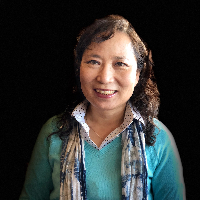
Myoung Shin Hilson
LPC
A practical counselor for life changes
- Stress, Anxiety
- Relationship
- Trauma and abuse
Is this your profile?
Ask us to correct details or take the page down.
Contact us