Clinical social work directory
Therapists in Wyoming
12 therapists in this directory hold a licence issued in Wyoming and name existential therapy among their approaches. Sessions are online; a US therapist can usually only see people in a state where they hold a licence, so check the credentials panel on each profile.
Welcome to our directory of online therapists for Wyoming residents. All therapists listed here are licensed and offer remote sessions that can be accessed across the state. Explore the listings to find approaches, focus areas, and languages that match what you need.



Brooke Bodar
LPC
Compassionate, down-to-earth counseling for life challenges
- Stress, Anxiety
- Depression
- Addictions

Myoung Shin Hilson
LPC
A practical counselor for life changes
- Stress, Anxiety
- Relationship
- Trauma and abuse

Judith Coburn
LPC
Thoughtful counseling for life transitions and meaning
- Stress, Anxiety
- Relationship
- Grief
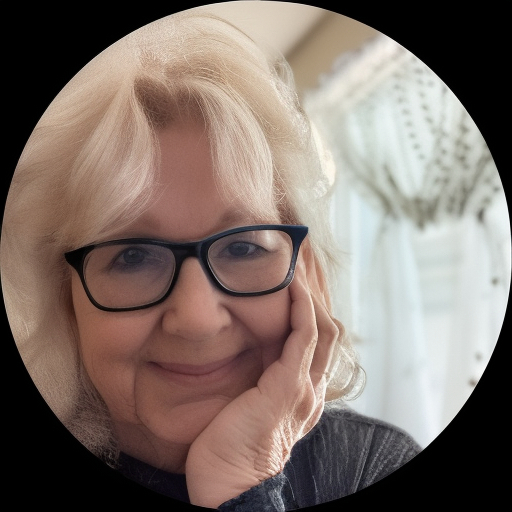
Lisa Tuthill
LPC
Compassionate counselor focused on meaning and skills
- Trauma and abuse
- Self esteem
- Coping with life changes


Alicia Teeter
LCPC, LPC
Compassionate counselor helping people find meaning
- Stress, Anxiety
- Trauma and abuse
- Self esteem

Phyllis Lambert
LPC
Compassionate counselor focused on practical change
- Stress, Anxiety
- Addictions
- Relationship


Seth Johnson
LCSW
Existential-informed therapist focused on meaning and change
- Trauma and abuse
- Grief
- Anger

Some links on this page are partner links. We will earn a commission if you sign up through one, at no cost to you. It does not change what you pay or the order of the listings.
Online therapy in Wyoming - an overview
If you live in Wyoming, online therapy has become a practical option for many people seeking emotional support and counseling. Teletherapy brings licensed clinicians into your home or to wherever you have an internet connection, which is helpful across a state with wide distances between towns. You can expect to find therapists who work with individuals, couples, families, and adolescents and who describe a variety of approaches on their profiles. Some therapists list cognitive behavioral techniques, some note psychodynamic perspectives, and others describe humanistic, existential, or mindfulness-influenced work. There are also therapists who list EMDR among their approaches and therapists who note strengths-based or trauma-informed frameworks. The directory emphasizes profiles so you can learn about the focus areas and modalities each clinician highlights without making assumptions about formal certifications beyond the fact that they are licensed.
Because practice rules vary by state, some clinicians will note the regions or states where they are licensed to provide services. That helps you understand whether a particular clinician is licensed to practice with residents in Wyoming. Profiles typically include information on the clinician's focus areas, the populations they work with, languages spoken, and the kinds of sessions they offer. This overview can help you narrow your search before you reach out to someone you want to learn more about.
Benefits of online therapy for Wyoming residents
Online therapy reduces some of the logistical barriers you may face living in Wyoming. You may have fewer therapists available in your local town, and travel times to in-person appointments can be long. With remote sessions you can connect from home, a parked car between activities, or another quiet, comfortable environment. That flexibility can make it easier to maintain consistency in your care, which many people find valuable when juggling work, family, or school responsibilities.
Another benefit is access to a wider range of approaches and specialties. When you are not limited to clinicians in your immediate area, you have more opportunity to find someone who lists experience addressing the specific concerns you bring, or who notes work with particular populations such as adolescents, older adults, or members of a particular cultural or identity community. You can also find clinicians who offer sessions in languages other than English. Finally, online sessions can reduce the time and cost associated with travel and make it easier to schedule sessions around your daily life.
Common concerns online therapists in Wyoming help with
Therapists who offer remote services in Wyoming describe support for a wide range of concerns. Many work with people facing anxiety and depression, helping clients develop coping strategies, manage overwhelming emotions, and identify patterns that interfere with daily functioning. Others specialize in relationship and family concerns, supporting couples and family members as they work through communication problems, life transitions, and conflicts.
There are clinicians who list trauma-informed approaches and those who indicate experience supporting people after difficult life events such as grief or loss. Some profiles highlight work with identity-related concerns, including questions about sexuality, gender, cultural identity, and intersectional experiences. You will also find therapists who note experience with stress related to work or school, parenting challenges, chronic health conditions, and substance use concerns. When a therapist lists a modality such as EMDR, solution-focused strategies, or mindfulness among their approaches, that is an indication of what they discuss on their profile rather than a statement about specific credentials in that method.
Verifying licenses and getting started
How to verify a therapist's license in Wyoming
Before you begin sessions, it is reasonable to confirm that the clinician is licensed to practice in the jurisdiction where you are located. Most states maintain an online license verification tool on the licensing board website where you can search by a clinician's name or license number. In that record you can typically see the current status of the license, the license type such as psychologist, clinical social worker, marriage and family therapist, or professional counselor, and whether there have been any disciplinary actions. If the public record is unclear, you can contact the licensing board by phone or email to ask for clarification. Verifying a license is a practical step that helps you feel more informed about who you are working with.
How to get started with an online therapist
Starting with an online therapist often begins with exploring profiles and narrowing your list to clinicians whose focus areas, approaches, and languages fit your needs. Once you identify a few profiles that appeal to you, reach out using the contact method provided on the profile. Many clinicians provide a brief description of what an initial session covers, including administrative details, typical session length, and their approach to setting goals. When you first connect, it is helpful to ask about the session platform they use, what to expect in terms of paperwork or informed consent, and how they handle emergencies or crisis situations since these topics differ by clinician and by practice setting. You should also ask about payment policies, including whether they accept insurance, offer sliding scale fees, or provide receipts you can submit to an insurer. Preparing a short list of goals or questions for your first session can make that initial conversation more focused and productive.
Choosing the right online therapist for you
Choosing a therapist is both practical and personal. Start by thinking about what matters most to you in therapy - whether you want someone who describes a particular theoretical approach, someone who works with your age group, or someone who notes experience with the issues you are facing. Pay attention to language on profiles that describes the clinician's philosophy and how they engage with clients. Some clinicians emphasize collaborative goal-setting and skill-building, while others describe more exploratory or insight-oriented work. You might also prioritize logistical factors such as session length, language, and whether the clinician mentions working with people in similar life circumstances to yours.
On a human level, notice how the clinician communicates in their profile and in early messages. Do their words feel respectful of your identity and concerns? Do they describe an approach that aligns with your values? It is okay to try more than one clinician before you find someone you connect with. If you do speak briefly with a clinician before committing to ongoing sessions, you can ask about their experience working with issues like yours and about how they typically structure sessions. Trust your instincts about whether the interaction felt like a good fit, and remember that therapy is a collaborative process. Clear communication about your goals and expectations can help ensure you and your clinician are working toward the same outcomes.
Finally, think about practicalities. Confirm that you have a reliable internet connection and a device with a camera and microphone if you plan to use video. Choose a quiet, comfortable environment where you can speak openly during sessions. If your work or family schedule makes daytime appointments difficult, look for clinicians whose hours align with your availability, and consider whether evening or weekend sessions are offered. Keep in mind that clinicians may have different policies around payment, cancellations, and session frequency; those are reasonable topics to address early in the process so you can make an informed choice.
Preparing for sessions and what to expect next
Before your first online session, you may be asked to complete intake forms that cover your contact information, mental health history, and consent for telehealth services. It is helpful to gather any notes about current medications, major life events you want to discuss, and a brief outline of what you hope to achieve in therapy. During initial sessions you and your therapist will typically discuss goals, boundaries, crisis planning, and how progress will be measured. You should expect the clinician to explain how they manage information-sharing boundaries and privacy within the limits of relevant laws, and to discuss how to proceed if urgent needs arise between sessions. As you continue, you and your therapist will refine goals and discuss the approaches that best support the work you want to do.
Finding the right online therapist in Wyoming is a personal process that takes time and reflection. Use profiles to learn about therapists' focus areas, approaches, and languages, verify licensure through the appropriate state resources, and prepare questions that matter to you. With clear communication and a thoughtful approach, you can connect with a clinician who aligns with your needs and helps you move forward on the concerns you brought to therapy.