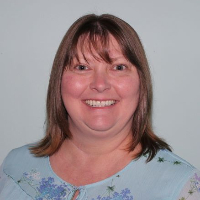
Carol Tallant, LMHC, LPC
Georgia · 15 years in practice
Carol Tallant is a licensed mental health counselor and licensed professional counselor who helps people facing stress, anxiety, trauma, grief, depression, relationship and intimacy struggles, and questions about sexuality and identity.
License and registration
- LPC, Georgia
- LPC010449 · expires September 2026
- LMHC, Florida
- MH9803 · expires March 2027
- NPI
- 1285892802 · national provider identifier
- Years in practice
- 15
- Languages
- English
Details are as listed on the therapist's public professional profile. You can check the license with the issuing state board, and the NPI with the national registry.
About Carol
Carol Tallant is a licensed mental health counselor and licensed professional counselor who helps people facing stress, anxiety, trauma, grief, depression, relationship and intimacy struggles, and questions about sexuality and identity. She often works with people coping with addiction, parenting strain, career challenges, or major life changes.
Carol aims to create a space where clients feel heard and can begin to make sense of painful memories and strong emotions. Her approach is straightforward and people-focused.
Background and approach
She leans on Existential therapy to look at meaning, choice, and values. She also uses client-centered methods to follow what each person brings, and practical tools from cognitive behavioral therapy and dialectical behavior therapy to manage intense feelings and unhelpful patterns. Carol draws on 15 years of work supporting survivors of sexual trauma and people with childhood abuse histories.
That background informs how she recognizes and responds to symptoms like flashbacks, dissociation, and startle reactions. She pays attention to attachment, abandonment, and family-of-origin patterns when relevant. Sessions involve listening, asking clear questions, and offering strategies that can be practiced between meetings.
Carol describes therapy as a collaborative process where goals are set together and adjusted over time. She respects each person’s pace while helping them build skills for emotion regulation and healthier communication. Carol is licensed as an LMHC and as an LPC and practices in Georgia.
Sessions are offered in English and include a mix of live and messaging formats to fit different needs and schedules.
Focus areas and approaches
Everything Carol lists on their public professional profile, in their own terms.
- Stress, Anxiety
- LGBT
- Trauma and abuse
- Grief
- Depression
- Addictions
- Relationship issues
- Family conflicts
- Intimacy-related issues
- Parenting issues
- Anger management
- Self esteem
- Career difficulties
- Coping with life changes
- Compassion fatigue
- Abandonment
- Attachment issues
- Codependency
- Communication problems
- Dissociation
- Family of origin issues
- Family problems
- Guilt and shame
- Life purpose
- Mood disorders
- Post-traumatic stress
- Self-harm
- Sexual assault and abuse
- Sexuality
- Women's issues
Approaches Carol names
- Existential Therapy
- Client-Centered Therapy
- Cognitive Behavioral Therapy (CBT)
- Dialectical Behavior Therapy (DBT)
- Hypnotherapy
- Imago Relationship Therapy
- Jungian Therapy
- Mindfulness Therapy
- Motivational Interviewing
- Narrative Therapy
- Psychodynamic Therapy
- Trauma-Focused Therapy
Naming an approach is not evidence of training in it. This directory copies what each therapist lists and does not check training records.
Online support
Approaches for online healing and practical change
Existential therapy examines meaning, choice, and values. It helps people who feel lost, stuck, or disconnected from what matters to them by focusing on personal responsibility and life direction. Client-centered therapy centers the person's experience and emphasizes listening, empathy, and acceptance to help people feel understood and more able to explore difficult feelings. Cognitive behavioral therapy, or CBT, focuses on identifying thought patterns and behavior habits that keep problems going and teaches practical skills to change them and reduce symptoms such as anxiety or low mood.Finding the right mix of approaches is part of the work. The therapist will collaborate with each person to decide which methods fit their needs, goals, and preferences. That way sessions can blend meaning-focused conversation, supportive listening, and skill-building exercises as needed.
Online therapy offers several practical benefits. Video calls make it possible to have face-to-face conversations without travel. Phone sessions can be a good option when bandwidth is low or when a simpler check-in is needed. Live chat and text-based messaging let people communicate between sessions, share quick updates, or have shorter check-ins that fit a busy day. These options provide flexibility so therapy can fit into real life while using the therapeutic approaches that suit each person.
We will earn a commission if you sign up through our link, at no cost to you. It does not change what you pay or the order of the listings.
Questions people ask
What concerns does Carol specialize in?
She supports people with stress, anxiety, trauma and abuse, grief, depression, addictions, relationship and intimacy issues, parenting strain, and questions about sexuality and women's issues.
How would you describe her therapeutic style?
Her style is collaborative and direct. She listens closely, helps people name what they feel, and offers concrete strategies to try outside sessions.
What relevant experience does she bring?
She has 15 years of clinical experience and has worked extensively with survivors of sexual trauma and those with childhood abuse histories.
What credentials and location apply?
She holds LMHC and LPC credentials and practices in Georgia.
In which languages are sessions offered?
Sessions are offered in English and international clients are not accepted.
What session formats are available?
She meets with clients via video calls, phone sessions, live chat, and text-based messaging.
How does cost and billing work?
Cost varies by location and therapist availability; sessions use a subscription that can be canceled at any time.
How do I begin working with her?
Start by selecting the Start Therapy button, complete the short matching questionnaire, and schedule according to therapist availability.
More therapists in Georgia
See allGarrick Lawton
LPC
Practical support for stress, trauma, and life changes
- Stress, Anxiety
- Addictions
- Trauma and abuse

Goziam Ogwu
LPC
Practical support for stress and relationship struggles
- Stress, Anxiety
- Relationship
- Family

Is this your profile?
Ask us to correct details or take the page down.
Contact us