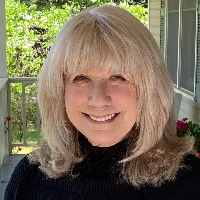
Garrick Lawton
LPC
Practical support for stress, trauma, and life changes
- Stress, Anxiety
- Addictions
- Trauma and abuse
Clinical social work directory
94 therapists in this directory hold a licence issued in Georgia and name existential therapy among their approaches. Sessions are online; a US therapist can usually only see people in a state where they hold a licence, so check the credentials panel on each profile.
Welcome to the Georgia online therapy listings at Existential Therapists. All therapists shown on this page are licensed to practice in Georgia; browse profiles to learn about approaches, focus areas, credentials, and languages.
LPC
Practical support for stress, trauma, and life changes
LPC
Practical support for stress and relationship struggles
LPC
Practical, values-focused therapy for everyday struggles
LPC
Practical, relationship-centered counseling in Georgia
LCSW, CSW
Experienced LCSW blending talk and somatic work
LPC
Practical, meaning-focused therapy with an approachable style
LPC
Compassionate counselor guiding practical change
LCSW, CSW
Seasoned LCSW focusing on practical change
LICSW, LCSW, CSW
Meaning-focused therapy with practical tools
LPC
Hopeful, practical counseling for life’s turning points
LPC
Compassionate counselor for relationship and identity concerns
LPC
Existential-informed counselor focusing on practical change
LPC
Support for adults seeking clearer choices
LPC
Insightful counselor focused on meaning and action
LPC
Helping people find meaning and healthier relationships
LCSW, CSW
Understanding, steady guidance for life's hard moments
LPC
Change-focused counselor with practical tools
LPC
Compassionate, practical support for life’s hard changes
LPC
Practical, collaborative counseling focused on change
LPC
Compassionate counselor for life transitions
LPC
Compassionate, practical counseling for life changes
LPC
Compassionate counselor focusing on practical change
LPC
Practical support for meaning and daily struggle
LMHC, LPC
Experienced counselor focused on meaning and healing
LPC
Compassionate counselor focused on practical change
LPC
Practical, collaborative counseling for life changes
LMFT
Relationship-focused LMFT with pastoral experience
LPC
Compassionate counselor guiding practical growth
LPC
Insightful counselor focused on meaning and change
LPC
Practical therapy for life transitions and stress relief
LCSW, CSW
Warm bilingual therapist focused on life challenges
LPC
Hopeful, practical therapy focused on meaningful change
LPC
Practical, thoughtful counseling for life’s challenges
LPC
Compassionate counselor focused on practical growth
LCSW, CSW, LMSW
Compassionate, practical therapy focused on meaning
LPC
Compassionate, practical support for life changes
LPC
Compassionate counselor for life’s hard moments
LMFT
Practical, meaning-focused therapy for real-life struggles
LPC
Calm, practical support for grief and anxiety
LCSW, CSW
Existential-guided, practical therapy for life changes
Some links on this page are partner links. We will earn a commission if you sign up through one, at no cost to you. It does not change what you pay or the order of the listings.
Online therapy has become a well-established option for people across Georgia, enabling access to mental health care from both urban centers and rural communities. Rules governing remote practice are set by state licensing boards and often include requirements about where a therapist is licensed and where a client is located during sessions. In Georgia, many licensed clinicians provide sessions by video or phone within state boundaries, and some list approaches that reflect their philosophical orientation or methods. When you search listings, you will see a range of professionals who describe their work with adults, teens, couples, and families, and who list a variety of techniques and perspectives they bring to sessions. Online formats can include short-term focused therapy and longer-term work that follows the pace you and a clinician agree on. Because practice arrangements and regulations can change, listings emphasize credentials, areas of focus, and the modalities therapists list rather than operational details like scheduling or availability.
Choosing online therapy can make it easier to fit care into a busy life. You can reduce commute time and avoid travel in heavy traffic or during extreme weather, which is particularly helpful if you live far from metropolitan centers. Online sessions may also broaden your options by allowing you to connect with clinicians who specialize in specific issues or therapeutic perspectives that are not widely available nearby. Many people find that meeting from a familiar place - a home office or other comfortable environment - lowers the barrier to beginning therapy and helps them engage more readily in conversation. For those juggling family responsibilities, work hours, or study, remote care can allow for more flexible timing without sacrificing continuity. Finally, online therapy can support continuity when life circumstances change, such as moving within the state, since you may be able to continue with the same clinician as long as licensing requirements permit.
Online therapists in Georgia work with a wide array of concerns you might be facing, from everyday stress to deeper, ongoing struggles. Many clinicians list experience addressing anxiety, depression, trauma-related reactions, relationship difficulties, life transitions like career changes or becoming a parent, and challenges related to identity and self-understanding. Some therapists indicate that they work with grief, chronic health concerns, or parenting and family dynamics. You may notice that practitioners describe particular approaches they use in session; for example, some therapists list cognitive-behavioral approaches, others mention psychodynamic or existential perspectives, and still others list mindfulness-based or body-aware approaches. When a therapist lists a modality such as EMDR among their approaches, that notation signals they incorporate that method as part of their practice, but it does not indicate a regulatory certification on this directory. Reading profiles carefully will help you find clinicians whose focus areas and described methods align with the difficulties you want to address.
It is important to confirm that a clinician is licensed to practice in Georgia if licensure is relevant to your search. State licensing boards maintain public registries where you can look up license status, board actions, and the license type held. Begin by identifying the professional designation listed in a profile - common credentials include licensed professional counselors, licensed clinical social workers, marriage and family therapists, psychologists, and others. Each profession has a corresponding Georgia licensing board that provides an online lookup tool. These tools typically accept a clinician's name or license number and will return basic information about licensure and any disciplinary history recorded by the board.
Board listings usually show the license type, issue and expiration dates, and whether the license is active. They may also note any formal disciplinary actions or public orders. Keep in mind that board records reflect regulatory status rather than treatment approaches or outcomes. If a therapist's profile lists additional credentials, degrees, or specialized approaches, you can verify degrees through the issuing institution or inquire directly with the clinician for more detail. When you contact a clinician, asking about their license type and state of licensure is reasonable; many professionals will provide a license number you can check through the board's website.
Begin by clarifying what you want from therapy. You might be seeking help with a specific symptom, looking for support through a life transition, or wanting a deeper exploration of values and meaning. Use the directory filters to narrow profiles by focus areas, credentials, languages spoken, and approaches that appeal to you. When you review profiles, pay attention to how clinicians describe their work style, the populations they mention, and any life experiences or identities they highlight as part of their practice. Reach out to a few therapists whose descriptions resonate with you and ask questions that matter to your decision, such as how they approach the concerns you named and what a typical session looks like. Many clinicians will provide a brief consultation to help you determine fit; treat that conversation as an opportunity to assess rapport and approach rather than as a formal therapy session.
Finding the right match often depends on personal factors beyond credentials. Consider whether you prefer a therapist who emphasizes practical, goal-oriented strategies or someone who offers a more exploratory, relational approach. Think about cultural, linguistic, or identity-related factors that are important to you, and look for clinicians who indicate experience or interest in those areas. If a therapist lists particular approaches - for example, therapists who list trauma-focused modalities among their approaches or those who mention existential perspectives - use that as one piece of information to guide your choice. Pay attention to how a clinician writes about collaboration, boundaries, and session structure; clear communication about expectations can make a big difference in how comfortable you feel. Finally, give yourself permission to change therapists if the first match does not feel right. Building an effective working relationship can take a few sessions, but you should feel heard and understood as you move forward.
Before starting remote sessions, think about the practical aspects that will help your work proceed smoothly. Choose a location in your home or another setting where you can speak openly and without interruption, and test your camera and microphone beforehand to minimize technical disruptions. Clarify payment, session length, and methods of communication for scheduling and paperwork with the clinician you select. If you rely on health insurance, ask whether a therapist accepts your plan and how claims will be handled, since reimbursement policies can vary for remote care. If you have health or safety concerns, discuss with the therapist how those will be handled in an online setting, including contingency plans in case an in-person referral is needed. Taking these practical steps in advance will help you focus on the therapeutic work when sessions begin.
Searching for an online therapist in Georgia is a personal process, and the right match depends on your goals, values, and preferences. Use profiles to learn about approaches, areas of focus, languages, and licensure status, then reach out to clinicians whose descriptions align with what you want. With thoughtful selection and clear communication, online therapy can be a flexible and accessible way to pursue the changes you want in your life.