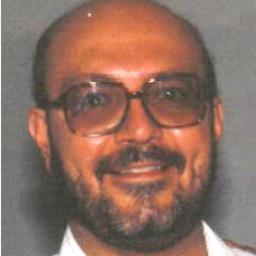
Dr. David Posipanka, LPC
Pennsylvania · 30 years in practice
Dr. David Posipanka focuses on an existential approach that helps people confront life’s big questions while handling everyday struggles.
License and registration
- LPC, Pennsylvania
- PC001080 · expires February 2027
- NPI
- 1558496562 · national provider identifier
- Years in practice
- 30
- Languages
- English
Details are as listed on the therapist's public professional profile. You can check the license with the issuing state board, and the NPI with the national registry.
About David
Dr. David Posipanka focuses on an existential approach that helps people confront life’s big questions while handling everyday struggles. He is an LPC (Licensed Professional Counselor) with 30 years of experience and works with concerns like stress, anxiety, addictions, parenting worries, depression, and major life changes.
He aims to create a straightforward, nonjudgmental space where people can speak honestly about their thoughts and feelings. In sessions he emphasizes clarity and personal meaning.
Background and approach
Conversations often look at what matters most to the person and how current choices fit with those values. That perspective can make problems like anxiety or low mood feel more understandable and manageable. Dr.
Posipanka blends practical tools with reflective listening. He uses approaches such as client-centered work and cognitive behavioral techniques to help people notice unhelpful patterns and try new behaviors. He also includes mindfulness and motivational interviewing strategies when useful to support change.
His background spans three decades of counseling practice in Pennsylvania. That experience includes supporting people through addictions, divorce and separation, fatherhood issues, and long-term health challenges. He draws on this wide practice to tailor sessions to each person’s situation.
People who come to him can expect a calm, direct style that balances reflection and action. He encourages small, doable steps and respects each person’s pace. The goal is clearer choices and better coping for everyday life.
Focus areas and approaches
Everything David lists on their public professional profile, in their own terms.
- Stress, Anxiety
- Addictions
- Parenting issues
- Depression
- Coping with life changes
- Abandonment
- Aging and geriatric issues
- Attachment issues
- Chronic pain, illness, and disability
- Codependency
- Coping with natural or human-caused disaster
- Dependent personality
- Disruptive Mood Dysregulation Disorder (DMDD)
- Divorce and separation
- Drug and alcohol addiction
- Fatherhood issues
- First responder issues
- Forgiveness
- Guilt and shame
- Impulsivity
- Life purpose
- Men's issues
- Midlife crisis
- Veteran and Armed Forces Issues
- Money and financial issues
- Mood disorders
- Multicultural concerns
- Obsessions, compulsions, and OCD
- Panic disorder and panic attacks
- Phobias
- Process addiction (porn, exercise, gambling)
- Seasonal Affective Disorder (SAD)
- Smoking / vaping cessation
- Workplace issues
Approaches David names
- Existential Therapy
- Client-Centered Therapy
- Cognitive Behavioral Therapy (CBT)
- Mindfulness Therapy
- Motivational Interviewing
- Psychodynamic Therapy
- Solution-Focused Therapy
- Trauma-Focused Therapy
Naming an approach is not evidence of training in it. This directory copies what each therapist lists and does not check training records.
Online support
How therapeutic approaches translate to online care
Existential Therapy focuses on questions about meaning, choice, and responsibility. Online sessions can use conversation and reflective exercises to help people clarify what matters to them and decide next steps when life feels uncertain.Client-Centered Therapy emphasizes listening and acceptance. In virtual meetings the therapist listens closely, reflects what is said, and helps people feel heard while they sort through emotions or parenting concerns.
Cognitive Behavioral Therapy (CBT) looks at thoughts and behaviors that keep problems going. Through video or text-based work, CBT techniques can help identify unhelpful thinking, test new behaviors, and track small changes between sessions.
Finding the right approach is part of the work together. The therapist will discuss needs, goals, and preferences and tailor methods accordingly. That collaborative process helps decide whether more reflective existential work or hands-on CBT and motivational strategies are best.
Online therapy offers flexibility for busy lives. Video calls allow face-to-face conversation when nuance matters. Phone sessions use less bandwidth and can be easier to fit into a break at work. Live chat or text-based messaging supports shorter check-ins, ongoing reflection, or quick problem-solving between appointments. These options make it easier to keep up with regular sessions and keep progress moving forward.
We will earn a commission if you sign up through our link, at no cost to you. It does not change what you pay or the order of the listings.
Questions people ask
What kinds of issues does he help with?
He works with stress, anxiety, addictions, parenting challenges, depression, and coping with life changes, plus related concerns like abandonment, attachment issues, and chronic illness.
What is the therapy style like in sessions?
Sessions combine an existential focus on meaning with client-centered listening and practical cognitive behavioral techniques to help people notice patterns and try new ways of coping.
How long has he practiced?
He has 30 years of professional experience providing counseling in a range of settings and with a variety of life challenges.
Where is he based and what credential does he hold?
He practices in Pennsylvania and holds the LPC credential, which stands for Licensed Professional Counselor.
Can I work with him if I live outside the United States?
International clients are accepted and sessions are offered in English.
What session formats are available?
He offers video calls, phone sessions, live chat, and text-based messaging to fit different schedules and needs.
How is cost handled for sessions?
Cost varies with location and therapist availability; sessions use a subscription that can be canceled at any time.
How do I begin working with him?
Start by selecting the Start Therapy button, complete a short matching questionnaire, and schedule sessions according to therapist availability.
More therapists in Pennsylvania
See allElizabeth Smith
LPC
Calm, practical help for life’s hard moments
- Stress, Anxiety
- Trauma and abuse
- Grief

Jan Horner
LPC
Hopeful, grounded counseling focused on meaning
- Relationship
- Family
- Intimacy-related issues

Yolanda Aguinaga
LPC
Experienced counselor focused on real-life change
- Stress, Anxiety
- Addictions
- Relationship

James Joseph Beaulieu
LPC
Supportive counselor focused on meaning and change
- Addictions
- Relationship
- Family

Is this your profile?
Ask us to correct details or take the page down.
Contact us