Clinical social work directory
Therapists who work with Phobias
1,141 therapists list phobias among the things they work with. All offer sessions online, and every profile shows the registering body, the membership number and when it runs to.
This directory lists therapists who include phobias and specific fears among their specialties, with information on therapeutic approaches, clinical focus, and languages spoken. Browse the listings below to compare profiles and learn about professionals who list phobia work among their approaches.

Chidale Blackwood
LPC
Practical, meaning-focused counseling for life changes
- Stress, Anxiety
- Family
- Trauma and abuse

Tatyana Sibthorpe
BACP
Existential-informed counsellor with practical tools
- Addictions
- Relationship
- Trauma and abuse

Kathryn Maddy-Powell
BACP
Calm, practical support for difficult life moments
- Stress, Anxiety
- Trauma and abuse
- Grief

Michael James
BACP
Experienced person-centred counsellor focused on meaning and change
- Stress, Anxiety
- Relationship
- Trauma and abuse

Kevin Rogers
LPC
Practical, values-focused therapy for everyday life
- Stress, Anxiety
- Anger
- Self esteem


Colette Moran
BACP
Practical therapy that addresses meaning and coping
- Stress, Anxiety
- Anger
- Self esteem

Chris Rottcher
NCPS
Compassionate integrative counselling for life's hard moments
- Stress, Anxiety
- Relationship
- Trauma and abuse


Foluso Orebiyi
BACP
Existentially minded counsellor focused on meaning
- Stress, Anxiety
- Family
- Trauma and abuse

Dr. Tanya Harrell
LPC
Helping people find purpose and practical coping tools
- Stress, Anxiety
- Family
- Trauma and abuse

Janet Ferrell
LPC
Experienced counselor focusing on practical change and meaning
- Addictions
- Family
- Grief

Catherine Kearns
BACP
Compassionate counsellor for real-life challenges
- Stress, Anxiety
- Addictions
- Relationship


Sydney Lewis
NCPS
Helping people find meaning and practical coping strategies
- Stress, Anxiety
- Addictions
- Grief

Helen Fox
BACP
Existential and person-centred counsellor
- Stress, Anxiety
- Relationship
- Trauma and abuse

Marzena Uphill
BACP
Empathic counsellor helping people find meaning and coping skills
- Stress, Anxiety
- Trauma and abuse
- Grief

Pamella Divinity
LPC
Compassionate counselor blending meaning and skills
- Stress, Anxiety
- Trauma and abuse
- Anger
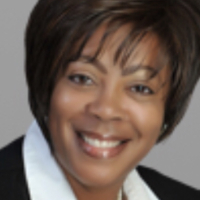
Sabina Jugurnauth
ACA
Practical, collaborative therapy for life changes
- Stress, Anxiety
- Relationship
- Grief

Darryl Khan
LMHC
Compassionate counselor helping people find meaning and balance
- Stress, Anxiety
- Relationship
- Trauma and abuse

Garrick Lawton
LPC
Practical support for stress, trauma, and life changes
- Stress, Anxiety
- Addictions
- Trauma and abuse

Peter Bramhill
BACP
An approachable counsellor for everyday struggles
- Stress, Anxiety
- Family
- Trauma and abuse

Dr. Farah Ibrahim
CO Psychologist
Compassionate psychologist for life’s hard moments
- Stress, Anxiety
- Relationship
- Family

Shaun Underwood
BACP
Warm, practical counselling that focuses on meaning
- Stress, Anxiety
- Anger
- Self esteem

Hendrina Sterling Rodriguez
NCPS
Focused, practical counselling for everyday struggles
- Stress, Anxiety
- Relationship
- Self esteem

Joseph Mbaeru
BACP
Calm, practical support for life challenges
- Stress, Anxiety
- Relationship
- Trauma and abuse

Jennifer Mcpherson (Norman)
BACP
Experienced counsellor for relationship and life challenges
- Relationship
- Family
- Trauma and abuse

Frederick Roberts
BACP
Supportive counsellor for adults and young adults
- Stress, Anxiety
- LGBT
- Relationship

Gian Sarabia
LMFT
Calm, practical help for life and relationships
- Trauma and abuse
- Intimacy-related issues
- Bipolar

Kirsty Peart
BACP
Empathic counsellor helping with life and identity challenges
- Stress, Anxiety
- LGBT
- Family

Josephine Sultana
AASW
Existential-informed social worker focused on practical change
- Stress, Anxiety
- Relationship
- Sleeping

Dr. Jess Clapham
BACP
Person-centred counsellor who values meaning and choice
- Stress, Anxiety
- Self esteem
- Career

Julia Eduardo
BACP
Compassionate, flexible counselling and practical support
- Stress, Anxiety
- Addictions
- Trauma and abuse

Siyue Zhang
AASW
Practical, compassionate counselling for life changes
- Stress, Anxiety
- Relationship
- Family


Abolanle (Bola) Aloluwaloba
NCPS
Insight-focused counsellor for life changes
- Parenting
- Anger
- Self esteem

Timothy Schuerr
LISW
Helping people find meaning and practical change
- Stress, Anxiety
- Family
- Parenting

Sarah Johnson
NCPS
Compassionate counsellor focused on meaning and action
- Stress, Anxiety
- LGBT
- Self esteem

Jenny Doig
BACP
Experienced counsellor focused on meaning and relationships
- Stress, Anxiety
- Family
- Grief

Brett Garcia
BACP
Existential and integrative counsellor with 20 years' experience
- Stress, Anxiety
- Relationship
- Family

Vanicha Mamon
BACP
Existential-influenced counsellor for everyday struggles
- Stress, Anxiety
- Relationship
- Trauma and abuse

Christian Jackson
BACP
Existential counsellor with practical therapy focus
- Stress, Anxiety
- Relationship
- Trauma and abuse

Teresa Riley
LMFT
Seasoned therapist blending practical skills and meaning
- Stress, Anxiety
- Addictions
- Relationship

Ijeoma Nweze
BACP, NCPS
Practical, respectful support for life and relationships
- Relationship
- Family
- Parenting


Susanna "Susan" Abraham
BACP
Helping people find meaning and practical change
- Stress, Anxiety
- Addictions
- Grief
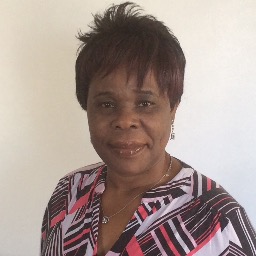
Kingsley Boateng
BACP, NCPS
Warm, practical therapy for life transitions
- Stress, Anxiety
- LGBT
- Relationship

Some links on this page are partner links. We will earn a commission if you sign up through one, at no cost to you. It does not change what you pay or the order of the listings.
Understanding phobias and how they can affect you
What a phobia is
A phobia is an intense, often persistent fear of a particular object, situation or activity that leads you to avoid what you fear or to endure it with significant distress. Common examples include fear of flying, heights, animals, needles, or social situations. Phobias can be specific to a narrow trigger or can relate to broader contexts, such as a fear of losing control in crowds. The experience is more than simple dislike or caution - it can shape your decisions, limit daily activities, or increase stress around anticipated encounters with the feared stimulus.
How phobias affect daily life
If you have a phobia, you may find yourself rearranging routines, turning down work or social opportunities, or taking elaborate steps to avoid a trigger. You might notice physical reactions like rapid heartbeat, sweating, trembling, dizziness, or a strong urge to escape when faced with the fear. Emotional responses often include intense anxiety, shame about the fear, or frustration at the limitations it imposes. Over time, avoiding situations can reinforce the fear, making it feel more fixed. Understanding these patterns is a first step toward managing their impact.
Recognizing when therapy may be helpful
Signs you might benefit from professional support
You might consider professional help if your fear consistently interferes with activities you value, causes repeated worry, or leads you to change plans to avoid triggers. If your emotional or physical reactions feel out of proportion to the situation, or if avoidance is widening into multiple areas of life, these are clear signals that a structured approach could help. Therapy can also be helpful when self-help strategies no longer reduce fear, or when worry about a phobia contributes to broader anxiety or mood difficulties.
When to seek help sooner
Seek support sooner if the fear is tied to recurrent panic episodes, if it prompts risky avoidance strategies, or if it creates conflict in close relationships. You do not need to wait until a fear becomes completely disabling to reach out. Early intervention often means learning strategies that reduce the intensity of reactions and prevent habits of avoidance from becoming entrenched.
What to expect in therapy sessions focused on phobias
Assessment and collaborative goal-setting
Initial sessions typically begin with assessment - the clinician will ask about the history of the fear, how it shows up, what you already tried, and how the phobia affects your life. Expect a collaborative conversation about goals. You and your therapist will identify what changes matter most to you, whether that is reducing physical panic, tolerating certain situations, or reclaiming activities you have given up. This shared plan guides treatment and sets measures for progress.
Session structure and pacing
Therapy for phobias often combines skill-building with gradual exposure to the feared stimulus. Sessions may include education about how fear works, practicing breathing or grounding techniques to manage acute reactions, and cognitive work to address unhelpful thoughts that intensify anxiety. Exposure is typically introduced at a pace you agree on, starting with less threatening steps and moving toward more challenging situations as you gain confidence. The therapist's role is to support, coach, and help you process reactions, while you practice new responses both in and between sessions.
Common therapeutic approaches used for phobias
Cognitive and exposure-based methods
Cognitive behavioral approaches are frequently used in work with phobias. You may encounter therapists who list cognitive behavioral therapy among their approaches, often combined with exposure-based methods. Exposure means intentionally facing feared situations in a controlled way so that avoidance is reduced and your natural capacity to tolerate anxiety improves. Exposure can be imaginal, in-session behavioral practice, or real-life graduated steps. The emphasis is on repeated, supported practice rather than sudden confrontation, so you build confidence and shift patterns of avoidance.
Other modalities you may find
Some therapists list acceptance and commitment approaches among their methods, which focus on shifting the relationship you have with fear and clarifying what matters most in your life. Others describe mindfulness-informed or body-centered approaches that help you notice physical sensations without reacting to them. You may also see clinicians who list EMDR among their approaches for trauma-related fears, or those who mention brief, skills-based interventions that target panic symptoms. When reviewing profiles, note that a listed approach indicates the clinician uses that method in practice, not that a particular credential guarantees outcomes.
How online therapy works for phobias and tips for choosing a therapist
How online sessions are similar to in-person work
Online therapy often follows the same structure as in-person work - assessment, skill-building, and exposure practice - but is delivered via video or phone. You can use telehealth to rehearse coping skills in the moment, process reactions after encountering a trigger, and receive coaching as you attempt real-life steps. Some therapists who list virtual reality among their approaches may combine telehealth with guided virtual exposure tools, but many clinicians adapt traditional exposure and cognitive techniques effectively over video. It helps to choose a quiet, quiet space for sessions where you can focus and feel comfortable practicing exercises.
Practical tips for selecting a therapist who fits your needs
Start by comparing the therapists' stated focus areas to see who lists phobias or specific fears among their specialties. Look at the therapeutic approaches each professional lists and think about which methods you prefer - whether you want exposure-focused work, cognitive restructuring, mindfulness elements, or a blended approach. Pay attention to credentials and professional background to understand the clinician's training pathway and scope of practice. Consider languages offered and any experience noted with cultural or lifespan issues that matter to you. It can be helpful to read profile descriptions for indications of how a therapist frames exposure - whether gradual, collaborative, and skills-based - so you know what to expect.
Questions to consider and next steps
When you contact a therapist, you might ask about how they structure initial sessions for phobias, how they pace exposure, and how they monitor progress. Ask about their approach to safety planning and steps to take outside sessions if anxiety intensifies. Clarifying how they work remotely and what tools they use for in-session practice will help you assess fit. Finally, think about practical factors such as session length, fees, and communication style - a good match often comes from shared expectations about pacing, goals, and the kind of support you find most helpful.
Addressing a phobia is a process that combines learning, practice, and gradual change. By focusing on what matters to you and choosing a therapist who lists relevant approaches and experience, you can take structured steps toward greater flexibility in situations that now feel limiting.