
Esther Lowery, MD, LCMFT, LMFT
Connecticut · 13 years in practice
Esther Lowery is a licensed therapist who uses existential ideas and relationship-focused work to help people find meaning and clearer direction.
License and registration
- LMFT, Connecticut
- 001584 · expires February 2026
- LCMFT, Maryland
- LCM971 · expires January 2027
- NPI
- 1932447448 · national provider identifier
- Years in practice
- 13
- Languages
- English
Details are as listed on the therapist's public professional profile. You can check the license with the issuing state board, and the NPI with the national registry.
About Esther
Esther Lowery is a licensed therapist who uses existential ideas and relationship-focused work to help people find meaning and clearer direction. She draws on 13 years of clinical experience and a belief that each person knows their story best. Esther holds an MD and is licensed as a clinical marriage and family therapist - LCMFT and LMFT.
She encourages steady steps toward a more satisfying life. Her sessions often center on relationships, intimacy, and self-esteem.
Background and approach
She also addresses depression, grief, trauma and abuse, and challenges tied to parenting and career strain. Esther listens for what matters most to each person and helps name patterns that get in the way. Esther blends practical tools with reflective conversation.
That can include strategies from cognitive behavioral therapy to manage difficult thoughts and skills from dialectical behavior therapy to tolerate strong emotions. Attachment-based and client-centered approaches shape how she builds trust and supports personal growth. People come to her with a wide range of concerns such as ADHD, bipolar symptoms, eating struggles, compassion fatigue, and issues around adoption or family of origin.
She also works with people facing guilt, shame, abandonment, or the decision to separate from a partner. Esther aims to meet each person where they are and move at a pace that feels doable. Sessions are offered from Maryland and conducted in English.
Esther frames therapy as a collaborative process - a place to try new perspectives, practice different responses, and build more satisfying connections and routines.
Focus areas and approaches
Everything Esther lists on their public professional profile, in their own terms.
- Relationship issues
- Intimacy-related issues
- Self esteem
- Depression
- Coping with life changes
- LGBT
- Trauma and abuse
- Grief
- Eating disorders
- Parenting issues
- Anger management
- Career difficulties
- Bipolar disorder
- Coaching
- Compassion fatigue
- ADHD
- Abandonment
- Adoption and foster care
- Aging and geriatric issues
- Attachment issues
- Blended family issues
- Commitment issues
- Communication problems
- Dependent personality
- Divorce and separation
- Emptiness
- Family of origin issues
- Family problems
- Forgiveness
- Guilt and shame
- HIV / AIDS
- Infidelity
- Isolation / loneliness
- Life purpose
- Midlife crisis
- Postpartum depression
- Seasonal Affective Disorder (SAD)
- Self-love
- Women's issues
- Young adult issues
Approaches Esther names
- Existential Therapy
- Attachment-Based Therapy
- Client-Centered Therapy
- Cognitive Behavioral Therapy (CBT)
- Dialectical Behavior Therapy (DBT)
- Mindfulness Therapy
- Motivational Interviewing
- Internal Family Systems
Naming an approach is not evidence of training in it. This directory copies what each therapist lists and does not check training records.
Online support
How Esther’s Approaches Translate to Online Care
Existential therapy invites people to name what matters most in life and to face big questions about meaning, choice, and direction; it can help when someone feels stuck, empty, or unsure about their next steps. Attachment-based therapy looks at how early and current relationship patterns shape trust and closeness; it helps people change how they relate to others and feel safer in relationships. Client-centered therapy emphasizes listening, acceptance, and the client's own goals; it creates space for people to explore feelings and make decisions at their own pace.Choosing the right approach is part of the work. Esther treats that as a collaborative process: she will talk with each person about goals, try different techniques, and adjust methods to fit what the person finds most useful. The aim is to find practical ways forward while honoring personal values and timing.
Online formats include video calls, phone sessions, live chat, and text-based messaging. Video is useful for in-depth conversations and nonverbal cues. Phone sessions can be a simpler option when bandwidth is limited or when being off camera helps someone focus. Live chat and text messaging work well for brief check-ins, skills practice, or between-session support. These options offer flexibility for busy schedules and different comfort levels while keeping therapy focused on real change.
We will earn a commission if you sign up through our link, at no cost to you. It does not change what you pay or the order of the listings.
Questions people ask
What concerns does Esther commonly address?
She works with relationship and intimacy issues, self-esteem, depression, grief, trauma and abuse, and parenting and career challenges, among other concerns listed in her profile.
How would you describe her therapeutic style?
Her approach combines existential reflection with practical techniques. Sessions mix thoughtful conversation with skills from CBT and DBT as needed.
What is her professional background?
She has 13 years of clinical experience and frames therapy around the client as the expert of their story, offering support and guidance through change.
Where is she licensed and based?
Esther practices from Maryland and holds the credentials MD, LCMFT, and LMFT as listed in her profile.
Which languages are supported for sessions?
Sessions are offered in English.
What session formats are available?
She offers a mix of video calls, phone sessions, live chat, and text-based messaging to suit different needs and schedules.
How are fees structured?
Cost varies with location and therapist availability; sessions use a subscription model that can be canceled at any time.
How do I begin working with her?
To start, select the Start Therapy button, complete a short matching questionnaire, and then schedule sessions according to the therapist's availability.
More therapists in Maryland
See allSabrina Sahle
MD, LCSW-C
Compassionate therapist focused on meaning and change
- Stress, Anxiety
- Relationship
- Family

Dr. Allison Bethea
MD
Experienced clinician focusing on meaning and coping
- Stress, Anxiety
- LGBT
- Parenting
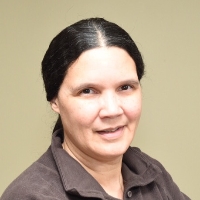
Janet Nealer
MD, LCMFT
Seasoned clinician focusing on meaning and practical change
- Stress, Anxiety
- Relationship
- Family

Dr. Daphne Washington
MD, LCPC
Mindful, practical support for life changes
- Stress, Anxiety
- Self esteem
- Compassion fatigue

Is this your profile?
Ask us to correct details or take the page down.
Contact us