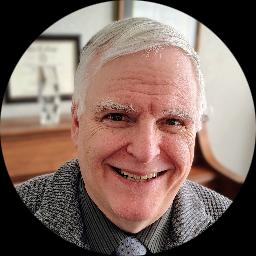
Gene Hauser, LPC
Texas · 20 years in practice
Gene Hauser is a Licensed Professional Counselor (LPC) in Texas with about 20 years of experience helping people through stress, anxiety, depression, trauma, grief, and life transitions.
License and registration
- LPC, Texas
- 62488 · expires October 2027
- NPI
- 1982026217 · national provider identifier
- Years in practice
- 20
- Languages
- English
Details are as listed on the therapist's public professional profile. You can check the license with the issuing state board, and the NPI with the national registry.
About Gene
Gene Hauser is a Licensed Professional Counselor (LPC) in Texas with about 20 years of experience helping people through stress, anxiety, depression, trauma, grief, and life transitions. He focuses on practical support for issues like career strain, addiction concerns, relationship and intimacy challenges, ADHD, and compassion fatigue.
Gene aims to create a calm space where people can name what feels most urgent and start taking small steps forward. His approach centers on building a trusting relationship and helping people clarify their values and purpose.
Background and approach
He uses Existential Therapy to look at meaning and choice, Client-Centered Therapy to follow each person’s pace, and Mindfulness to teach simple tools for handling worry and strong emotions. Motivational Interviewing is used when people want to change habits or tackle resistant problems. Sessions tend to be straightforward and conversational.
Gene listens for patterns that get in the way and offers concrete skills to try between meetings. He also supports people facing long-term issues like chronic pain, aging concerns, or end-of-life matters, helping them plan and cope. Gene’s background includes counseling work over two decades in Texas and a focus on combining mental, emotional, and spiritual wellbeing.
He offers video calls, phone sessions, live chat, and text-based messaging to fit different needs. Sessions use a subscription that can be canceled at any time. People meet him to sort out practical next steps, reduce overwhelm, and rebuild confidence.
He helps each person set realistic goals and choose strategies that match their life and values.
Focus areas and approaches
Everything Gene lists on their public professional profile, in their own terms.
- Stress, Anxiety
- Trauma and abuse
- Career difficulties
- Coping with life changes
- ADHD
- Addictions
- LGBT
- Relationship issues
- Grief
- Intimacy-related issues
- Anger management
- Self esteem
- Bipolar disorder
- Depression
- Compassion fatigue
- Aging and geriatric issues
- Chronic pain, illness, and disability
- Communication problems
- Forgiveness
- Guilt and shame
- Hospice and end-of-life counseling
- Isolation / loneliness
- Life purpose
- Midlife crisis
- Veteran and Armed Forces Issues
- Post-traumatic stress
- Traumatic brain injury
- Workplace issues
Approaches Gene names
Naming an approach is not evidence of training in it. This directory copies what each therapist lists and does not check training records.
Online support
How Gene’s Approaches Translate to Online Therapy
Existential Therapy here focuses on meaning, choice, and values. In short sessions people look at what matters most and how current choices fit with those values. This can help with career questions, midlife concerns, grief, and feelings of aimlessness.Client-Centered Therapy emphasizes a warm, nonjudgmental conversation. The therapist follows the person’s lead, reflects what he hears, and helps people feel understood before moving to change. Mindfulness Therapy teaches simple attention and breathing practices to manage anxiety, stress, chronic pain, and strong emotions.
Finding the right approach is part of the work. Gene will discuss what feels useful and adapt methods to fit goals and preferences. The process is collaborative - clients and therapist pick strategies together and adjust them over time.
Online formats include video calls, phone sessions, live chat, and text-based messaging. Video sessions let people read facial cues and have deeper conversations. Phone sessions can be easier when bandwidth or camera use is a problem. Live chat and messaging are practical for quick check-ins, brief skills practice, or fitting therapy into a busy day. These options make it easier to keep a steady routine and try tools between sessions.
We will earn a commission if you sign up through our link, at no cost to you. It does not change what you pay or the order of the listings.
Questions people ask
What concerns does Gene address?
He helps with stress, anxiety, depression, trauma and abuse, grief, relationship and intimacy issues, addiction, ADHD, bipolar concerns, and workplace or career stress.
How would you describe his therapy style?
Sessions are conversational and collaborative, focused on clarifying values, reducing overwhelm, and trying practical tools between meetings.
What experience does he have?
He has about 20 years of counseling experience working with a range of concerns, including chronic pain, hospice and end-of-life issues, and veteran-related matters.
What credentials and location are listed?
He is a Licensed Professional Counselor with credentials noted as TX LPC and provides services from Texas.
Which languages and international options are supported?
Sessions are offered in English and he is not accepting international clients.
What session formats are available?
Therapy is offered by video calls, phone sessions, live chat, or text-based messaging to suit different schedules and needs.
How does billing and cost work?
Cost varies with location and therapist availability; sessions use a subscription model that can be canceled at any time.
How do I begin working with him?
Start by selecting the Start Therapy button, complete a short matching questionnaire, and then schedule sessions according to therapist availability.
More therapists in Texas
See allMaddisson Elizardo
LPC
Practical, values-focused counseling in Texas
- Stress, Anxiety
- Addictions
- Relationship


April Nance
LPC
Compassionate counselor focused on meaning and change
- Stress, Anxiety
- Addictions
- Trauma and abuse

Daffney Tchassem
LCSW
Practical support for life's difficult moments
- Stress, Anxiety
- Relationship
- Family

Is this your profile?
Ask us to correct details or take the page down.
Contact us