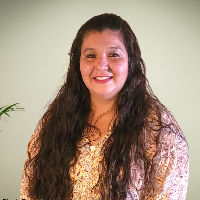
Maddisson Elizardo
LPC
Practical, values-focused counseling in Texas
- Stress, Anxiety
- Addictions
- Relationship
Clinical social work directory
299 therapists in this directory hold a licence issued in Texas and name existential therapy among their approaches. Sessions are online; a US therapist can usually only see people in a state where they hold a licence, so check the credentials panel on each profile.
Welcome if you are looking for online therapists in Texas. All therapists listed here are licensed in Texas; explore profiles to learn about approaches, languages, and areas of focus that may suit you.
LPC
Practical, values-focused counseling in Texas
LPC
Compassionate counselor focused on meaning and change
LCSW
Practical support for life's difficult moments
LPC
Practical, person-focused counseling for adults
LMFT
Seasoned therapist blending practical skills and meaning
LPC
Grounded counseling focused on meaning and action
LPC
Calm, direct support for meaningful change
LPC
Practical, pattern-focused therapy for adults and couples
LCSW
Compassionate, practical therapy focused on meaning
LPC
Compassionate guidance for meaningful change
LPC
Finding meaning and practical coping skills
LPC
Guided, values-focused therapy for everyday struggles
LCSW
Compassionate, practical therapy for life’s hard moments
LPC
Compassionate, practical therapy for life’s challenges
LPC
Practical, experienced counseling for life changes
LMFT, LPC
Existential-informed therapist with practical tools
LPC
Compassionate, practical therapy grounded in meaning
LCSW
Existential-informed therapist focused on healing
LPC
Steady, experienced counseling for major life struggles
LPC
Practical support for meaningful life change
LPC
Warm, creative counselor with deep experience
LCSW
Experienced LCSW focused on practical therapy
LCSW
Compassionate, practical therapy for life challenges
LPC
Insightful counselor blending practical tools and meaning
LPC
Practical therapy focused on meaning and change
MD, LCSW-C, LCSW
Experienced clinician focusing on meaning and relationship patterns
LPC
Hopeful, practical counseling that centers lived experience
LPC
Practical, tailored therapy for teens and adults
LPC
Helping people find meaning and practical change
LPC
Existential-informed counselor helping with life choices
LPC
Compassionate, practical counseling that centers meaning
LCSW
Compassionate, practical therapy for hard moments
LPC
Grounded, practical counseling for life transitions
LMFT
Existential-informed therapist focused on life purpose
LPC
Compassionate care for life’s turning points
LPC
Calm, practical counseling for real-life struggles
LMFT
Compassionate therapist focused on meaning and change
LPC
Existential-minded counselor who listens and guides
LCSW
Straightforward support for life transitions
Some links on this page are partner links. We will earn a commission if you sign up through one, at no cost to you. It does not change what you pay or the order of the listings.
Online therapy has become a familiar route for people across Texas to access mental health care from cities, suburbs, and rural communities alike. When you look at profiles in this directory you will find therapists who offer counseling by video call, phone, and other telehealth-friendly formats. Because regulations require that practitioners be licensed in the state where you are located during a session, the therapists listed here are licensed to practice in Texas and represent a range of professional credentials such as licensed professional counselors, licensed clinical social workers, licensed marriage and family therapists, and licensed psychologists. Each profile typically includes information about educational background, approach descriptions, languages spoken, and areas of focus so you can get a sense of who might fit your needs before you reach out.
You should be aware that the landscape for delivering mental health services online continues to evolve, and platforms, insurance policies, and state rules can change over time. This directory focuses on presenting clear professional information to help you make an informed choice. Because online sessions remove geographic distance, you can consider therapists whose specialties match your concerns even if they are located in a different Texas city. At the same time, you remain protected by the same state licensing oversight as in-person care, and you can verify licensing and any public records through the state licensing board.
Online therapy offers several practical advantages that might align with your life and priorities. If you live in an area with fewer local options, virtual sessions expand the pool of clinicians who use approaches that resonate with you, such as existential therapy, cognitive behavioral strategies, psychodynamic perspectives, or eclectic models. You may also find clinicians who list specialized approaches among their offerings - for example, therapists who list EMDR among their approaches or who mention particular modalities for trauma, grief, or relationship work.
Using online care can also help you fit therapy into a busy schedule, reduce travel time, and let you participate from a setting that feels comfortable and personal. For people with mobility limitations, caregiving responsibilities, or irregular work hours, virtual sessions can remove barriers to consistent care. In addition, online formats make it easier to access clinicians who speak languages other than English or who list experience working with particular cultural communities. The relational quality of therapy remains central in virtual settings, and many people find they can build trust and make meaningful progress through remote sessions when they choose a clinician with whom they feel a fit.
Therapists offering online work in Texas address a broad spectrum of life concerns and mental health challenges. You will see clinicians who describe experience supporting people with anxiety, depression, stress related to work or family, grief and loss, relationship difficulties, parenting concerns, and life transitions such as relocation, career change, or becoming a parent. Many therapists also list areas like trauma response, identity and sexuality, chronic illness adjustment, and coping with major life decisions.
Some profiles emphasize work with particular age groups such as adolescents, young adults, midlife adults, or older adults. Others focus on relationship issues and couples work or on family dynamics. If trauma is part of your history, you may notice therapists who list trauma-focused approaches or who specify modalities they use; remember that a profile indicates that a clinician lists those approaches and does not itself verify particular training claims. Beyond symptom-focused care, many therapists also help clients explore meaning, values, and existential questions that arise during life transitions or crises. Your choice of clinician might depend on whether you prefer an approach that is structured and skills-based, or one that emphasizes exploration of patterns and meaning.
Verifying a clinician's license is an important step when you consider online therapy. You can search the Texas licensing database maintained by the state licensing body that oversees behavioral health professions. Use the board's online license lookup to search by the clinician's full name or license number, and confirm the license type and status. Pay attention to the license expiration date, the exact professional title listed, and whether any disciplinary actions or public orders appear on the record.
If a profile does not include a license number, you can request it directly from the clinician before scheduling sessions. When you verify a license, confirm that the clinician is authorized to practice in Texas and that there are no unresolved disciplinary matters noted by the licensing board. You may also review the listed professional degree and training institution for additional context, and you can ask the clinician about their experience with particular populations or approaches. The licensing lookup provides the most reliable public information about formal licensure status in the state.
Getting started is a stepwise process that centers on clarifying your goals and matching them to clinician information. Begin by reading profiles to see which therapists describe working with issues similar to yours and which approaches feel aligned with how you want to work. Notice the languages offered, stated areas of focus, and descriptors about client populations. Consider whether you prefer a therapist who frames their work in a directive, skills-oriented way or one who emphasizes exploration and meaning-making. Profiles that list several approaches allow you to see how a therapist conceptualizes change and what kinds of interventions they might offer, but remember that a profile reflects what the clinician lists rather than formal certification claims.
Practical questions matter too. Review session length and general fee information if provided, and find out whether the clinician accepts your insurance or offers a sliding scale. Ask about technical requirements for online sessions - for example, whether they use video, whether they have backup plans if a connection drops, and how they handle records and documentation. Before your first session, think about what you want to achieve in therapy and prepare a short summary you can share so the clinician understands your priorities. If you are ever in immediate danger or facing an emergency, call 911 or your local emergency number or go to the nearest emergency room; online therapy is not a substitute for crisis services.
Choosing a therapist often comes down to relational fit. After an initial conversation or intake, reflect on whether you felt heard, whether the clinician's style matched your preferences, and whether their proposed approach aligns with your goals. It is reasonable to speak with more than one clinician before deciding who to work with. Language, cultural understanding, worldview, and life experience can all influence fit, so prioritize finding someone who listens well and offers a clear path forward that makes sense to you. Over time you can reassess whether the work is helping you move toward the changes you want.
When you prepare for virtual therapy, choose a comfortable environment where you can speak freely and without interruptions. Make sure your internet connection, camera, and microphone support clear communication, and ask the clinician about policies around session cancellation, payment, and documentation. If cost is a concern, inquire about fee structures, sliding scale options, or whether the clinician accepts your insurance. Clarifying these logistics ahead of time can help you focus the actual sessions on the therapeutic work.
Finally, trust your instincts about the therapeutic relationship. If a clinician's style, stated approach, or ways of working do not feel like a fit, you can continue looking. The process of finding the right online therapist is a personal one, and having clear information about licensure, approach, and focus areas helps you make a confident choice. Use the listings here to compare profiles, note questions to ask, and take the next step toward connecting with a clinician who matches the needs and values you bring to the work.