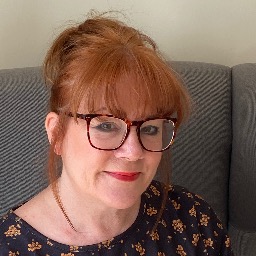
Gina Kelly, BACP
10 years in practice
Gina Kelly is a counsellor who uses an existential and humanistic outlook to help people find meaning in hard moments.
License and registration
- BACP
- 80030 · expires August 2026
- Years in practice
- 10
- Languages
- English
Details are as listed on the therapist's public professional profile. You can check the registration with the body that granted it.
About Gina
Gina Kelly is a counsellor who uses an existential and humanistic outlook to help people find meaning in hard moments. She draws on ten years of experience in the United Kingdom and brings a calm, respectful presence to sessions. Gina holds a BA (Hons) and a Diploma in Humanistic Counselling and is registered with the BACP.
Gina often supports people dealing with deep sadness, bereavement, illness and end of life concerns.
Background and approach
She also helps those facing anxiety, stress, addiction and major life changes. Conversations focus on what matters to the person and how they want to live moving forward. Her style is warm and non-judgemental.
She prioritises genuine empathy, openness and respect for each person's experience. Sessions are practical and reflective, offering space to talk through worries and consider different ways to cope. Gina works holistically, attending to mind, body and emotional life.
She helps people explore identity, self-esteem, relationships and purpose. This can include looking at patterns, values and what gives life meaning. People meet Gina for steady, supportive work rather than quick fixes.
She aims to help clients build understanding, move through loss, and find ways to accept or change difficult circumstances. She welcomes conversations about grief, trauma, relationship strain and coping with illness. If someone wants a thoughtful, compassionate counsellor who listens and helps map possible next steps, Gina offers a considered, person-focused approach.
Focus areas and approaches
Everything Gina lists on their public professional profile, in their own terms.
- Stress, Anxiety
- Relationship issues
- Family conflicts
- Grief
- Depression
- Addictions
- LGBT
- Trauma and abuse
- Anger management
- Self esteem
- Career difficulties
- Coping with life changes
- Compassion fatigue
- Aging and geriatric issues
- Avoidant personality
- Blended family issues
- Body image
- Cancer
- Chronic pain, illness, and disability
- Commitment issues
- Coping with natural or human-caused disaster
- Dissociation
- Divorce and separation
- Drug and alcohol addiction
- Emptiness
- Family problems
- Fatherhood issues
- Forgiveness
- Guilt and shame
- Hoarding
- Hospice and end-of-life counseling
- Infidelity
- Intellectual disability
- Isolation / loneliness
- Jealousy
- Life purpose
- Midlife crisis
- Money and financial issues
- Mood disorders
- Obsessions, compulsions, and OCD
- Panic disorder and panic attacks
- Paranoia
- Phobias
- Seasonal Affective Disorder (SAD)
- Self-harm
- Self-love
- Sexuality
- Social anxiety and phobia
- Women's issues
- Workplace issues
- Young adult issues
Approaches Gina names
- Existential Therapy
- Client-Centered Therapy
- Jungian Therapy
- Mindfulness Therapy
- Motivational Interviewing
- Narrative Therapy
- Solution-Focused Therapy
Naming an approach is not evidence of training in it. This directory copies what each therapist lists and does not check training records.
Online support
How existential and client-focused work translates online
Existential therapy helps people look at life questions such as meaning, loss and direction. It encourages honest reflection about values, choices and how someone wants to live. Client-centred therapy puts the person's own experience at the heart of sessions, offering empathy, acceptance and active listening to help them find their own answers.The therapist will work collaboratively to find the best fit. Together they will discuss which approaches feel most useful, set goals and adjust methods as work progresses. The focus is on the person's needs, goals and preferences rather than a fixed method.
Online formats make the work more flexible. Video calls allow face-to-face conversation and visual connection. Phone sessions suit people with lower bandwidth or who prefer not to be on camera. Live chat and text-based messaging can be used for shorter check-ins, reflection between sessions or when typing feels easier. These options help therapy fit around work, caregiving and other commitments while keeping the same collaborative approach.
We will earn a commission if you sign up through our link, at no cost to you. It does not change what you pay or the order of the listings.
Questions people ask
What concerns does Gina commonly help with?
She works with stress, anxiety, grief, depression, relationship strain, addiction and trauma, among other issues listed in her specialisms.
How would you describe her therapeutic style?
Gina adopts an existential and client-centred style that is warm, non-judgemental and reflective. Sessions focus on meaning, values and practical coping.
What experience does she bring to therapy?
Gina has ten years of counselling experience working in the United Kingdom with people facing loss, illness and deep emotional challenges.
What credential or professional body is she associated with?
She holds a BA (Hons) and a Diploma in Humanistic Counselling and is registered with the BACP.
Which languages are supported in sessions?
Sessions are offered in English.
Can people outside the UK work with her?
She does not accept international clients at this time and works with people located in the United Kingdom.
What session formats are available?
Gina offers video calls, phone sessions, live chat and text-based messaging to suit different needs and schedules.
How are fees and starting therapy handled?
Cost varies with location and therapist availability and sessions use a subscription that can be cancelled at any time; to begin, select Start Therapy and complete the short matching questionnaire before scheduling.
Is this your profile?
Ask us to correct details or take the page down.
Contact us