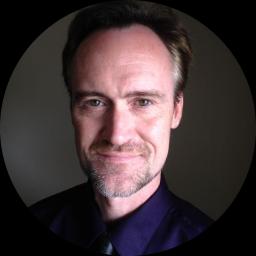
Dr. Keith Cates, LPC, LMHC
Alabama · 16 years in practice
Dr. Keith Cates uses an existential approach to help people facing deep questions about meaning, purpose, and identity.
License and registration
- LPC, Alabama
- LPC02734 · expires July 2027
- LMHC, Florida
- MH20512 · expires March 2027
- LPC, Georgia
- LPC005200 · expires September 2026
- NPI
- 1093325268 · national provider identifier
- Years in practice
- 16
- Languages
- English
Details are as listed on the therapist's public professional profile. You can check the license with the issuing state board, and the NPI with the national registry.
About Keith
Dr. Keith Cates uses an existential approach to help people facing deep questions about meaning, purpose, and identity. He brings 16 years of experience and a straightforward style to conversations about stress, anxiety, depression, and trauma.
Dr. Cates is credentialed as a Licensed Professional Counselor and as a Licensed Mental Health Counselor. He practices from Alabama and speaks English.
In session he focuses on what matters most to each person.
Background and approach
He listens for the values and choices beneath the distress. From there he helps clients name priorities and take small steps toward change. Many people come with a mix of concerns such as relationship issues, intimacy-related struggles, low self-esteem, career pressure, or trouble sleeping.
He also works with people affected by trauma, post-traumatic stress, compassion fatigue, and first responder stress. Additional areas of focus include LGBT concerns, polyamory and non-monogamous relationships, and alternative sexual cultures such as BDSM and kink. Dr.
Cates uses practical tools alongside reflective work. This can include mindfulness practices, solution-focused strategies, and EMDR for trauma-related symptoms when appropriate. He adapts conversation and techniques to fit each person's goals and situation.
Sessions can help when life feels stalled, when grief or emptiness shows up, or when a crisis forces a reevaluation of choices. He emphasizes respect, sensitivity, and empowering people to act on what they find meaningful. To begin, a short intake helps match priorities and plan the next steps together.
Focus areas and approaches
Everything Keith lists on their public professional profile, in their own terms.
- Trauma and abuse
- Self esteem
- Career difficulties
- Compassion fatigue
- Stress, Anxiety
- LGBT
- Relationship issues
- Intimacy-related issues
- Sleeping disorders
- Parenting issues
- Depression
- Coping with life changes
- BDSM, kink, and alternative sex culture
- Coping with natural or human-caused disaster
- Emptiness
- Fatherhood issues
- First responder issues
- Men's issues
- Veteran and Armed Forces Issues
- Polyamory / non-monogamous relationships
- Post-traumatic stress
Approaches Keith names
- Existential Therapy
- Eye Movement Desensitization and Reprocessing (EMDR)
- Mindfulness Therapy
- Solution-Focused Therapy
Naming an approach is not evidence of training in it. This directory copies what each therapist lists and does not check training records.
Online support
Therapeutic approaches adapted for online work
Dr. Cates blends existential therapy, EMDR, and mindfulness approaches in a way that works well online. Existential therapy focuses on questions of meaning, values, and choice; it helps when someone feels stuck, empty, or unsure about life direction. EMDR, when used, addresses trauma-related symptoms by combining focused memory work with bilateral stimulation to reduce distress associated with past events. Mindfulness therapy teaches simple attention and breathing practices to reduce anxiety and improve sleep and stress management.Choosing the right approach is a shared process. The therapist works collaboratively to understand the client’s goals, symptoms, and preferences, then recommends methods to try and checks in regularly about what is helping. This lets the plan change over time to match progress and shifting needs.
Online therapy offers practical benefits for many people. Video calls let the therapist and client keep visual contact for deeper conversation. Phone sessions can be a good option when bandwidth is limited or when a shorter check-in fits a busy day. Live chat and text-based messaging make it easier to fit in brief reflections or to maintain steady contact between sessions. Together these formats make it more flexible to pursue meaningful change without rearranging a lot of life commitments.
We will earn a commission if you sign up through our link, at no cost to you. It does not change what you pay or the order of the listings.
Questions people ask
What concerns does this therapist address?
He helps people with trauma and abuse, anxiety, depression, stress, self-esteem, career concerns, relationship and intimacy issues, sleeping problems, parenting, and coping with life changes.
What is his therapeutic style like?
He emphasizes an existential approach that looks at meaning and choice, combined with mindfulness, solution-focused techniques, and EMDR when relevant.
How much clinical experience does he have?
He has 16 years of professional work experience supporting people with a range of concerns related to trauma, stress, and life transitions.
What credentials and location apply to this therapist?
He holds LPC and LMHC credentials and practices from Alabama as listed in his profile.
Which languages are available for sessions?
Sessions are offered in English.
Can international clients work with him?
International clients are not currently accepted.
What session formats are offered?
He offers video calls, phone sessions, live chat, and text-based messaging to suit different needs and schedules.
How does payment and scheduling work?
Cost varies with location and therapist availability and uses a subscription that can be canceled at any time; start by selecting the Start Therapy button and completing a short matching questionnaire to schedule.
More therapists in Alabama
See allMarjorie Ann Robinson
LICSW
Practical, values-driven therapy with compassion
- Stress, Anxiety
- Depression
- LGBT

Theresa Huggins
LPC
Straightforward therapy for stress and life changes
- Stress, Anxiety
- Relationship
- Self esteem

Dashon Mcnelley
LPC
Practical, collaborative counseling for life changes
- Stress, Anxiety
- Trauma and abuse
- Coping with life changes
Hannah Strength
LPC
Compassionate counselor helping people find strength
- Stress, Anxiety
- Trauma and abuse
- Self esteem
Is this your profile?
Ask us to correct details or take the page down.
Contact us