
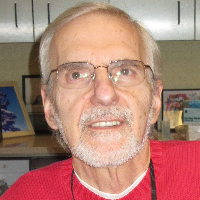
Kenneth Markovic, LCSW
Illinois · 14 years in practice
Kenneth Markovic is a Licensed Clinical Social Worker (LCSW) who uses an approach grounded in Existential therapy to help people tackle stress, anxiety, addiction, grief, anger, and low self-esteem.
License and registration
- LCSW, Illinois
- 149029020 · expires November 2027
- NPI
- 1972299568 · national provider identifier
- Years in practice
- 14
- Languages
- English
Details are as listed on the therapist's public professional profile. You can check the license with the issuing state board, and the NPI with the national registry.
About Kenneth
Kenneth Markovic is a Licensed Clinical Social Worker (LCSW) who uses an approach grounded in Existential therapy to help people tackle stress, anxiety, addiction, grief, anger, and low self-esteem. He writes plainly and listens closely, helping each person name what matters most and decide on clear next steps.
He draws on 14 years of experience across clinical therapy, case management, and school social work in Illinois. That work has included supporting people facing addiction, depression, trauma, grief, body image struggles, and struggles with motivation and self-worth.
Background and approach
He has also supported recovery from involvement in toxic groups such as cults and gangs. In session he blends Existential thinking with client-centered care, attachment-focused work, and practical tools from cognitive behavioral and dialectical behavior approaches. That mix helps people understand patterns, change unhelpful behaviors, and build more satisfying relationships and daily routines.
He has worked in school settings with youth in Chicago and surrounding suburbs, helping them cope with pressure, distraction, and a fast pace. Kenneth also has experience advocating for LGBTQIA+ individuals and working with Hispanic and Black communities in ways that honor people’s backgrounds.
Kenneth describes the client as the expert on their own life and aims to create a calm, direct space for honest conversation. He supports people as they make meaningful changes and develop skills to manage emotions and everyday challenges.
Focus areas and approaches
Everything Kenneth lists on their public professional profile, in their own terms.
- Stress, Anxiety
- Addictions
- Grief
- Anger management
- Self esteem
- Abandonment
- Attachment issues
- Avoidant personality
- Body image
- Caregiver issues and stress
- Chronic pain, illness, and disability
- Codependency
- Communication problems
- Disruptive Mood Dysregulation Disorder (DMDD)
- Dissociation
- Divorce and separation
- Drug and alcohol addiction
- Eating and food-related issues
- Emptiness
- Family problems
- Fatherhood issues
- Forgiveness
- Gender dysphoria
- Guilt and shame
- Impulsivity
- Isolation / loneliness
- Jealousy
- Life purpose
- Men's issues
- Veteran and Armed Forces Issues
- Mood disorders
- Narcissism
- Panic disorder and panic attacks
- Paranoia
- Personality disorders
- Phobias
- Post-traumatic stress
- Prejudice and discrimination
- Process addiction (porn, exercise, gambling)
- Seasonal Affective Disorder (SAD)
- Self-harm
- Self-love
- Sexual assault and abuse
- Sexuality
- Social anxiety and phobia
- Somatization
- Traumatic brain injury
- Young adult issues
Approaches Kenneth names
- Existential Therapy
- Attachment-Based Therapy
- Client-Centered Therapy
- Cognitive Behavioral Therapy (CBT)
- Dialectical Behavior Therapy (DBT)
- Mindfulness Therapy
- Psychodynamic Therapy
- Solution-Focused Therapy
- Somatic Therapy
- Trauma-Focused Therapy
Naming an approach is not evidence of training in it. This directory copies what each therapist lists and does not check training records.
Online support
Therapeutic approaches and online care
Existential Therapy helps people clarify what matters to them, face life’s uncertainties, and make choices that align with personal values; it can be useful for grief, emptiness, and questions about purpose. Attachment-Based Therapy focuses on patterns in close relationships and helps people improve trust, communication, and emotional connection when old patterns cause pain. Client-Centered Therapy centers the person in the room, using listening and reflection to help clients feel heard and find their own direction.Finding the right approach is part of therapy. Kenneth will work collaboratively to identify which methods fit a person’s goals and daily life. That may mean trying different tools from Existential, attachment, or client-centered work until something feels useful.
Online sessions are available by video call, phone session, live chat, or text-based messaging to add flexibility. Video calls allow face-to-face conversation when bandwidth allows. Phone sessions can be easier when a shorter check-in is needed or video isn’t practical. Live chat and text messaging let people fit brief check-ins into a busy day or continue work between longer sessions. These options make it easier to keep therapy consistent around work, caregiving, or travel.
We will earn a commission if you sign up through our link, at no cost to you. It does not change what you pay or the order of the listings.
Questions people ask
What kinds of concerns does Kenneth help with?
He works with stress, anxiety, addictions, grief, anger, and self-esteem concerns along with related issues like body image, codependency, and family problems.
What is his therapeutic style like?
He uses an Existential frame combined with client-centered listening and practical techniques from CBT and DBT to help people name values and change patterns.
What background does he bring to therapy?
He has 14 years of experience in clinical therapy, case management, and school social work, including work with addiction, trauma recovery, and youth in Chicago area schools.
What credentials and location are listed?
He is an LCSW licensed in Illinois and provides services based out of that state.
Which languages are supported for sessions?
Sessions are offered in English.
What session formats are offered?
Sessions can be conducted by video call, phone session, live chat, or text-based messaging to suit different schedules and communication preferences.
How is cost and billing handled?
Cost varies with location and therapist availability; sessions use a subscription model that can be canceled at any time.
How do I begin working with him?
Start by selecting the Start Therapy button, complete a short matching questionnaire, and then schedule sessions based on therapist availability.
More therapists in Illinois
See allVadim Sitnyakovskiy
LCPC
Insight-focused counselor helping people find meaning
- Stress, Anxiety
- Self esteem
- Depression

Shelia Cisco
LCPC
Compassionate guide for relationship and identity work
- Relationship
- Trauma and abuse
- Intimacy-related issues


Kenneth Catalanotte
LCSW
Existential-minded LCSW focused on meaning
- Trauma and abuse
- Grief
- Self esteem
Is this your profile?
Ask us to correct details or take the page down.
Contact us