
Lawrence Goncalves Jr., LICSW
Washington · 25 years in practice
Lawrence Goncalves Jr. is a Licensed Independent Clinical Social Worker (LICSW) with 25 years of experience.
License and registration
- LICSW, Washington
- LW00009741 · expires April 2026
- NPI
- 1427183409 · national provider identifier
- Years in practice
- 25
- Languages
- English
Details are as listed on the therapist's public professional profile. You can check the license with the issuing state board, and the NPI with the national registry.
About Lawrence
Lawrence Goncalves Jr. is a Licensed Independent Clinical Social Worker (LICSW) with 25 years of experience. He focuses on helping people manage stress, anxiety, depression, addiction, and major life changes. He aims to leave clients feeling, thinking, or functioning better than when they first met him.
He began his career after earning a B.A. in Juvenile Counseling from the University of Washington. Early work at a community mental health clinic involved youth and family counseling, juvenile offender programs, domestic violence shelters, and youth group homes.
Background and approach
That frontline work shaped his practical approach to common and complex problems. After completing a Master of Social Work at the University of Washington, he became a LICSW and continued providing mental health services. His experience spans individual work, couples, families, groups, and community settings across diverse cultural and ethnic backgrounds.
He draws on that varied history when forming treatment plans. His in-session style combines several methods to meet specific needs. He regularly uses Client-Centered techniques to build a working relationship and Cognitive Behavioral Therapy to identify unhelpful thinking and behavior patterns.
He also brings Dialectical Behavior Therapy and EMDR into care when they fit the goals. Lawrence prefers clear, usable strategies that people can apply between sessions. He emphasizes a strong therapeutic relationship and practical steps for coping, managing emotions, improving communication, and handling life transitions.
He welcomes questions and works collaboratively to find what helps.
Focus areas and approaches
Everything Lawrence lists on their public professional profile, in their own terms.
- Stress, Anxiety
- Trauma and abuse
- Bipolar disorder
- Depression
- Addictions
- Family conflicts
- Grief
- Sleeping disorders
- Parenting issues
- Anger management
- Self esteem
- Coping with life changes
- Coaching
- Abandonment
- Attachment issues
- Blended family issues
- Caregiver issues and stress
- Co-morbidity
- Codependency
- Communication problems
- Dissociation
- Divorce and separation
- Domestic violence
- Emptiness
- Family problems
- Fatherhood issues
- Impulsivity
- Infidelity
- Jealousy
- Men's issues
- Midlife crisis
- Mood disorders
- Panic disorder and panic attacks
- Personality disorders
- Post-traumatic stress
- Prejudice and discrimination
- Self-harm
- Sexual assault and abuse
Approaches Lawrence names
- Existential Therapy
- Client-Centered Therapy
- Cognitive Behavioral Therapy (CBT)
- Dialectical Behavior Therapy (DBT)
- Eye Movement Desensitization and Reprocessing (EMDR)
- Mindfulness Therapy
- Motivational Interviewing
- Psychodynamic Therapy
- Solution-Focused Therapy
- Trauma-Focused Therapy
Naming an approach is not evidence of training in it. This directory copies what each therapist lists and does not check training records.
Online support
Therapeutic approaches and online care
Lawrence uses Existential Therapy to help people explore meaning, values, and choices when life feels empty or overwhelming. That approach can be useful for grief, feelings of emptiness, and major life changes. He also uses Client-Centered Therapy which focuses on building a respectful, nonjudgmental relationship so clients can talk through issues and find their own solutions. Cognitive Behavioral Therapy (CBT) is used to spot unhelpful thoughts and test new behaviors to reduce anxiety, depression, and impulsivity.Finding the right combination of approaches is collaborative. He will discuss goals, preferences, and what has helped or not helped in the past, then choose methods together that feel practical and relevant to the person's life.
Online therapy is offered via video calls, phone sessions, live chat, and text-based messaging to increase flexibility. Video lets people use visual cues and longer conversational work. Phone sessions can be a good fit when bandwidth is limited or when a shorter check-in is needed. Live chat and text messaging work well for brief updates, coaching-style support, or when fitting therapy into a busy day. These options help people fit care into work, school, and family routines without extra travel.
We will earn a commission if you sign up through our link, at no cost to you. It does not change what you pay or the order of the listings.
Questions people ask
What concerns does he commonly address?
He helps people with stress, anxiety, depression, bipolar symptoms, addiction, trauma and abuse, grief, sleep problems, parenting strain, anger, self-esteem, and coping with life changes.
What is his therapeutic style like?
He blends an existential outlook with client-centered care and practical techniques from CBT and DBT to address thinking, emotion regulation, and meaning in life.
How much experience does he have?
He has 25 years of experience working in community mental health, youth services, shelters, group homes, and clinical practice after completing a Master of Social Work.
What credentials and region apply to his practice?
He is a LICSW licensed in Washington and practices with that credential in Washington state.
Which languages are supported and can international clients join?
Sessions are offered in English and international clients are not currently accepted.
What session formats are available?
He offers video calls, phone sessions, live chat, and text-based messaging to fit different schedules and needs.
How are fees handled?
Cost varies with location and therapist availability; sessions use a subscription that can be canceled at any time.
How do I begin working with him?
Select the Start Therapy button, complete a short matching questionnaire, and schedule sessions according to therapist availability.
More therapists in Washington
See allDr. Heidi Duong
LMHC
Existential-informed therapist focused on meaning
- Stress, Anxiety
- Trauma and abuse
- Eating

Gary Grant
LMHC
Experienced counselor focused on meaning and resilience
- Stress, Anxiety
- Trauma and abuse
- Intimacy-related issues
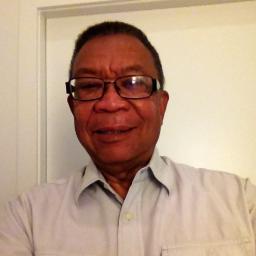
Hector Roman
LMHC
Existential-minded counselor with practical tools
- Stress, Anxiety
- Relationship
- Family

Is this your profile?
Ask us to correct details or take the page down.
Contact us