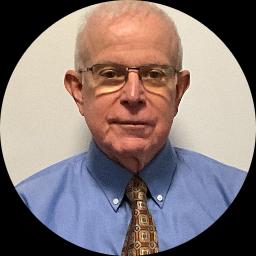
Michael Knapik, LPC, LCMHC
Virginia · 18 years in practice
Michael Knapik is a Licensed Professional Counselor (LPC) and a Licensed Clinical Mental Health Counselor (LCMHC) who brings 18 years of mental health experience to his work.
License and registration
- LPC, Virginia
- 0701005243 · expires June 2027
- LCMHC, Vermont
- 068.0134104 · expires January 2027
- NPI
- 1982907481 · national provider identifier
- Years in practice
- 18
- Languages
- English
Details are as listed on the therapist's public professional profile. You can check the license with the issuing state board, and the NPI with the national registry.
About Michael
Michael Knapik is a Licensed Professional Counselor (LPC) and a Licensed Clinical Mental Health Counselor (LCMHC) who brings 18 years of mental health experience to his work. He offers straightforward, respectful care and focuses on helping people notice and use their own strengths to cope with hard moments.
Michael draws on existential ideas that help people face life’s big questions and find meaning amid struggle. He also uses Acceptance and Commitment Therapy and client-centered methods to help people identify values and take small, practical steps toward them.
Background and approach
Sessions are plainspoken and focused on what matters to each person. He has worked with people managing anxiety, stress, depression, addictions, grief, and trauma. His background includes long experience with end-of-life concerns and hospice work, and he often helps clients cope with caregiver stress, illness, and aging-related challenges.
Michael keeps therapy practical. He helps clients build skills for emotion regulation, improve communication, and address impulsive or self-harming behaviors when they come up. He uses techniques from Cognitive Behavioral Therapy and Dialectical Behavior Therapy when those approaches fit the situation.
Sessions aim to help people find clearer priorities, reduce harmful patterns, and live more in line with their values. Michael works with clients in Vermont and brings a calm, direct style to each session.
Focus areas and approaches
Everything Michael lists on their public professional profile, in their own terms.
- Stress, Anxiety
- Addictions
- Grief
- Anger management
- Coping with life changes
- Relationship issues
- Family conflicts
- Trauma and abuse
- Intimacy-related issues
- Sleeping disorders
- Self esteem
- Bipolar disorder
- Depression
- Compassion fatigue
- Aging and geriatric issues
- Cancer
- Caregiver issues and stress
- Codependency
- Communication problems
- Drug and alcohol addiction
- Forgiveness
- Guilt and shame
- Hospice and end-of-life counseling
- Impulsivity
- Isolation / loneliness
- Life purpose
- Mood disorders
- Panic disorder and panic attacks
- Process addiction (porn, exercise, gambling)
- Self-love
- Social anxiety and phobia
Approaches Michael names
- Existential Therapy
- Acceptance and Commitment Therapy (ACT)
- Client-Centered Therapy
- Cognitive Behavioral Therapy (CBT)
- Dialectical Behavior Therapy (DBT)
- Gottman Method
- Mindfulness Therapy
- Motivational Interviewing
- Narrative Therapy
- Solution-Focused Therapy
Naming an approach is not evidence of training in it. This directory copies what each therapist lists and does not check training records.
Online support
How his approaches shape online work
Existential Therapy helps people name the big questions they face and consider what gives their life meaning. It can be useful when someone is coping with loss, life transitions, or feelings of isolation. Acceptance and Commitment Therapy (ACT) focuses on recognizing thoughts and feelings without getting stuck in them while making choices toward personal values. It often helps with anxiety, depression, and patterns like avoidance. Client-Centered Therapy emphasizes a respectful, nonjudgmental stance that helps people feel heard and understand their own goals.Finding the right approach is part of the work. He will talk with each person about goals, symptoms, and daily life, and together they will try methods that fit. That collaborative process helps tailor sessions so they’re practical and relevant to what the person wants to change.
Online formats include video calls, phone sessions, live chat, and text-based messaging to make therapy more flexible. Video is good for a fuller conversation and nonverbal cues. Phone sessions can be easier when bandwidth is limited or when someone prefers not to be on camera. Chat and text can work well for brief check-ins, tracking progress, or fitting therapy into a busy day.
We will earn a commission if you sign up through our link, at no cost to you. It does not change what you pay or the order of the listings.
Questions people ask
What kinds of concerns can be addressed here?
Michael helps with stress, anxiety, depression, addictions, grief, trauma, sleeping problems, self-esteem, relationship and family concerns, and mood disorders including bipolar and panic symptoms.
How would you describe his therapy style?
He blends existential thinking with acceptance and commitment ideas and client-centered care to help clients name values and take practical steps. Sessions are collaborative and focused on real-life changes.
What is his professional background?
He has 18 years in the mental health field and prior experience as a professional journalist. He also served as a hospice volunteer for many years, which informs his work with end-of-life and caregiver issues.
What credentials and location does he hold?
He is a Licensed Professional Counselor (LPC) in Virginia and a Licensed Clinical Mental Health Counselor (LCMHC) in Vermont and practices in Vermont.
Which languages are supported for sessions?
Sessions are offered in English.
What session formats are available?
Work can be done via video calls, phone sessions, live chat, or text-based messaging depending on the client’s needs and preferences.
How is cost handled?
Cost varies with location and therapist arrangements; sessions use a subscription model that can be canceled at any time.
How do I begin working with him?
Start by selecting the Start Therapy button, completing a short matching questionnaire, and then scheduling according to the therapist’s availability.
More therapists in Vermont
See allMelinda Williams
LMHC, LCMHC
Practical, person-focused mental health support
- Grief
- Self esteem
- Depression

Catherine (Cate) Beaton
LCMHC
Practical, relationship-focused counseling with depth
- Stress, Anxiety
- Trauma and abuse
- Parenting

Dr. Nancy Kenyon Richardson
LCMHC
Compassionate, research-informed therapy for real life
- Addictions
- Relationship
- Trauma and abuse

Jennifer Radler Dobrin
LCMHC
Existential-informed counselor focused on practical change
- Stress, Anxiety
- Addictions
- Relationship

Is this your profile?
Ask us to correct details or take the page down.
Contact us