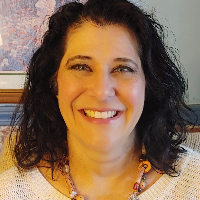
Dr. Nancy Kenyon Richardson, LCMHC
Vermont · 10 years in practice
Dr. Nancy Kenyon Richardson connects with people who are tired of feeling stuck.
License and registration
- LCMHC, Vermont
- 068.0134318 · expires January 2027
- NPI
- 1811362619 · national provider identifier
- Years in practice
- 10
- Languages
- English
Details are as listed on the therapist's public professional profile. You can check the license with the issuing state board, and the NPI with the national registry.
About Nancy
Dr. Nancy Kenyon Richardson connects with people who are tired of feeling stuck. She meets readers where they are and helps them name what feels most urgent.
Her tone is direct and supportive, and she focuses on practical steps that make change feel possible. Dr. Nancy holds a Ph.D. in psychology with a concentration in addiction and a master’s degree in psychology with a counseling concentration.
She has around ten years of clinical experience working with issues like addiction, trauma, anxiety, depression, and relationship struggles.
Background and approach
She also brings research into sessions when it helps explain how behaviors and memories can keep repeating. In practice she mixes straightforward conversation with teaching about how the brain responds to stress and trauma. That often means identifying the past patterns - the “hooks” - that keep coming up and trying different ways to interrupt them.
She uses a variety of approaches to meet people’s needs depending on the concern and moment. Dr. Nancy lives in Vermont and uses methods aimed at recovery, coping, and clearer communication.
She pays attention to how identity and relationships shape daily life, and she works with issues such as parenting strain, grief, body image, and chronic health concerns when those are part of what a person brings. Outside of clinical work she has a long personal history tied to community and family, and she brings that grounded perspective into sessions.
People who want practical explanations for their symptoms and direct strategies to change patterns may find her approach helpful.
Focus areas and approaches
Everything Nancy lists on their public professional profile, in their own terms.
- Addictions
- Relationship issues
- Trauma and abuse
- Parenting issues
- ADHD
- Stress, Anxiety
- LGBT
- Family conflicts
- Grief
- Intimacy-related issues
- Eating disorders
- Anger management
- Self esteem
- Bipolar disorder
- Depression
- Coping with life changes
- Compassion fatigue
- Abandonment
- Adoption and foster care
- Antisocial personality
- Attachment issues
- Autism and Asperger Syndrome
- Avoidant personality
- Blended family issues
- Body image
- Caregiver issues and stress
- Chronic pain, illness, and disability
- Co-morbidity
- Codependency
- Communication problems
- Control issues
- Coping with natural or human-caused disaster
- Dependent personality
- Disruptive Mood Dysregulation Disorder (DMDD)
- Dissociation
- Divorce and separation
- Domestic violence
- Drug and alcohol addiction
- Family of origin issues
- Family problems
- Forgiveness
- Gender dysphoria
- Guilt and shame
- Hospice and end-of-life counseling
- Impulsivity
- Infidelity
- Mood disorders
- Multicultural concerns
- Narcissism
- Obsessions, compulsions, and OCD
- Panic disorder and panic attacks
- Paranoia
- Personality disorders
- Phobias
- Postpartum depression
- Post-traumatic stress
- Pregnancy and childbirth
- Prejudice and discrimination
- Seasonal Affective Disorder (SAD)
- Self-harm
- Self-love
- Sexual assault and abuse
- Sexuality
- Women's issues
- Young adult issues
Approaches Nancy names
- Existential Therapy
- Client-Centered Therapy
- Cognitive Behavioral Therapy (CBT)
- Dialectical Behavior Therapy (DBT)
- Eye Movement Desensitization and Reprocessing (EMDR)
- Gottman Method
- Mindfulness Therapy
- Motivational Interviewing
- Narrative Therapy
- Solution-Focused Therapy
- Trauma-Focused Therapy
Naming an approach is not evidence of training in it. This directory copies what each therapist lists and does not check training records.
Online support
How her approaches guide online care
Dr. Nancy commonly draws on Existential Therapy, Client-Centered Therapy, and Cognitive Behavioral Therapy in her work. Existential Therapy looks at meaning, choice, and the challenges of living, which can help when people feel lost after big life changes. Client-Centered Therapy centers the person’s own goals and experiences, offering listening and reflection to help someone clarify what they want. Cognitive Behavioral Therapy (CBT) focuses on the links between thoughts, feelings, and actions and offers concrete skills for managing anxiety, mood, and unhelpful behavior.Finding the right approach is a collaborative process. The therapist will talk with each person about their goals and preferences and may try different methods to see what fits best. That team effort helps tailor sessions to immediate needs like coping with cravings, addressing trauma symptoms, or improving communication.
Online formats include video calls, phone sessions, live chat, and text-based messaging, which give flexibility for different schedules and needs. Video sessions are useful for face-to-face conversation and teaching about how the brain works. Phone sessions can be simpler when bandwidth is low or a check-in needs to be brief. Live chat and text messaging are handy for shorter check-ins, ongoing support between sessions, or when someone prefers not to be on camera. Together, these options make it easier to keep therapy consistent around work, family, and other demands.
We will earn a commission if you sign up through our link, at no cost to you. It does not change what you pay or the order of the listings.
Questions people ask
What kinds of concerns does Dr. Nancy address?
She works with a broad range of concerns including addictions, trauma and abuse, anxiety, depression, relationship and intimacy issues, parenting strain, grief, eating concerns, and stress-related problems.
How would you describe her therapeutic style?
Her style blends direct conversation with education about how the brain and trauma affect behavior. Sessions often focus on identifying patterns and trying practical steps to change them.
What is her professional background?
She holds a Ph.D. in psychology with a concentration in addiction and a master’s degree in psychology with a counseling concentration, and she has about ten years of clinical experience.
Where is she based and what credentials does she hold?
She practices in Vermont and is listed as an LCMHC, which stands for Licensed Clinical Mental Health Counselor.
Can I work with her if I live outside the United States?
Sessions are offered in English and she is not accepting international clients at this time.
What session formats are available?
She offers video calls, phone sessions, live chat, and text-based messaging to fit different schedules and needs.
How are costs handled for sessions?
Cost varies with location and therapist availability; sessions are provided through a subscription model that can be canceled at any time.
How do I begin if I want to try therapy with her?
Use the Start Therapy button, complete a short matching questionnaire, and then schedule sessions according to the therapist's availability.
More therapists in Vermont
See allMelinda Williams
LMHC, LCMHC
Practical, person-focused mental health support
- Grief
- Self esteem
- Depression

Catherine (Cate) Beaton
LCMHC
Practical, relationship-focused counseling with depth
- Stress, Anxiety
- Trauma and abuse
- Parenting
Jennifer Radler Dobrin
LCMHC
Existential-informed counselor focused on practical change
- Stress, Anxiety
- Addictions
- Relationship

Michael Knapik
LPC, LCMHC
Compassionate counselor focused on meaning and practical change
- Stress, Anxiety
- Addictions
- Grief
Is this your profile?
Ask us to correct details or take the page down.
Contact us