
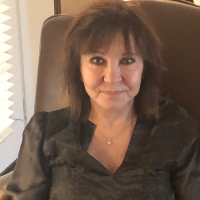
Pamela Phipps, LPC
Mississippi · 5 years in practice
Pamela Phipps is a licensed professional counselor (LPC) based in Mississippi.
License and registration
- LPC, Mississippi
- 2671 · expires June 2026
- NPI
- 1265018782 · national provider identifier
- Years in practice
- 5
- Languages
- English
Details are as listed on the therapist's public professional profile. You can check the license with the issuing state board, and the NPI with the national registry.
About Pamela
Pamela Phipps is a licensed professional counselor (LPC) based in Mississippi. She has five years of clinical experience and supports adults navigating stress, anxiety, addiction, grief, depression, and major life changes. Pamela works with people who have faced trauma, homelessness, or crises and helps them find practical steps forward.
Her background includes working with at-risk groups such as veterans, people struggling with substance use, and incarcerated men. That hands-on work shaped how she approaches complicated challenges like self-injury, serious mental illness, antisocial personality concerns, and co-occurring conditions.
Background and approach
She also addresses relationship strain, parenting stress, sleeping problems, anger, and issues with self-esteem. Pamela uses a collaborative style. She treats therapy as a team effort where the person sets goals and she helps build a plan to reach them.
She draws on several well-known approaches and adapts methods to fit each person's needs and pace. Sessions focus on concrete steps and coping tools as well as on meaning and choices when life feels uncertain. Pamela aims to create a trustworthy space for people to talk honestly about pain, loss, or confusion.
She encourages small, manageable changes that add up over time. People who work with her can expect straightforward communication and a focus on practical strategies. Pamela invites those who are ready to begin to take the next step toward clearer priorities and better daily coping.
Focus areas and approaches
Everything Pamela lists on their public professional profile, in their own terms.
- Stress, Anxiety
- Addictions
- Trauma and abuse
- Grief
- Depression
- Relationship issues
- Family conflicts
- Sleeping disorders
- Parenting issues
- Anger management
- Self esteem
- Bipolar disorder
- Coping with life changes
- Antisocial personality
- Blended family issues
- Caregiver issues and stress
- Co-morbidity
- Codependency
- Communication problems
- Control issues
- Divorce and separation
- Drug and alcohol addiction
- Forgiveness
- Guilt and shame
- Impulsivity
- Infidelity
- Life purpose
- Veteran and Armed Forces Issues
- Money and financial issues
- Mood disorders
- Obsessions, compulsions, and OCD
- Panic disorder and panic attacks
- Personality disorders
- Phobias
- Postpartum depression
- Post-traumatic stress
- Seasonal Affective Disorder (SAD)
- Self-harm
- Sexual assault and abuse
- Social anxiety and phobia
- Traumatic brain injury
- Young adult issues
Approaches Pamela names
- Existential Therapy
- Client-Centered Therapy
- Cognitive Behavioral Therapy (CBT)
- Dialectical Behavior Therapy (DBT)
- Eye Movement Desensitization and Reprocessing (EMDR)
- Mindfulness Therapy
- Motivational Interviewing
- Solution-Focused Therapy
Naming an approach is not evidence of training in it. This directory copies what each therapist lists and does not check training records.
Online support
How therapeutic approaches translate to online care
Existential Therapy focuses on questions about meaning, choice, and values. In brief sessions this can mean talking about what matters now, how to face uncertainty, and how to make decisions that fit a person's life. Client-Centered Therapy centers the person's experience and goals; the therapist listens closely and mirrors what the person says so they feel heard and can find their own solutions. Cognitive Behavioral Therapy (CBT) looks at the link between thoughts, feelings, and actions and teaches practical skills to change unhelpful patterns, which often helps with anxiety, depression, and stress.Choosing an approach is a shared process. The therapist will ask about your needs, goals, and what has helped or not helped before. Together you will try methods that match your preferences and adjust the plan as you go so the work feels useful and realistic.
Online sessions via video, phone, live chat, or text-based messaging make it easier to fit therapy into busy days. Video calls allow face-to-face conversation, phone sessions can be simpler when bandwidth is limited, and messaging or live chat can be useful for short check-ins or when typing feels easier. These formats offer flexibility for scheduling, quicker ways to follow up between sessions, and different options to match how you prefer to communicate.
We will earn a commission if you sign up through our link, at no cost to you. It does not change what you pay or the order of the listings.
Questions people ask
What concerns does Pamela commonly address?
She helps people with stress, anxiety, depression, addiction, trauma and grief. She also works on relationship strain, parenting stress, sleeping problems, and life transitions.
What is her therapeutic style like?
Her style is collaborative and grounded in trust. She combines a focus on meaning with practical tools to help people meet their goals.
What kind of experience does she have?
Pamela has five years of experience working with adults, including veterans, people facing homelessness, those with substance use struggles, and individuals involved in the criminal justice system.
What credentials and location are listed for Pamela?
She holds an MS and is a licensed professional counselor (LPC) practicing in Mississippi.
Which languages are supported for sessions?
Sessions are offered in English.
How are sessions offered online?
She meets by video calls, phone sessions, live chat, or text-based messaging to provide flexibility for different needs and schedules.
How does cost and billing work?
Costs vary with location and therapist availability. Sessions use a subscription model that can be canceled at any time.
How do I start therapy with her?
Begin by selecting the Start Therapy button, completing a short matching questionnaire, and scheduling a session based on therapist availability.
More therapists in Mississippi
See allRoslyn Smith
LPC
Calm, practical guidance for everyday struggles
- Stress, Anxiety
- Addictions
- Trauma and abuse

Dr. Ricardo Gillispie, PhD, LCSW
Experienced social worker blending reflection and skills
- Stress, Anxiety
- Relationship
- Self esteem

Janice McDermott
LCSW
Compassionate guidance for life transitions
- Stress, Anxiety
- Grief
- Intimacy-related issues

Is this your profile?
Ask us to correct details or take the page down.
Contact us