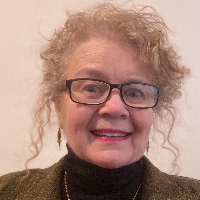
Sara Tinker, LCSW
Tennessee · 26 years in practice
Sara Tinker is a licensed clinical social worker with 26 years of experience.
License and registration
- LCSW, Tennessee
- 1046 · expires April 2028
- NPI
- 1578905204 · national provider identifier
- Years in practice
- 26
- Languages
- English
Details are as listed on the therapist's public professional profile. You can check the license with the issuing state board, and the NPI with the national registry.
About Sara
Sara Tinker is a licensed clinical social worker with 26 years of experience. She focuses on helping people who are stressed, anxious, grieving, or facing relationship and intimacy concerns. Her approach is warm and interactive, and she aims to build trust so clients can talk about what matters most.
Sara uses a mix of practical conversation and relationship-focused work. She draws on Existential therapy to help people find meaning during life changes.
Background and approach
Attachment-based ideas guide sessions about how early bonds shape current relationships. Client-centered methods keep the conversation focused on each person's needs and values. Her background includes work in community mental health, adolescent psychiatric care, and independent practice begun in the 1990s.
She has helped people with trauma, addiction, mood disorders, chronic pain, and family stress. That range informs how she tailors sessions to each person’s situation. Sara also brings body-focused training and trauma tools into her work.
These elements are used alongside talk therapy to address how stress and painful memories show up in the body. She emphasizes coping skills, clearer communication, and stronger boundaries as concrete goals. Sessions are collaborative and paced to each person.
Sara treats people with respect and aims to build on strengths and hopes. She guides practical steps toward better sleep, healthier relationships, reduced anxiety, and more satisfying day-to-day life.
Focus areas and approaches
Everything Sara lists on their public professional profile, in their own terms.
- Stress, Anxiety
- Relationship issues
- Trauma and abuse
- Self esteem
- Depression
- Addictions
- LGBT
- Family conflicts
- Grief
- Intimacy-related issues
- Sleeping disorders
- Parenting issues
- Anger management
- Bipolar disorder
- Coping with life changes
- Compassion fatigue
- Abandonment
- Attachment issues
- Avoidant personality
- BDSM, kink, and alternative sex culture
- Blended family issues
- Body image
- Caregiver issues and stress
- Chronic pain, illness, and disability
- Co-morbidity
- Codependency
- Commitment issues
- Communication problems
- Control issues
- Coping with natural or human-caused disaster
- Dependent personality
- Disruptive Mood Dysregulation Disorder (DMDD)
- Dissociation
- Divorce and separation
- Domestic violence
- Drug and alcohol addiction
- Eating and food-related issues
- Emptiness
- Family of origin issues
- Family problems
- First responder issues
- Forgiveness
- Gender dysphoria
- Guilt and shame
- Impulsivity
- Infidelity
- Isolation / loneliness
- Jealousy
- Life purpose
- Midlife crisis
- Veteran and Armed Forces Issues
- Mood disorders
- Narcissism
- Obsessions, compulsions, and OCD
- Panic disorder and panic attacks
- Paranoia
- Personality disorders
- Phobias
- Postpartum depression
- Post-traumatic stress
- Pregnancy and childbirth
- Prejudice and discrimination
- Process addiction (porn, exercise, gambling)
- Self-harm
- Self-love
- Sex addiction
- Sexual assault and abuse
- Sexuality
- Social anxiety and phobia
- Somatization
- Trichotillomania
- Women's issues
- Workplace issues
- Young adult issues
Approaches Sara names
- Existential Therapy
- Attachment-Based Therapy
- Client-Centered Therapy
- Dialectical Behavior Therapy (DBT)
- Emotionally-Focused Therapy (EFT)
- Eye Movement Desensitization and Reprocessing (EMDR)
- Mindfulness Therapy
- Motivational Interviewing
- Narrative Therapy
- Psychodynamic Therapy
- Solution-Focused Therapy
- Somatic Therapy
- Trauma-Focused Therapy
Naming an approach is not evidence of training in it. This directory copies what each therapist lists and does not check training records.
Online support
How Sara’s approaches translate to online therapy
Existential therapy helps people face big life questions and find meaning during transitions or loss; it encourages honest reflection about values, choices, and purpose. Attachment-based work looks at how early patterns of connection affect current relationships and helps people build more supported and workable ways of relating. Client-centered therapy keeps the session focused on the person’s experience, listening closely and adjusting pace and topics to what the client needs.Choosing a therapeutic approach is a collaborative process. Sara will work together with each person to see what fits best for their goals, history, and comfort level. That may mean trying a few ideas, adapting techniques, and checking in often to make sure the work feels useful and relevant.
Online therapy offers flexible ways to meet. Video calls allow face-to-face conversation when visual cues matter. Phone sessions can be simpler when bandwidth is low or when a shorter check-in is needed. Live chat and text-based messaging provide quick, ongoing contact between sessions for brief updates or skill practice. These options make it easier to fit therapy into work, school, or caregiving schedules while keeping the focus on meaningful progress.
We will earn a commission if you sign up through our link, at no cost to you. It does not change what you pay or the order of the listings.
Questions people ask
What kinds of concerns does Sara help with?
She works with stress, anxiety, depression, trauma and abuse, relationship and intimacy issues, grief, addictions, and many related concerns such as parenting strain, chronic pain, body image, and caregiving stress.
What is her therapeutic style like?
Her style is warm, interactive, and focused on building a trusting relationship. She blends talk-focused work with practical skills to address emotional and relational problems.
How much clinical experience does she have?
She has 26 years of clinical experience working in community mental health, adolescent psychiatric settings, and independent practice.
What are her credentials and where is she based?
She holds an LCSW credential and is licensed in Tennessee.
Which languages are supported for sessions?
Sessions are offered in English.
What session formats are available online?
Sessions can be scheduled as video calls, phone sessions, live chat, or text-based messaging.
How does payment and cost work?
Cost varies with location and therapist matching; sessions use a subscription model that can be canceled at any time.
How do I begin therapy with her?
Start by selecting the Start Therapy button, complete the short matching questionnaire, and then schedule sessions based on therapist availability.
More therapists in Tennessee
See all
Janet Ferrell
LPC
Experienced counselor focusing on practical change and meaning
- Addictions
- Family
- Grief
Ace Glaspy
LPC
Existential-minded counselor focused on practical change
- Stress, Anxiety
- Trauma and abuse
- Anger


Is this your profile?
Ask us to correct details or take the page down.
Contact us