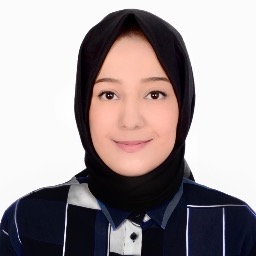
Seyma Gungor, BACP
5 years in practice
Seyma Gungor brings an existential perspective to therapy, helping people make sense of life changes and find meaning in difficult moments.
License and registration
- BACP
- 387168 · expires January 2027
- Years in practice
- 5
- Languages
- English, Turkish
Details are as listed on the therapist's public professional profile. You can check the registration with the body that granted it.
About Seyma
Seyma Gungor brings an existential perspective to therapy, helping people make sense of life changes and find meaning in difficult moments. She combines that outlook with practical methods to address day-to-day problems like anxiety, low mood, stress and relationship strain. Seyma uses clear, down-to-earth language and aims to make sessions easy to follow for someone juggling work and family.
Seyma trained in mental health counselling and holds an MSc in Mental Health Counselling.
Background and approach
She is a member of the British Association for Counsellors and Psychotherapists (BACP). Her background includes both individual and group work across a range of settings in the United Kingdom and previously in the United States. In sessions she draws on client-centred ideas to listen closely to what matters to each person.
Cognitive Behavioural Therapy techniques are used to spot unhelpful thinking and try small behaviour changes. Attachment-based thinking helps when people are coping with relationship or abandonment issues. She also supports people facing grief, trauma and addiction concerns, and those juggling chronic physical illness or caregiver strain.
Work can include tackling compulsive behaviours, improving sleep, or managing strong emotions like anger and shame. Seyma has experience with co-occurring difficulties such as bipolar disorder and ADHD. Seyma offers therapy in English and Turkish and sees people in the United Kingdom as well as international clients.
Sessions are available by video call, phone, live chat or text messaging. Getting started involves a short matching questionnaire and booking a session that fits the client’s schedule.
Focus areas and approaches
Everything Seyma lists on their public professional profile, in their own terms.
- Stress, Anxiety
- Relationship issues
- Family conflicts
- Self esteem
- Coping with life changes
- Addictions
- Trauma and abuse
- Grief
- Intimacy-related issues
- Sleeping disorders
- Parenting issues
- Anger management
- Career difficulties
- Bipolar disorder
- Depression
- Compassion fatigue
- ADHD
- Abandonment
- Attachment issues
- Autism and Asperger Syndrome
- Blended family issues
- Body image
- Cancer
- Caregiver issues and stress
- Chronic pain, illness, and disability
- Co-morbidity
- Commitment issues
- Communication problems
- Dependent personality
- Disruptive Mood Dysregulation Disorder (DMDD)
- Divorce and separation
- Domestic violence
- Eating and food-related issues
- Emptiness
- Family of origin issues
- Family problems
- Forgiveness
- Guilt and shame
- Impulsivity
- Isolation / loneliness
- Life purpose
- Midlife crisis
- Mood disorders
- Multicultural concerns
- Narcissism
- Obsessions, compulsions, and OCD
- Panic disorder and panic attacks
- Personality disorders
- Phobias
- Postpartum depression
- Post-traumatic stress
- Pregnancy and childbirth
- Prejudice and discrimination
- Seasonal Affective Disorder (SAD)
- Sexual dysfunction
- Social anxiety and phobia
- Trichotillomania
- Women's issues
- Workplace issues
- Young adult issues
Approaches Seyma names
- Existential Therapy
- Attachment-Based Therapy
- Client-Centered Therapy
- Cognitive Behavioral Therapy (CBT)
- Emotionally-Focused Therapy (EFT)
- Mindfulness Therapy
- Motivational Interviewing
- Narrative Therapy
- Solution-Focused Therapy
- Trauma-Focused Therapy
Naming an approach is not evidence of training in it. This directory copies what each therapist lists and does not check training records.
Online support
Therapeutic approaches and how they work online
Existential Therapy helps people consider life choices, personal values and meaning when they face big changes or feel stuck. It focuses on questions about identity, purpose and how to live with uncertainty, which can help with grief, major life transitions and feelings of emptiness.Attachment-Based Therapy looks at how early relationships influence current connection patterns and emotional responses. It can be useful for people who struggle with trust, abandonment fears or repeated relationship problems, helping them notice patterns and try different ways of relating.
Finding the right mix of approaches is part of the work. The therapist will discuss goals and preferences, then suggest methods to try together. This is a collaborative process and adjustments are made as progress is seen or priorities change.
Online formats offer practical flexibility. Video calls let people speak face to face when schedules or distance make in-person meetings hard. Phone sessions use less bandwidth and can fit into a work break or a quick check-in. Live chat and text messaging are useful for brief updates, ongoing support between sessions, or when writing feels easier than speaking. These options help make regular therapy more achievable for busy lives.
We will earn a commission if you sign up through our link, at no cost to you. It does not change what you pay or the order of the listings.
Questions people ask
What kinds of concerns can be talked about?
Seyma works with a wide range of issues including stress, anxiety, depression, relationship and family concerns, addiction, trauma and grief. She also supports people dealing with sleep problems, career stress, self-esteem and parenting worries.
How would she describe her therapy style?
Her approach combines existential ideas with client-centred listening and practical CBT tools. Sessions tend to balance understanding life meaning with concrete steps to reduce distress.
What experience does she bring?
Seyma has five years of practice working in the UK and previously in the US, offering individual and group work across community and therapeutic settings.
What credentials and location are listed?
She holds an MSc in Mental Health Counselling and is a member of the British Association for Counsellors and Psychotherapists (BACP). She is based in the United Kingdom.
Which languages are supported for sessions?
Sessions are offered in English and Turkish.
Can people outside the UK work with her?
She accepts international clients and can work with people based outside the United Kingdom.
What session formats are available?
Therapy is offered by video call, phone sessions, live chat, or text-based messaging to suit different schedules and needs.
How does the cost and process work?
Cost varies with location and therapist availability and sessions use a subscription that can be cancelled at any time. To begin, select the Start Therapy button, complete a short matching questionnaire, and schedule according to therapist availability.
Is this your profile?
Ask us to correct details or take the page down.
Contact us