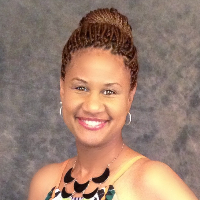
Tiffany Morgan, LPC
Texas · 20 years in practice
Tiffany Morgan is a Licensed Professional Counselor (LPC) in Texas who helps people facing stress, anxiety, depression, and life transitions.
License and registration
- LPC, Texas
- 60171 · expires March 2026
- NPI
- 1255506606 · national provider identifier
- Years in practice
- 20
- Languages
- English
Details are as listed on the therapist's public professional profile. You can check the license with the issuing state board, and the NPI with the national registry.
About Tiffany
Tiffany Morgan is a Licensed Professional Counselor (LPC) in Texas who helps people facing stress, anxiety, depression, and life transitions. She speaks plainly and focuses on practical steps people can use right away. Her approach aims to meet people where they are and build from there.
With 20 years of experience, Tiffany draws on several therapy styles to fit each person's needs. She uses Existential ideas to look at meaning and values when life feels off course.
Background and approach
She also uses Client-Centered methods to listen closely and give space for each person to set the pace. Cognitive Behavioral Therapy (CBT) is used when changing thoughts and behaviors can ease symptoms.
Tiffany works with a wide range of concerns including relationship strain, trauma and abuse, parenting stress, grief, anger, workplace problems, mood disorders such as bipolar, and issues around adoption and blended families. She also supports people dealing with body image, self-esteem, caregiver stress, ADHD, and the challenges young adults face. In sessions she focuses on collaboration and practical tools.
She helps people identify clearer goals, practice coping skills, and try small changes between meetings. She aims to create a nonjudgmental space where people can speak honestly and test new ways of handling problems. Therapy is shaped around each person's life circumstances and goals.
Tiffany encourages steady progress and practical strategies rather than quick fixes. She works by listening first, then helping people build habits that support lasting change.
Focus areas and approaches
Everything Tiffany lists on their public professional profile, in their own terms.
- Stress, Anxiety
- Relationship issues
- Trauma and abuse
- Self esteem
- Depression
- Family conflicts
- Grief
- Parenting issues
- Anger management
- Career difficulties
- Bipolar disorder
- Coping with life changes
- Coaching
- ADHD
- Adoption and foster care
- Blended family issues
- Body image
- Caregiver issues and stress
- Communication problems
- Control issues
- Family of origin issues
- Family problems
- Mood disorders
- Self-love
- Workplace issues
- Young adult issues
Approaches Tiffany names
- Existential Therapy
- Client-Centered Therapy
- Cognitive Behavioral Therapy (CBT)
- Dialectical Behavior Therapy (DBT)
- Motivational Interviewing
- Psychodynamic Therapy
- Solution-Focused Therapy
- Trauma-Focused Therapy
Naming an approach is not evidence of training in it. This directory copies what each therapist lists and does not check training records.
Online support
How therapeutic approaches fit into online care
Tiffany combines Existential Therapy, Client-Centered Therapy, and Cognitive Behavioral Therapy to help people online. Existential Therapy focuses on meaning, values, and life choices and can help when someone feels stuck or unsure about direction. Client-Centered Therapy centers the persons own perspective; the therapist listens without judgment and supports each persons autonomy. Cognitive Behavioral Therapy (CBT) looks at the connections between thoughts, feelings, and actions and offers simple exercises to reduce anxiety or depressive symptoms.Finding the right approach is part of the work. Tiffany aims to learn about goals, strengths, and everyday routines, and then she and the person decide together which methods to use. That collaborative process lets the approach shift over time as needs change.
Online therapy can make it easier to fit sessions into a busy life. Video calls allow a face-to-face conversation when visual connection matters. Phone sessions use less bandwidth and can be a good option for a focused check-in. Live chat and text-based messaging work well for brief check-ins, tracking progress between sessions, or getting support when writing feels easier than speaking. These options make it simpler to keep therapy consistent while balancing work, family, and daily responsibilities.
We will earn a commission if you sign up through our link, at no cost to you. It does not change what you pay or the order of the listings.
Questions people ask
What kinds of concerns does Tiffany address?
She helps with stress, anxiety, depression, relationship strain, trauma and abuse, parenting challenges, grief, anger, bipolar mood issues, and related life changes.
How would you describe her therapy style?
She takes a collaborative, down-to-earth approach that combines Existential thinking, Client-Centered listening, and practical CBT and DBT skills when useful.
How long has she been practicing?
She brings 20 years of clinical experience working with people facing a wide range of emotional and life concerns.
Where is she licensed and based?
She is a Licensed Professional Counselor (LPC) in Texas and provides services from that state.
Which languages are supported for sessions?
Sessions are offered in English.
Can people from other countries work with her?
She does not accept international clients at this time.
What formats are available for sessions?
Therapy is offered via video calls, phone sessions, live chat, and text-based messaging.
How are sessions scheduled and paid for?
Cost varies with location and therapist availability; sessions use a subscription that can be canceled at any time, and you begin by completing a short matching questionnaire then scheduling.
More therapists in Texas
See allMaddisson Elizardo
LPC
Practical, values-focused counseling in Texas
- Stress, Anxiety
- Addictions
- Relationship


April Nance
LPC
Compassionate counselor focused on meaning and change
- Stress, Anxiety
- Addictions
- Trauma and abuse

Daffney Tchassem
LCSW
Practical support for life's difficult moments
- Stress, Anxiety
- Relationship
- Family

Is this your profile?
Ask us to correct details or take the page down.
Contact us