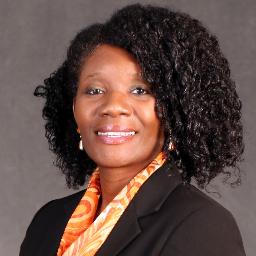
Dr. Valerie McGaha, LPC
Oklahoma · 21 years in practice
Dr. Valerie McGaha is a licensed professional counselor with 21 years of experience helping people who feel overwhelmed by stress, anxiety, depression, and addiction.
License and registration
- LPC, Oklahoma
- LPC04174 · expires June 2026
- NPI
- 1376778308 · national provider identifier
- Years in practice
- 21
- Languages
- English
Details are as listed on the therapist's public professional profile. You can check the license with the issuing state board, and the NPI with the national registry.
About Valerie
Dr. Valerie McGaha is a licensed professional counselor with 21 years of experience helping people who feel overwhelmed by stress, anxiety, depression, and addiction. She focuses on practical steps to reduce symptoms and reconnect with what matters.
Her work aims to restore energy, confidence, and a clearer sense of direction. Her approach begins with listening closely to a person's story and current struggles. She looks for patterns that trap people in the same responses.
Background and approach
Then she uses conversational techniques to build awareness and spot small, achievable changes. She combines ideas from existential therapy with cognitive and acceptance-based methods. That means she helps people face uncomfortable feelings, find personal meaning, and make choices that match their values.
She also uses attachment-focused work to address how past relationships affect current ones. Clients commonly bring concerns about relationships, family conflict, communication problems, and issues tied to addiction or substance use. Dr.
McGaha also addresses grief, shame, guilt, and long-term health challenges such as cancer or HIV/AIDS. She works to strengthen decision-making and self-compassion. Sessions are conversational and down-to-earth.
People can expect clear, practical feedback and skills to try between meetings. The goal is steady progress toward daily routines and relationships that feel more manageable and meaningful. She practices in Oklahoma and conducts therapy in English.
Dr. McGaha frames change as a collaborative process and helps people find the next right step for their life.
Focus areas and approaches
Everything Valerie lists on their public professional profile, in their own terms.
- Stress, Anxiety
- Addictions
- Relationship issues
- Family conflicts
- Depression
- Abandonment
- Antisocial personality
- Attachment issues
- Avoidant personality
- Blended family issues
- Cancer
- Communication problems
- Domestic violence
- Drug and alcohol addiction
- Family of origin issues
- Family problems
- Forgiveness
- Guilt and shame
- HIV / AIDS
- Hoarding
- Hospice and end-of-life counseling
- Immigration issues
- Infidelity
- Jealousy
- Men's issues
- Veteran and Armed Forces Issues
- Mood disorders
- Multicultural concerns
- Paranoia
- Personality disorders
- Postpartum depression
- Prejudice and discrimination
- Process addiction (porn, exercise, gambling)
- Seasonal Affective Disorder (SAD)
- Self-harm
- Sex addiction
- Sexual assault and abuse
- Sexual dysfunction
- Women's issues
Approaches Valerie names
- Existential Therapy
- Acceptance and Commitment Therapy (ACT)
- Attachment-Based Therapy
- Client-Centered Therapy
- Cognitive Behavioral Therapy (CBT)
- Dialectical Behavior Therapy (DBT)
- Emotionally-Focused Therapy (EFT)
- Eye Movement Desensitization and Reprocessing (EMDR)
- Gottman Method
- Mindfulness Therapy
- Motivational Interviewing
- Narrative Therapy
- Psychodynamic Therapy
- Solution-Focused Therapy
- Somatic Therapy
- Trauma-Focused Therapy
Naming an approach is not evidence of training in it. This directory copies what each therapist lists and does not check training records.
Online support
Therapeutic approaches that translate well online
Dr. McGaha uses Existential Therapy to help people examine meaning, purpose, and the choices that shape their lives. This approach focuses on what matters most and can help when someone feels stuck, numb, or unsure about their direction.She also draws on Acceptance and Commitment Therapy, or ACT, which teaches practical ways to notice difficult thoughts and feelings while committing to actions that reflect personal values. ACT can be useful for anxiety, stress, and long-term behavior change.
Attachment-Based Therapy is another strand of her work. It looks at how early relationships influence current patterns in close connections and communication. This helps people improve trust, boundaries, and emotional responsiveness in relationships.
Finding the right mix of approaches is a collaborative process. The therapist and client will talk about goals, try techniques, and adjust the plan based on what actually helps. Clients are invited to be active partners in choosing methods that fit their needs and preferences.
Online therapy offers flexibility through video calls, phone sessions, live chat, and text-based messaging. Video is useful for a full conversational session, phone can work when bandwidth is low, live chat can provide a shorter check-in, and text allows ongoing support between meetings. These options make it easier to fit therapy into work, caregiving, or other routines.
We will earn a commission if you sign up through our link, at no cost to you. It does not change what you pay or the order of the listings.
Questions people ask
What issues does Dr. McGaha address?
She works with stress, anxiety, depression, addictions, relationship and family concerns. Additional areas include grief, shame, communication problems, and challenges related to chronic illness.
How would you describe her therapy style?
Her style is conversational and direct, with attention to meaning and daily choices. She mixes practical skills with reflection about values and relationships.
How much clinical experience does she have?
Dr. McGaha has 21 years of experience working with people facing mental health and co-occurring challenges.
What credential does she hold and where does she practice?
She is an LPC, which stands for Licensed Professional Counselor, and she practices in Oklahoma.
Which languages are supported?
Sessions are offered in English.
What formats are available for sessions?
She meets via video calls, phone sessions, live chat, and text-based messaging to fit different needs and schedules.
How does payment and cost work?
Cost varies with location and therapist availability; sessions are arranged through a subscription model that can be canceled at any time.
What steps are needed to begin therapy?
Start by selecting the Start Therapy button, complete a short matching questionnaire, and then schedule sessions according to therapist availability.
More therapists in Oklahoma
See allKevin Rogers
LPC
Practical, values-focused therapy for everyday life
- Stress, Anxiety
- Anger
- Self esteem

Jacob "Jake" Willard
LPC
Gentle, reflective counseling for personal growth
- Stress, Anxiety
- Relationship
- Family

Talina Davisenn
LPC
Meaning-focused counseling for relationship and identity concerns
- LGBT
- Relationship
- Family

Candice Hart
LPC
Existential and practical therapy for life changes
- Stress, Anxiety
- Trauma and abuse
- Self esteem
Is this your profile?
Ask us to correct details or take the page down.
Contact us