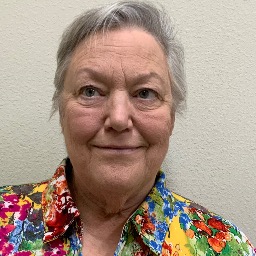
Kevin Rogers
LPC
Practical, values-focused therapy for everyday life
- Stress, Anxiety
- Anger
- Self esteem
Clinical social work directory
49 therapists in this directory hold a licence issued in Oklahoma and name existential therapy among their approaches. Sessions are online; a US therapist can usually only see people in a state where they hold a licence, so check the credentials panel on each profile.
Welcome to our directory of online therapists serving Oklahoma. All therapists listed here are licensed to practice in Oklahoma; explore profiles to compare approaches, focus areas, credentials, languages, and experience.
LPC
Practical, values-focused therapy for everyday life
LPC
Gentle, reflective counseling for personal growth
LPC
Meaning-focused counseling for relationship and identity concerns
LPC
Existential and practical therapy for life changes
LPC
Guiding practical change with thoughtful care
LPC
Hope-focused counselor with addiction recovery experience
LMFT
Practical, meaning-focused therapy for daily struggles
LPC
Calm, direct counseling for real-life struggles
LPC
Experienced counselor helping people find direction
LPC
Helping people find direction and practical change
LPC
Calm, practical therapy for life transitions
LPC
A warm, practical counselor who values dignity
LPC
Helping people build connection and self-understanding
LCSW
Compassionate, pragmatic therapy for life changes
LPC
Practical, values-focused counseling for adults
LPC
Practical, goal-focused counseling with a conversational style
LPC
Gentle, practical therapy for life changes
LPC
Compassionate counselor guiding practical change
LPC
Compassionate counselor with long-term experience
LPC
Finding purpose and practical coping together
LPC
Compassionate counselor focused on practical change
LPC
Practical guidance for stressful life moments
LPC
Compassionate counselor focused on life transitions
LPC
Practical, person-focused counseling for life challenges
LPC
Compassionate, experienced therapist focused on practical growth
LMFT
Relationship-focused therapist with practical guidance
LPC
Calm, practical support for life's hardest moments
LCSW
Practical support for stress and life changes
LCSW
Practical support for relationship and life challenges
LMFT
Practical, person-centered therapy with an existential view
LPC
Practical, experienced counseling for life challenges
LPC
Compassionate counselor focused on meaningful change
LPC
Compassionate counselor focusing on practical change
LPC
Compassionate, practical help for life transitions
LCMHC, LMHC
Compassionate guidance for meaningful change
LCSW
Existential-minded therapist focused on practical change
Some links on this page are partner links. We will earn a commission if you sign up through one, at no cost to you. It does not change what you pay or the order of the listings.
If you live in Oklahoma, online therapy has become a commonly used option for people seeking counseling, coaching, or psychotherapy. Licensed clinicians offer services remotely so you can connect from home, a workplace break room, or another quiet setting that works for you. Regulations differ by state, and Oklahoma has frameworks that guide how licensed mental health professionals may provide services at a distance. That framework affects the types of professionals you will see listed, the language they use in their profiles, and the practical details they may share about their approach to remote work.
When you look through profiles, you will find a variety of license types and professional titles. Some profiles are written by psychologists, some by licensed professional counselors, some by licensed clinical social workers, and others by counselors with licenses specific to substance use or marriage and family practice. Each profile typically lists the clinician's education, license type, approaches they use, and the populations they describe working with. You can use those details to identify clinicians who discuss the issues and therapeutic styles that align with what you are seeking.
It helps to remember that licensing rules are tied to state boundaries. Because of that, therapists who offer online services in Oklahoma will indicate that they are licensed to practice in the state. If you plan to be traveling or relocating, you should consider how state licensing may affect your ability to continue with the same clinician across state lines. Profiles often include the state license information you need to confirm whether a clinician is licensed in Oklahoma.
Online therapy can reduce the friction of getting help, especially if you live in a rural part of Oklahoma where in-person options may require long drives. By connecting remotely you reduce travel time and can access a wider range of therapeutic approaches and language matches. If your schedule is constrained by work, caregiving, or school, remote sessions can fit into your life more easily than a commute to an office. You may also find it simpler to maintain consistency when life circumstances change, for example if you move within the state or have shifting work hours.
Another advantage is the chance to focus primarily on the working relationship and the therapist's ways of approaching problems. You can prioritize communication style, cultural competence, language ability, and therapeutic orientation when reviewing profiles. Many clinicians describe particular populations they work with and the concerns they address, making it easier for you to identify practitioners who speak to your needs. If you use assistive technology or mobility aids, remote sessions can also remove some physical barriers that might exist at an office location.
To make the most of online sessions, plan where you will meet so you have a quiet, interruption-free place and a reliable internet connection. Think about the device you will use and whether you prefer a laptop, tablet, or phone. You may want to test audio and video before your first session and have a backup option in case of connection issues. It is also helpful to know how a therapist handles documentation, fees, and any required consent forms so you arrive well-informed.
Online therapists in Oklahoma work with a broad range of concerns that people bring to therapy. You will find clinicians addressing mood-related struggles such as anxiety and depression, life transitions including job changes or relationship shifts, grief and bereavement, parenting and family dynamics, and identity-related issues. Many also describe experience with stress related to school, work, or caregiving, and with coping strategies for chronic illness or long-term conditions that affect daily life.
Some clinicians list approaches that are oriented toward managing symptoms and building practical skills, while others describe approaches that focus on meaning, relationships, and personal growth. You may find therapists who list cognitive behavioral therapy, acceptance and commitment therapy, psychodynamic therapy, narrative approaches, emotion-focused work, or EMDR among their approaches. The presence of an approach on a profile is a statement about the methods a clinician uses, not a statement that they hold a particular credential in that method. Profiles also often clarify the populations a clinician commonly works with, such as adolescents, adults, couples, parents, or members of specific communities.
Verifying a license is an important step if you want independent confirmation that a clinician is authorized to practice in Oklahoma. Start by noting the license type and license number on the profile. State licensing agencies typically maintain online lookup tools where you can enter a clinician's name or license number to confirm status. Those records provide information about the type of license, expiration date, and whether the license has active restrictions or disciplinary actions.
If you prefer human assistance, you can contact the state licensing office by phone or email to ask how to interpret a record. When you search, make sure the record shows the clinician is licensed for the profession they list in their profile - for example, licensed professional counselor, marriage and family therapist, clinical social worker, or psychologist. License verification can help you understand the scope of practice associated with that license and whether there are any public complaints or actions on file. Keep copies or screenshots of verification results for your records if you need them later.
License lookup pages will generally show whether the license is active and in good standing and will list the license type and issue date. Some boards include complaint histories and summaries of actions taken. That information can help you ask informed questions when you contact a clinician's office or profile contact method, and it can clarify whether the clinician's stated expertise aligns with their licensing.
Begin by clarifying your goals for therapy so you can describe them succinctly when reading profiles or contacting clinicians. Think about what matters most to you - whether that is finding someone who understands a particular life experience, who works with a certain age group, who communicates in a specific language, or who uses particular therapeutic approaches. Use those priorities to narrow down profiles and to form a few questions you want to ask a clinician before starting work together.
When you reach out, you can inquire about practical matters such as fees, how they document consent, how they handle emergency or crisis situations, and what the typical session length is. Ask how they describe their approach to the kinds of concerns you brought up and whether they have experience with similar situations. Try to get a sense of how they communicate - whether their tone is collaborative, directive, reflective, or practical - and consider whether that style feels like a fit for you. You do not need to start with a perfect match; many people adjust over the first few sessions, but initial fit can make it easier to build trust and progress toward your goals.
Another consideration is how a clinician addresses cultural identity, faith, or values. If these are important to you, look for clinicians who speak directly about working with similar identities or who indicate experience with diverse populations. Language options are also important if you prefer to speak in a language other than English. Profiles will generally list languages the clinician uses professionally, which can be a decisive factor in your selection.
As you begin working with someone, revisit your goals and monitor how sessions feel. Do you feel heard and understood in ways that matter for your concerns? Is the clinician helping you move in the direction you outlined? You may find that you refine your goals over time or that you want to discuss different approaches. A transparent conversation about progress and methods is a healthy part of the therapeutic process. If you ever have questions about licensing, fees, documentation, or clinical approach, bring them up so you can continue with clarity and confidence.
Choosing an online therapist is a personal process and one that benefits from thoughtful comparison of profiles, clear questions about approach and practice, and an awareness of state licensing. By taking these steps you can identify clinicians who match your needs and begin a collaborative process aimed at the changes you want to make in your life.