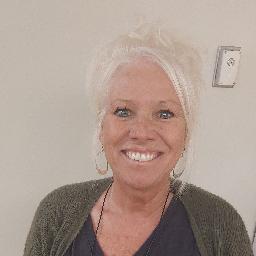
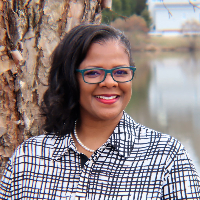
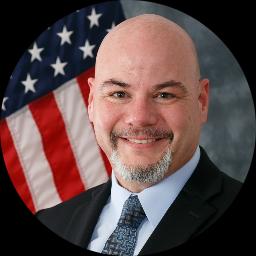
Jai Pitre
LCSW, CSW
Practical support for stress, meaning, and change
- Stress, Anxiety
- Trauma and abuse
- Self esteem
Clinical social work directory
38 therapists in this directory list Certified Social Worker (CSW). Registration details are shown as each therapist lists them; the body's own public register is the place to check a number.
A Certified Social Worker (CSW) is a credentialed social work professional who has met state education and supervised practice requirements. Browse verified CSW therapists listed below to review credentials, specialties, languages, and therapeutic approaches.
LCSW, CSW
Practical support for stress, meaning, and change
LCSW, CSW
Therapist grounded in social work and practical care
LCSW, CSW
Experienced LCSW blending talk and somatic work
LCSW, CSW
Experienced LCSW focused on life transitions
LISW-CP, LCSW, CSW
Compassionate, practical social work support
LCSW, CSW
Seasoned LCSW focusing on practical change
LICSW, LCSW, CSW
Meaning-focused therapy with practical tools
LCSW, CSW
Supportive therapist for anxiety and life transitions
LCSW, CSW
A clear, collaborative guide for life transitions
LCSW, CSW
Experienced, practical social worker focused on life changes
LCSW, CSW
Understanding, steady guidance for life's hard moments
LCSW, CSW
Therapist who focuses on meaning and connection
LMSW, LCSW, CSW
Practical, values-focused support for real life
LISW-CP, LCSW, CSW
Hopeful, practical therapy for life challenges
LISW-CP, LCSW, CSW
Compassionate, practical therapy for life challenges
LCSW, CSW
Calm, steady therapy for life transitions
LCSW, CSW
Warm bilingual therapist focused on life challenges
LCSW, CSW
Compassionate, practical care for life’s hard moments
LCSW, CSW, LISW
Existential and practical therapy for life changes
LCSW, CSW, LMSW
Compassionate, practical therapy focused on meaning
LCSW, CSW
Guiding people from surviving to living fully
LCSW, CSW
Existential-guided, practical therapy for life changes
LCSW, CSW
Calm, practical therapy with an existential lens
LCSW, CSW
Hopeful, practical therapy for everyday struggles
LCSW, CSW
Growth-focused licensed clinical social worker
LCSW, CSW
Calm, practical therapy with experienced LCSW
LCSW, CSW
Compassionate, practical therapy for life challenges
LICSW, LCSW, CSW
Practical, collaborative support for life transitions
LCSW, CSW
Practical, values-focused therapy for life challenges
LCSW, CSW
Practical support for life’s difficult moments
LCSW, CSW
Meaning-focused therapist using practical strategies
LCSW, CSW
Straightforward support for life’s hard moments
LCSW, CSW
Practical, values-based therapy for life challenges
LCSW, CSW
Guide for stress, relationships, and life changes
LCSW, CSW
Calm, experienced guide for life’s hard questions
LCSW, CSW
Practical, values-focused support for life’s hard moments
LCSW, CSW
Calm, practical support for life’s hard changes
Some links on this page are partner links. We will earn a commission if you sign up through one, at no cost to you. It does not change what you pay or the order of the listings.
A Certified Social Worker (CSW) is a title that indicates a professional background in social work combined with specific state-level certification or licensing standards. While the exact name and requirements vary by state, the CSW designation generally signifies that the person completed a bachelor or master degree in social work, met supervised practice hours, and passed required examinations or state board reviews. The title signals that the clinician entered social work as their foundational discipline and that their clinical work is informed by social work values - attention to systems, advocacy, and the social context of personal challenges.
When you see CSW after a therapist's name, it points to that social work foundation rather than a single style of therapy. The credential offers a shorthand for education and regulated practice, but it does not by itself describe the exact methods a clinician uses. That detail is best learned by reading a therapist's profile, where they often list specialties, approaches, and populations they work with.
Some states use different titles for social work licensing, and in some places CSW can be one step in a multi-tier licensing system. If you are comparing credentials, look at the state board language to understand whether CSW represents an entry-level professional license, an advanced clinical license, or a distinct certification within a spectrum of social work credentials.
The path to a CSW typically begins with an accredited social work degree. Many CSWs hold a Bachelor of Social Work or a Master of Social Work, though educational requirements differ by jurisdiction. Beyond formal coursework, a defining element of the CSW route is supervised practical experience. That experience is completed under the oversight of a more experienced practitioner or supervisor and is intended to build clinical judgment, assessment skills, and familiarity with ethical and legal standards.
Supervised hours are documented and reviewed as part of the credentialing process. You will also find that many states require passage of an exam that tests knowledge of social work practice, ethics, and relevant law. Together, these components - academic preparation, supervised practice, and examination - form the baseline that states use to evaluate readiness for independent practice under the CSW designation.
Training for CSW candidates emphasizes understanding individuals within their social and environmental contexts. Coursework often covers human behavior, social policy, case management, community resources, and intervention strategies. If systems-level thinking and attention to social determinants of well-being are important to you, the social work background reflected in a CSW credential may align well with your priorities for care.
CSW is one among several professional credentials used in mental health. Each license type arises from a different educational and regulatory tradition and emphasizes different aspects of practice. Compared with clinicians coming from psychology, psychiatry, counseling, or marriage and family therapy backgrounds, CSW therapists bring a social work lens that often highlights environment, access to community resources, and advocacy. That does not mean a CSW cannot provide psychotherapy - many do - but it does shape the way they conceptualize problems and interventions.
For example, a CSW may integrate individual therapy with practical supports such as referrals to housing services, benefits navigation, or coordination with schools and employers. Other license types may emphasize diagnostic assessment, evidence-based protocol delivery, or family systems work depending on their training. When you read therapist profiles, you can compare educational background, described approaches, and stated specialties to understand how a given CSW frames their practice in relation to other clinicians.
The scope of practice for a CSW can overlap significantly with other mental health professionals. In many settings, CSWs work on interdisciplinary teams with psychologists, psychiatrists, and medical providers. If medication management, specialized psychological testing, or other services are relevant to your needs, a CSW may collaborate with those professionals while focusing their own role on therapy, case management, and community-based interventions.
CSW therapists commonly work across diverse populations and concerns. Many list work with anxiety, depression, trauma, grief, relationship challenges, and life transitions among their focus areas. Because of social work training, you will also find CSWs who emphasize work with families, older adults, children and adolescents, LGBTQ+ communities, and culturally specific populations. Some highlight practice with school systems, community agencies, or medical settings.
In terms of therapeutic approaches, profiles will often show a mix. You may see therapists who list cognitive-behavioral techniques, psychodynamic perspectives, trauma-informed care, strengths-based methods, or EMDR among their approaches. Remember that such listings indicate what a clinician reports using, rather than an endorsement of formal certification in a particular modality. If a particular approach matters to you, look for how a therapist describes applying it in sessions and what populations they have worked with in that context.
CSWs frequently practice in outpatient clinics, hospitals, schools, community agencies, and nonprofit organizations. That breadth of settings means they often have experience linking clinical work with concrete supports, such as benefits, housing, and community resources. If your situation would benefit from integrated support - therapeutic and practical - a CSW's orientation toward systems-level solutions may be particularly relevant.
Verifying a CSW credential begins with the appropriate state licensing board. Most state boards maintain online directories where you can confirm the status of a credential, view the issue date, and see any public disciplinary history. When you view a therapist profile, look for the state that issued the CSW credential and use the board's verification tool to confirm details. If a profile lists multiple credentials, each may be held under a different licensing authority, so verify the specific CSW credential with the issuing state.
Beyond verification, choosing a therapist involves assessing fit. Read profiles for information about population focus, described approaches, languages spoken, and experience. Consider how a CSW's emphasis on social context aligns with your goals - you might prioritize a clinician who notes experience with trauma-informed care, family systems, or community resource coordination. If you have specific preferences about session structure, cultural competence, or communication style, look for descriptions that speak to those areas.
Begin by identifying the qualities most important to you, whether that is a CSW who works with adolescents, someone experienced in grief, or a clinician who lists certain therapeutic approaches among their methods. Verify credentials through the state board and review profiles for evidence of relevant experience. If a therapist lists work in settings similar to yours - schools, hospitals, or community agencies - that can be a helpful indicator of applicable experience. Finally, think about logistics you value such as language, session format, and the overall orientation you prefer from a clinician. Together, those factors will help you narrow options and find a CSW whose background and approach align with your needs.
Choosing a CSW means choosing a clinician trained to consider both personal and social dimensions of well-being. With careful review of credentials and profiles, and attention to the practical and relational qualities you value, you can identify a CSW therapist who fits the direction you want your care to take.