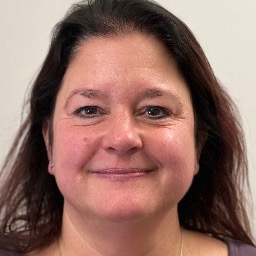
Chasity Keller Anderson
LCSW
Compassionate, practical support for everyday challenges
- Stress, Anxiety
- Relationship
- Family
Clinical social work directory
3 therapists in this directory hold a licence issued in North Dakota and name existential therapy among their approaches. Sessions are online; a US therapist can usually only see people in a state where they hold a licence, so check the credentials panel on each profile.
Welcome if you are looking for online therapists who serve North Dakota. All therapists listed here are licensed to practice in the state; explore the profiles below to learn about their approaches, credentials, languages, and focus areas.
LCSW
Compassionate, practical support for everyday challenges
ID Psychologist, ND Psychologist
Helping people find meaning and actionable change
Some links on this page are partner links. We will earn a commission if you sign up through one, at no cost to you. It does not change what you pay or the order of the listings.
Online therapy in North Dakota includes a range of services delivered using video, phone, or text-based messaging technology. Providers who offer remote care typically describe their services by modality and focus area in their profiles so you can get a sense of whom you might work with before you reach out. Because licensing is handled at the state level, therapists who practice online with North Dakota residents are required to hold an active license to provide care in this state. That licensing requirement is an important way of confirming that a therapist meets the state s standards for professional practice.
North Dakota s geography and population density influence how people access mental health care. In communities where in-person options are sparse, online therapy can expand access to clinicians who offer particular approaches or speak specific languages. Urban residents may also choose online sessions for scheduling flexibility. Regardless of where you live in the state, you can typically review provider profiles that list approaches, credentials, languages, and focus areas to help you identify clinicians whose style aligns with your needs.
Online therapy reduces the need to travel across long distances, which is especially useful when you live outside larger towns. You can schedule sessions without factoring in lengthy commutes, and you may find it easier to maintain a consistent routine when weather, work demands, or transportation limit your options. That consistency can make it easier to address longer-term concerns and to keep momentum between sessions.
Many people find it easier to talk about sensitive topics from their own home or another familiar setting. Online sessions allow you to participate from a quiet space that feels comfortable for you. If mobility, caregiving responsibilities, or other life circumstances make in-person meetings difficult, remote sessions can remove barriers to getting help. Profiles often note which languages a therapist speaks and the types of issues they commonly address, so you can identify clinicians who match your communication needs and personal preferences.
Online therapists in the state frequently work with people experiencing anxiety, depression, grief, and relationship stress. You can find clinicians who emphasize working with life transitions such as career changes, parenting adjustments, relocation, or retirement. Some therapists describe existential concerns as a focus - questions about meaning, values, or life direction - and others list approaches aimed at improving communication and conflict resolution in partnerships and families.
Providers may indicate experience helping people process traumatic experiences, manage substance-related concerns, or address patterns that started in adolescence and continue to affect adult functioning. You may encounter therapists who list trauma-focused methods among their approaches as well as those who note work with behavioral health stability and relapse prevention. When reading profiles, note how practitioners describe their typical caseload and the client populations they highlight, because this gives you a sense of whether their background aligns with your situation.
Start by noting the license type listed in a therapist s profile - common credentials include LPC, LCSW, LMFT, and licensed psychologist designations. Once you have that information, look up the license through the relevant state licensing board portal. Most state boards provide an online license lookup where you can enter the clinician s name or license number to view status, expiration date, and any public disciplinary actions. These records help you confirm that the practitioner is authorized to practice in North Dakota and that there are no outstanding issues on record.
If you prefer, you can ask the therapist directly for their license number and the board that issued it, then verify that information independently. Be cautious if a practitioner cannot provide a license number, refuses to identify their regulating board, or has a license that appears inactive or expired. Also check whether the clinician lists multiple credentials and make sure you understand which license applies to the services you are considering. State boards frequently publish information about what each license allows, so reviewing board resources can clarify scopes of practice.
Begin by clarifying what you want from therapy - whether you are seeking symptom relief, help with relationships, support through a life change, or deeper existential exploration. Use profile filters to narrow options by approach, language, or focus area, and read bios to learn how clinicians describe their work. Reach out to ask practical questions about session length, fee structure, insurance or billing practices, and the platforms they use for remote sessions. You can also ask about typical session structure so you have a clear sense of what happens in the first few meetings.
Finding the right match often comes down to the relationship you form. Look for therapists who clearly explain their approach in ways that resonate with you, and note whether they mention populations or issues similar to yours. Some people prioritize credentials or years of experience, while others place a higher value on shared cultural background, language, or approach to meaning and values. If a therapist says they use certain modalities, remember that profiles reflect what practitioners choose to list - you may encounter therapists who list EMDR among their approaches, or who note cognitive-behavioral, psychodynamic, existential, or family systems methods. Asking how an approach would be applied to your situation can help you gauge fit.
Before your first appointment, choose a quiet personal space where you can speak without interruption and check that your internet connection and camera or phone are working. Think about a few goals you want to discuss and any immediate concerns you have. If cost or insurance is important, confirm fees and reimbursement options up front so there are no surprises. Finally, trust your instincts about rapport - it is reasonable to look for a clinician who listens well, explains things clearly, and helps you feel understood.
Online therapy in North Dakota offers a way to connect with licensed clinicians who address a wide range of concerns. By verifying licenses, reading profiles, and asking targeted questions, you can make an informed choice about who might support you on your path. Explore the therapist listings above to review approaches, languages, and focus areas as you take the next step in seeking care.