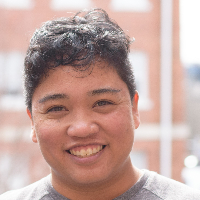
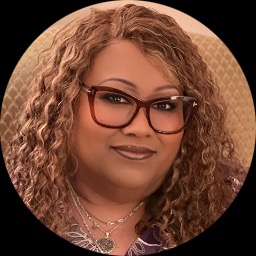
Tawnya Thompson
LCMHC
Practical, experienced counseling for everyday struggles
- Stress, Anxiety
- Relationship
- Depression
Clinical social work directory
106 therapists in this directory hold a licence issued in North Carolina and name existential therapy among their approaches. Sessions are online; a US therapist can usually only see people in a state where they hold a licence, so check the credentials panel on each profile.
Welcome to our directory for online therapists serving North Carolina. All therapists listed on this page hold a current license to practice in the state.
Browse profiles to compare approaches, languages, credentials, and experience to find a match that feels right for you.
LCMHC
Practical, experienced counseling for everyday struggles
LCMHC
Compassionate counselor for life transitions
LCMHC
Candid, body-focused counseling for life changes
LCMHC
Experienced LCMHC offering practical, values-based care
LCMHC
Practical, values-focused therapy for daily struggles
LCMHC
Practical therapy for life’s difficult transitions
LCSW
Existential-informed LCSW focused on practical change
LCSW, LICSW
Experienced therapist focused on meaning and coping
LCSW
Experienced LCSW guiding people toward meaning and coping
LCMHC
Compassionate counselor helping you find meaning and change
LCMHC
Practical, reflective counseling for life changes
LPC, LCMHC
Calm, practical therapy focused on meaning and coping
LCSW
Existential-informed social worker focused on strengths
LCMHC
Purpose-focused counselor who emphasizes practical tools
LCMHC
Helping people find meaning and clear next steps
LCMHC
Compassionate counselor focused on meaning and relationships
LCMHC
Compassionate counselor who centers client strengths
LCMHC
Existential-informed counselor focused on practical growth
LCMHC
Collaborative counselor focused on life changes
LISW-CP, LCSW, CSW
Hopeful, practical therapy for life challenges
LCSW
Existential-informed, person-focused care
LPC, LCMHC
Practical support for stress and trauma
LCMHC
Warm, practical counseling focused on meaning
LCSW
Goal-focused social worker with practical steps
LCMHC
Hopeful, practical therapy for life’s hard moments
LCMHC
Compassionate counseling for relationships and change
LCMHC, LMFT
Compassionate counselor helping people find direction
LCSW
Existential and practical therapy for life questions
LCMHC
Practical, person-focused therapy with lived experience
NC Psychologist
Experienced psychologist guiding practical life change
LCMHC
Experienced counselor offering steady, practical support
LCMHC
Helping people reduce stress and find meaning
LPCC, LPC
Calm, practical therapy for real-life struggles
LPC, LCMHC
Collaborative, practical therapy for everyday challenges
LCMHC
Practical, values-focused therapy for life transitions
LCMHC
Compassionate, practical therapy for life changes
LMFT, LCMHC
Calm guidance through major life transitions
LPC, LCMHC
Experienced therapist for life transitions
LMFT
Experienced therapist for trauma and addiction
LCMHC
Experienced counselor focusing on meaningful change
LCSW
Finding meaning and practical steps forward
Some links on this page are partner links. We will earn a commission if you sign up through one, at no cost to you. It does not change what you pay or the order of the listings.
Online therapy has become a common way to access mental health support across North Carolina, bringing together licensed clinicians and people seeking help in a digital format. If you live in Charlotte, Asheville, the Outer Banks, or a rural township, you can connect with professionals who offer video or phone sessions, messaging-based support, or blended formats that combine different communication styles. Because laws generally require clinicians to hold a license where you are located during a session, many therapists who appear in this directory hold North Carolina licensure. Telehealth services operate within important ethical and regulatory frameworks, so practitioners also follow guidelines for documentation, informed consent, and emergency planning. When you choose online care, you are engaging with licensed clinicians who are accountable to state boards and professional standards while using platforms and practices designed to protect your records and communications.
One of the most practical advantages of online therapy is convenience. You can attend sessions from home, a workplace break room, or another quiet location without the need to commute. This can be especially valuable in a state where travel times vary widely and appointments may otherwise be difficult to fit into a busy schedule. Online therapy also expands access to clinicians with particular specialties or language skills that may not be available locally. If you want to work with someone who understands certain cultural or life-stage issues, or who lists specific therapeutic approaches among their methods, online options increase the pool of potential matches. For people managing chronic conditions, caregiving responsibilities, or irregular hours, virtual sessions can help maintain continuity of care. Finally, remote formats give you the ability to try different communication styles - whether you prefer live video, phone calls, or message-based check-ins - and to choose what best supports your progress and comfort.
Therapists who work online in North Carolina address a wide spectrum of emotional and life concerns. Many people seek help for anxiety, persistent low mood, stress related to work or family life, and adjustment to major transitions such as moves, job changes, or retirement. Relationship difficulties and communication challenges are common reasons to begin therapy, and couples-oriented practitioners or clinicians who list relationship-focused work among their approaches can offer strategies for improving connection. Grief and loss counseling is another area where remote sessions are frequently used, allowing you to access support during times when travel or logistics might be difficult. For those coping with trauma, some therapists list trauma-informed methods or EMDR among their approaches; when you review a profile, look for clinicians who explicitly note experience working with trauma-related issues. You can also find therapists who focus on identity-related concerns, parenting challenges, career guidance, or existential questions about meaning and purpose. Because clinicians vary in focus and style, reading bios and approach descriptions helps you find someone who aligns with the concerns you want to address.
Before beginning work with any clinician, it's helpful to confirm that they hold an active license to practice in North Carolina. Start by identifying the type of license listed in the therapist's profile - common credentials include licensed professional counselors, licensed clinical social workers, psychologists, and medical doctors who provide psychiatric care. Each license type is regulated by a different state board. You can search public license directories maintained by the appropriate North Carolina boards to confirm a license number, status, expiration date, and whether any disciplinary actions are recorded. When you review a license record, check that the status is listed as active and that the license category matches the services being offered. If you have questions about what a license designation means, the board's website typically explains scope of practice and titles. If you encounter unclear information, you can contact the licensing board directly for clarification. Keeping a record of the license number and the verification date helps you feel informed about the professional standards that govern the clinician you choose.
Getting started with online therapy begins with a few simple steps. Take time to read therapist profiles and pay attention to the aspects that matter most to you - the approaches a clinician lists among their methods, specialized experience with particular issues, language abilities, and any notes about the populations they commonly work with. Think about practical matters too, such as session length, fee structure, whether they accept your form of payment, and whether they offer a sliding scale or work with insurance. When you reach out to a therapist, you can ask for basic information about how they structure remote sessions, what to expect for the first meeting, and how they handle emergency concerns if you are in crisis between sessions. It is reasonable to request information about the platform they use for video visits and whether communications are protected under applicable privacy rules such as HIPAA.
Choosing the right therapist also involves considering fit beyond credentials. Consider whether you prefer a clinician who uses more directive techniques or one who takes a reflective, exploratory style. If cultural identity, gender, or language is important to you, look for those details in profiles and prioritize clinicians who state experience or language fluency that aligns with your needs. If you are exploring specific approaches, remember to search for therapists who list those approaches among their methods rather than assuming a listed technique implies a particular certification. You may want to schedule an initial consult or introductory conversation to get a sense of rapport - many therapists offer brief intake calls so you can ask about their approach to the issues you want to address and decide if the dynamic feels comfortable. Practical questions to raise in that initial contact include how they handle session notes, what the cancellation policy is, and how they coordinate with other health providers if you want collaborative care. Taking a thoughtful, measured approach when you begin will increase the chances that you find a working relationship that feels respectful and productive for your goals.
Online therapy in North Carolina provides a flexible pathway to professional support when you are navigating stress, loss, transitions, relationship concerns, or deeper life questions. By verifying licensure, reviewing approaches and experience, and asking practical questions about how a clinician structures remote work, you can make an informed choice. Use the directory to compare profiles and to reach out to clinicians whose descriptions resonate with your needs. Starting therapy is a personal step - allowing yourself time to find a match will help you get the kind of support that fits your life and goals.