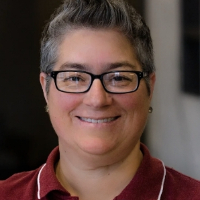
Pamala Topp
LPC
Helping people find meaning and practical change
- Stress, Anxiety
- Trauma and abuse
- Anger
Clinical social work directory
8 therapists in this directory hold a licence issued in South Dakota and name existential therapy among their approaches. Sessions are online; a US therapist can usually only see people in a state where they hold a licence, so check the credentials panel on each profile.
Welcome if you are looking for licensed online therapists who serve residents of South Dakota. All therapists listed here hold state licenses and describe their approaches and focus areas. Explore profiles to compare credentials, languages, areas of focus, and therapeutic styles to find a good fit.
LPC
Helping people find meaning and practical change
LPC, LPC-MH
Compassionate therapist focused on meaning and action
LPC
Warm person-centered counselor focused on meaning
LCPC, LPC, LPC-MH
Practical, values-focused therapy for everyday challenges
LPC-MH, LCPC
Practical, respectful support for everyday struggles
LPC-MH, LPC
Grounded counseling for stress and relationships
LCPC, LPC
Compassionate, practical therapy focused on meaning
Some links on this page are partner links. We will earn a commission if you sign up through one, at no cost to you. It does not change what you pay or the order of the listings.
Online therapy has become a widely used option for people across South Dakota who want counseling without traveling long distances. Many licensed mental health professionals offer sessions by video or phone, which expands access for rural communities, shift workers, and anyone balancing family or work responsibilities. Regulations affect where a therapist can legally provide care, so therapists listed on a directory typically indicate that they are licensed to work with clients located within South Dakota. You will find that practitioners describe their professional credentials, theoretical approaches, languages spoken, and the types of issues they commonly address. While the technology and settings vary, the essential elements remain the same: a licensed practitioner, a conversation about goals and boundaries, and an agreed-upon plan for ongoing work. For someone living in South Dakota, the promise of online therapy is not only convenience but also the chance to connect with clinicians who focus on areas that matter to you, whether that is relationship challenges, grief, anxiety, or life transitions.
Choosing online care can reduce travel time and make it easier to fit therapy into a busy week. In a state with many small towns and long commutes, you can meet with a therapist from your home, office, or another reliable location while preserving more of your day. Online sessions can also widen the pool of clinicians you can consider, so you might find someone who works with your particular identity, speaks your language, or lists specific approaches that resonate with you. Because sessions take place remotely, you may feel more comfortable opening up in a familiar setting, and you can schedule appointments without coordinating travel or childcare in the same way as in-person visits. In addition, you can often maintain continuity of care if your living situation changes - for example, if you move within the state or travel temporarily - by continuing remote sessions with the same clinician as long as licensing rules permit. These practical advantages are complemented by the ability to quickly review a therapist's profile, read about their stated approach, and contact them to learn more about how they work.
Online therapists in South Dakota work with a wide range of concerns that people bring to counseling. Many focus on stress, anxiety, and depression, helping you develop skills to manage daily challenges and improve mood. Others specialize in relationship issues - couples work, parenting concerns, and family transitions - offering a place to navigate communication patterns and expectations. Grief and loss are frequent reasons for seeking support, whether the loss is recent or tied to long-term adjustment. Therapists also address identity-related questions, career changes, and life-stage transitions that can feel overwhelming. Some clinicians list trauma-focused approaches among their offerings, while others describe work with behavioral patterns, self-esteem, or coping with chronic medical conditions. You will also find practitioners who highlight work with adolescent or emerging adult clients, and clinicians who provide care in languages other than English. When browsing profiles, pay attention to the types of issues a clinician emphasizes, the populations they mention, and how they describe the goals people commonly bring to treatment. That will help you determine which clinicians are likely to align with the challenges you want to address.
Verifying a clinician's license in South Dakota is an important step to ensure they are authorized by the state to practice. Start by locating the license lookup or verification tool on the official state government website associated with professional licensing. Enter the clinician's full name or license number, if available, to view details about the license type, status, and expiration date. The record will often indicate the discipline under which the professional is licensed, such as counseling, psychology, social work, or marriage and family therapy. If you see any active restrictions, disciplinary actions, or public records on the licensing page, take the time to read the official notes and, if helpful, call the licensing office to ask for clarification. You can also confirm a license by contacting the appropriate state board by phone or email; staff can guide you to the public records that show current standing. When reviewing credentials, compare the license type listed on the state site with the credential the clinician uses on their profile to ensure they match. Keeping an eye on license expiration and any public disciplinary history is a straightforward way to feel informed before you begin working with a clinician.
Beginning online therapy often starts with a short inquiry to introduce yourself and describe what you are hoping to address. A clinician may provide a brief intake document that outlines their approach, fees, and policies. Before your first session, plan the practical details: choose a reliable internet connection, test your device's camera and microphone, and find a quiet space where you can speak without interruption. You should ask about the preferred telehealth platform and any steps to download or log in. It is also appropriate to ask how the clinician handles emergencies or urgent needs when sessions are remote - for example, whether they have a local resource list or a plan if you need immediate assistance. Clarifying fees, payment methods, and whether a clinician provides documentation for insurance reimbursement will help you set expectations. Starting can feel easier if you treat the first session as an opportunity to see how the clinician listens, how they describe possible next steps, and whether their style feels like a match for you.
When deciding who to contact, prioritize the factors that matter most to you. Consider the clinician's stated areas of focus and the populations they mention, such as work with adolescents, couples, or adults facing particular life transitions. Look at the approaches they describe and remember that many therapists list a range of methods; if a specific technique appeals to you, choose someone who lists that approach among their offerings rather than assuming formal certification. Pay attention to languages spoken and cultural background when those elements are important to your comfort and connection. Read short bios to get a sense of tone and priorities, and use introductory conversations to assess rapport - you should feel heard and respected from the outset. Think about practical matters too, such as whether the clinician describes experience with issues similar to yours and whether their session format - video, phone, or blended - fits with your needs. Trust your sense of fit; a good therapeutic relationship often matters more than any single credential or label. If you do not feel the connection you hoped for, it is reasonable to try another clinician until you find someone with whom you can work productively.
Finding an online therapist in South Dakota is an opportunity to choose a clinician whose focus areas, language skills, and stated approaches align with what you want to address. By verifying licensure through state resources, preparing for remote sessions, and reflecting on the qualities that support a strong working relationship, you can take practical steps toward meaningful help. Use the directory listings to read profiles and reach out with questions so you can begin the process with clarity about how a clinician works and how their approach might match your needs.