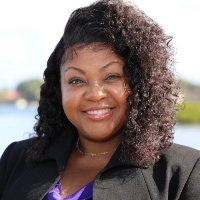
Cory Schortzman
LPC, LIMHP
Restoring connection and personal direction
- Stress, Anxiety
- Addictions
- Relationship
Clinical social work directory
1,393 therapists list ocd among the things they work with. All offer sessions online, and every profile shows the registering body, the membership number and when it runs to.
Explore therapist profiles focused on obsessive-compulsive disorder (OCD), with listings that highlight therapeutic approaches, credentials, languages, and focus areas. Use the listings below to learn how different clinicians describe their work with OCD and to identify approaches that fit your needs.
LPC, LIMHP
Restoring connection and personal direction
LICSW
Practical, values-driven therapy with compassion
LPC
Practical, meaning-focused counseling for life changes
LPC
Direct, practical counseling focused on change
ACA, PACFA
Supportive counsellor for stress and trauma
BACP
Existential-informed counsellor with practical tools
BACP
Calm, practical support for difficult life moments
BACP
Compassionate counsellor for life transitions
BACP
Experienced person-centred counsellor focused on meaning and change
LPC
Practical, values-focused therapy for everyday life
NCPS
Compassionate integrative counselling for life's hard moments
BACP
Existentially minded counsellor focused on meaning
LPC
Experienced counselor focusing on practical change and meaning
BACP
Compassionate counsellor for real-life challenges
LISW
Calm, practical support for life's hard moments
NCPS
Helping people find meaning and practical coping strategies
BACP
Existential and person-centred counsellor
LPC
Compassionate counselor blending meaning and skills
BACP
Quiet, reflective counselling for life changes
LPC
Calm, practical help for life’s hard moments
NCPS
Practical support for life’s harder moments
LPC
Practical support for stress, trauma, and life changes
BACP
Supportive integrative counsellor for life changes
BACP
Compassionate counsellor for life transitions
BACP
An approachable counsellor for everyday struggles
NCPS
A listening-led counsellor focused on practical change
CO Psychologist
Compassionate psychologist for life’s hard moments
BACP
Warm, practical counselling that focuses on meaning
NCPS
Calm, practical therapy for everyday struggles
NCPS
Focused, practical counselling for everyday struggles
BACP
Calm, practical support for life challenges
BACP
Experienced counsellor for relationship and life challenges
BACP
Supportive counsellor for adults and young adults
BACP
Existential-informed counsellor focused on relationships
LMFT
Calm, practical help for life and relationships
BACP
Empathic counsellor helping with life and identity challenges
LMFT
Calm, goal-focused therapy for life transitions
LPC
Calm, practical counseling for life’s hard moments
LPC, LMHC
Warm practical support for life’s tough moments
AASW
Existential-informed social worker focused on practical change
BACP
Compassionate, flexible counselling and practical support
Some links on this page are partner links. We will earn a commission if you sign up through one, at no cost to you. It does not change what you pay or the order of the listings.
Obsessive-compulsive disorder is characterized by recurrent intrusive thoughts, images, or urges - obsessions - and by repetitive behaviors or mental rituals - compulsions - performed to reduce distress. For many people the obsessions are not simply passing worries but persistent, unwanted cognitions that demand attention and trigger anxiety. Compulsions can be overt actions such as checking, cleaning, or counting, or they can be internal rituals like silently repeating phrases or mentally reviewing events. Over time these patterns can shape routines, relationships, work performance, and leisure activities, making daily life feel constrained.
How OCD shows up varies widely. Some people experience contamination fears and cleaning rituals, while others struggle with intrusive harm-related thoughts and checking behaviors. Some present with perfectionism and excessive ordering, and others with intrusive sexual or religious thoughts that cause shame. The condition often coexists with anxiety, depression, or attention differences, and its intensity can fluctuate with stress, life transitions, or health concerns. Understanding the particular content of your obsessions and the functions of your compulsions helps you and a therapist decide on a treatment focus.
If your thoughts and rituals take more time than you would like, cause distress, or interfere with responsibilities and relationships, therapy can be helpful. You might notice that rituals consume hours each day, or that you avoid people, places, or activities to prevent triggers. You may experience significant anxiety when you try to resist a compulsion, or find that mental rituals feel mandatory even when they do not make sense to you. Difficulty concentrating, sleep disturbances, and growing isolation are also common indicators that professional support could help.
You do not need to wait for a crisis to seek help. Early attention can prevent patterns from becoming more entrenched. Therapy is also useful when you want tools to manage spikes in symptoms, to work through shame or secrecy, or to address how OCD affects relationships. If intrusive thoughts lead to intense guilt or you notice a steady decline in your ability to function at work or home, these are valid reasons to look for a clinician familiar with OCD-related approaches.
Your first sessions usually include a thorough assessment of your symptoms, their history, and how they impact your life. A therapist will ask about the content of obsessions, the rituals you use, patterns of avoidance, and any co-occurring concerns like anxiety or mood symptoms. This phase is collaborative - you and the therapist will identify specific, achievable goals that reflect your priorities, whether that is reducing time spent on rituals, returning to activities you have avoided, or learning to tolerate distressing thoughts.
Sessions often combine focused skill-building with guided practice. You can expect a mix of psychoeducation about how obsessive thoughts and compulsive behaviors interact, exposure exercises practiced in session or between sessions, and strategies to manage anxiety and distress without reverting to rituals. Homework assignments are common because progress often requires repeated practice in real-life situations. These exercises are introduced gradually and tailored to your pace and tolerance, with the aim of helping you respond differently to triggers over time.
Several evidence-informed approaches are frequently used with people who have OCD. Exposure and response prevention - often abbreviated ERP - is a behavioral intervention that involves confronting feared thoughts or situations while refraining from the usual compulsive response. Many therapists who work with OCD list ERP among their approaches because it directly targets the cycle of avoidance and ritualization. Cognitive interventions that address unhelpful beliefs about responsibility, certainty, and threat can be combined with behavioral work to shift how you interpret intrusive thoughts.
Other clinicians describe drawing on acceptance-based methods to help you relate differently to unwanted thoughts, emphasizing willingness to experience discomfort while staying engaged in meaningful activities. Some therapists mention mindfulness-informed strategies to increase awareness of automatic reactions, and others list habit-reversal techniques when compulsive behaviors have an automatic, motor component. When reviewing profiles you will see a range of language used to describe these approaches. Because listings reflect how clinicians present their work rather than credentialing, it helps to read how each therapist explains their method in practical terms.
Online therapy offers a way to work with a therapist by video, phone, or in some cases text-based messaging. Many people find remote sessions useful when in-person visits are difficult because of distance, mobility, or scheduling constraints. In an online format you can conduct exposures that are relevant to your home environment, and you and your therapist can collaborate on in-the-moment exercises that involve objects or rituals present in your living space. Therapists who list online or telehealth among their approaches often outline how they adapt exposures and homework for remote work.
Practical considerations include ensuring your technology supports clear audio and video, choosing a room where you can focus, and planning how to access materials or settings for exposure tasks. Therapists often explain how sessions will be structured online and how they handle between-session communication. When you search listings, pay attention to how therapists describe their remote process, how they tailor exposure tasks to your context, and whether they mention offering written resources or session summaries to support practice outside of sessions.
Start by looking for clinicians who explicitly mention work with obsessive-compulsive patterns or who list exposure-based and cognitive approaches among their methods. Read how therapists describe their approach to OCD in their profile - do they explain the role of exposures, homework, or cognitive strategies in concrete terms? Consider clinicians who note experience with issues that overlap with your own, such as anxiety, trauma, or relationship distress, as this can shape how they integrate treatment.
Think about practical and personal fit. Language and cultural competence can matter a great deal if identity, values, or faith intersect with the themes in your obsessions. Look for profiles that list the languages the therapist speaks and any populations they highlight. Consider whether you prefer a more structured approach with clearly outlined exercises, or a more exploratory style that focuses first on meaning and context. Pay attention to session length, stated fees, and whether the therapist describes working remotely or in person. Finally, trust your sense of rapport during an initial consultation - the therapeutic relationship is a major factor in how comfortable you will be practicing challenging skills and sustaining progress over time.
Finding a therapist who matches your needs can take time, but profiles in this directory are designed to help you compare approaches, credentials, and focus areas so you can make an informed choice. Whether you are exploring exposure-based strategies, cognitive work, acceptance-oriented methods, or a combination, a clear description of how a therapist approaches OCD will help you decide who to contact. Use the information on each listing to identify therapists whose descriptions resonate with your goals and questions, and prepare a few specific queries to guide a first conversation about how they work with OCD.
Therapy is a collaborative process. When you start with a clinician who explains the rationale for their methods and how they will tailor work to your concerns, you are more likely to feel prepared for the practical steps involved. With consistent practice and a focus on what matters to you, many people find ways to reduce the hold that obsessions and compulsions have on their lives and to reclaim activities and relationships that feel important.