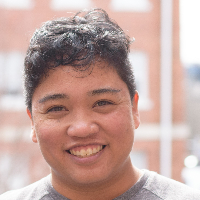
Faith Beaulieu, LCMHC
North Carolina · 10 years in practice
Faith Beaulieu is a Licensed Clinical Mental Health Counselor (LCMHC) based in North Carolina with ten years of experience.
License and registration
- LCMHC, North Carolina
- 11211 · expires June 2026
- NPI
- 1912397514 · national provider identifier
- Years in practice
- 10
- Languages
- English
Details are as listed on the therapist's public professional profile. You can check the license with the issuing state board, and the NPI with the national registry.
About Faith
Faith Beaulieu is a Licensed Clinical Mental Health Counselor (LCMHC) based in North Carolina with ten years of experience. She introduces herself as Cai and brings a straightforward, down-to-earth style to sessions. Faith blends practical skill-teaching with body-focused work and a direct, sometimes humorous manner.
Faith often begins with a clear short-term plan when clients need focused support. She commonly works in blocks of four to eight sessions to address a specific situation, skill-building goal, or life transition.
Background and approach
When goals and schedules align, she is open to extending care beyond that initial period. Her practice leans on somatic techniques that help people notice and work with physical sensations. She pairs that with mindfulness and existential ideas to help clients name values and make grounded choices.
She will teach coping skills when asked or when they fit the work. Sessions are conversational and experiential. Faith can be direct, use casual language, and add humor where it helps.
She also draws on her broader background as a coach and movement instructor to shape practical exercises. Faith welcomes people from many backgrounds who are drawn to hands-on, body-aware therapy and clear, goal-oriented work. She speaks English and offers online formats.
Her approach is aimed at people needing help with stress, anxiety, relationships, identity questions, grief, trauma, and life changes.
Focus areas and approaches
Everything Faith lists on their public professional profile, in their own terms.
- Stress, Anxiety
- LGBT
- Relationship issues
- Coping with life changes
- Coaching
- Family conflicts
- Trauma and abuse
- Grief
- Intimacy-related issues
- Eating disorders
- Anger management
- Self esteem
- Career difficulties
- Bipolar disorder
- Depression
- Compassion fatigue
- ADHD
- Abandonment
- Adoption and foster care
- Autism and Asperger Syndrome
- BDSM, kink, and alternative sex culture
- Blended family issues
- Body image
- Chronic pain, illness, and disability
- Commitment issues
- Communication problems
- Coping with natural or human-caused disaster
- Eating and food-related issues
- Family of origin issues
- Family problems
- First responder issues
- Gender dysphoria
- Guilt and shame
- Hospice and end-of-life counseling
- Immigration issues
- Intellectual disability
- Isolation / loneliness
- Life purpose
- Midlife crisis
- Veteran and Armed Forces Issues
- Money and financial issues
- Multicultural concerns
- Polyamory / non-monogamous relationships
- Prejudice and discrimination
- Seasonal Affective Disorder (SAD)
- Self-love
- Sexual assault and abuse
- Sexuality
- Social anxiety and phobia
- Women's issues
- Workplace issues
- Young adult issues
Approaches Faith names
Naming an approach is not evidence of training in it. This directory copies what each therapist lists and does not check training records.
Online support
How existential ideas and body-centered work translate online
Existential Therapy looks at meaning, choice, and values. In online sessions that can mean talking through what matters most and deciding how to act in line with personal values. This approach can help with anxiety, depression, career questions, and major life changes.Somatic Therapy focuses on bodily sensations and movement to help process stress and trauma. Online somatic work can include guided body awareness, gentle movement prompts, and breathing exercises that clients can do during video or phone sessions to reduce tension and build regulation skills.
Faith will work collaboratively to find the right mix of approaches for each person. She discusses goals, preferences, and what feels helpful, then adjusts methods as the relationship develops. Choosing a fit is part of the therapeutic process.
Online formats offer practical benefits. Video calls allow face-to-face interaction and guided experiential exercises. Phone sessions work well when bandwidth is limited or when someone prefers not to be on camera. Live chat or text-based messaging can provide short check-ins, ongoing coaching, or support between sessions. Together these options make scheduling easier and let therapy fit into busy lives.
We will earn a commission if you sign up through our link, at no cost to you. It does not change what you pay or the order of the listings.
Questions people ask
What kinds of concerns does she help with?
She helps people with stress, anxiety, depression, trauma and abuse, grief, relationship and intimacy issues, eating and body image concerns, ADHD, bipolar challenges, career stress, compassion fatigue, and other life changes.
What is her therapy style like?
Her style is direct, practical, and often experiential. She uses somatic and mindfulness methods and talks through values and choices in an existential frame.
What is her background and experience?
She has ten years of clinical experience and describes a background that includes coaching and somatic work, with an emphasis on hands-on exercises and skill teaching.
What credentials and where is she located?
Faith holds an LCMHC license and practices from North Carolina.
Can sessions be conducted in languages other than English?
Sessions are offered in English.
What session formats are available?
She offers video calls, phone sessions, live chat, and text-based messaging for flexible access to care.
How does billing and cost work?
Cost varies with location and therapist availability; sessions use a subscription model that can be canceled at any time.
How do I begin working with her?
Start by selecting the Start Therapy button, complete a short matching questionnaire, and then schedule sessions based on therapist availability.
More therapists in North Carolina
See allTawnya Thompson
LCMHC
Practical, experienced counseling for everyday struggles
- Stress, Anxiety
- Relationship
- Depression

Margaret Hormenoo
LCMHC
Compassionate counselor for life transitions
- Stress, Anxiety
- Relationship
- Grief



Is this your profile?
Ask us to correct details or take the page down.
Contact us