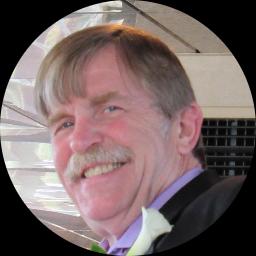
Stephen Carr, LCMHC
North Carolina · 40 years in practice
Stephen Carr is a Licensed Clinical Mental Health Counselor (LCMHC) in North Carolina with 40 years of professional experience.
License and registration
- LCMHC, North Carolina
- 4170 · expires June 2026
- NPI
- 1649015116 · national provider identifier
- Years in practice
- 40
- Languages
- English
Details are as listed on the therapist's public professional profile. You can check the license with the issuing state board, and the NPI with the national registry.
About Stephen
Stephen Carr is a Licensed Clinical Mental Health Counselor (LCMHC) in North Carolina with 40 years of professional experience. He centers sessions on the person sitting across from him and treats each person as the expert on their own life. He emphasizes practical support and steady guidance for people ready to make changes.
His work focuses on trauma and abuse, anger, career struggles, depression, and coping with life changes. He also helps with caregiver stress, communication problems, control issues, family of origin concerns, first responder stress, and post-traumatic stress.
Background and approach
He brings a long history of working through difficult experiences and everyday pressures. In sessions he listens closely and uses clear, straightforward tools. He draws on client-centered methods to follow each person's pace and priorities.
He also uses techniques from cognitive behavioral therapy to identify and shift unhelpful thoughts and behaviors, and he uses existential ideas to look at meaning, choices, and purpose. Stephen aims to create a calm space for honest talk and practical steps. He helps people identify what matters to them, set manageable goals, and try different ways of coping.
His style is steady and encouraging rather than judgmental. Those who reach out will find a clinician who values courage and small changes. He supports people as they sort through challenges and look for a more fulfilling way forward.
Focus areas and approaches
Everything Stephen lists on their public professional profile, in their own terms.
- Trauma and abuse
- Anger management
- Career difficulties
- Depression
- Coping with life changes
- Caregiver issues and stress
- Communication problems
- Control issues
- Family of origin issues
- First responder issues
- Forgiveness
- Guilt and shame
- Impulsivity
- Isolation / loneliness
- Life purpose
- Men's issues
- Midlife crisis
- Money and financial issues
- Post-traumatic stress
- Workplace issues
- Young adult issues
Approaches Stephen names
Naming an approach is not evidence of training in it. This directory copies what each therapist lists and does not check training records.
Online support
Approaches that guide online sessions
Existential Therapy looks at meaning, choice, and responsibility. It helps people who feel stuck, empty, or unsure about life direction to consider what matters and what choices they can make. Client-Centered Therapy focuses on listening and building a trusting relationship. The therapist follows the person's concerns and supports them in finding their own solutions and strengths. Cognitive Behavioral Therapy (CBT) helps identify unhelpful thought patterns and behaviors and offers practical exercises to change them. It is useful for depression, anxiety, anger, and coping with stressful situations. Choosing the right approach is part of the work together. The therapist will help explore which methods fit a person's needs, goals, and preferences. That decision is collaborative and can change over time as goals shift. Online therapy offers flexibility for busy schedules and varied needs. Video calls provide face-to-face connection when conversation and visual cues matter. Phone sessions can be easier when bandwidth is limited or when someone prefers not to be on camera. Live chat and text-based messaging allow brief check-ins, quick coping strategies, or ongoing support between longer sessions. These formats let people fit sessions around work, caregiving, or travel while keeping momentum toward goals. Licensed professionals adapt exercises and homework to the chosen format so therapy can be practical and responsive to each person's life.We will earn a commission if you sign up through our link, at no cost to you. It does not change what you pay or the order of the listings.
Questions people ask
What concerns does he commonly help with?
He works with people facing trauma and abuse, anger, career issues, depression, and major life changes. He also addresses caregiver stress, communication problems, control issues, and workplace or financial worries.
What is his therapeutic style like?
His style is client-centered and straightforward. He listens first, follows the person's pace, and then offers practical tools and ideas to try.
How much experience does he have?
He has 40 years of professional work experience supporting people with a wide range of concerns.
What credentials and location apply?
He holds the LCMHC credential and practices in North Carolina.
Can sessions be conducted in other languages or internationally?
Sessions are offered in English. He is not currently accepting international clients.
Which session formats are available?
Sessions are offered by video calls, phone, live chat, or text-based messaging depending on the person's needs and schedule.
How does payment work and what does it cost?
Cost varies with location and therapist availability; sessions use a subscription model that can be canceled at any time.
How do I get started with therapy?
Begin by selecting the Start Therapy button, completing a short matching questionnaire, and then scheduling sessions according to the therapist's availability.
More therapists in North Carolina
See allTawnya Thompson
LCMHC
Practical, experienced counseling for everyday struggles
- Stress, Anxiety
- Relationship
- Depression
Margaret Hormenoo
LCMHC
Compassionate counselor for life transitions
- Stress, Anxiety
- Relationship
- Grief


Faith Beaulieu
LCMHC
Candid, body-focused counseling for life changes
- Stress, Anxiety
- LGBT
- Relationship

Is this your profile?
Ask us to correct details or take the page down.
Contact us