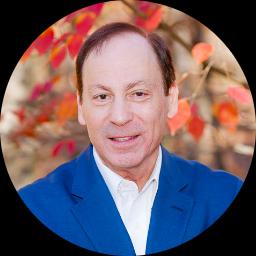
Phil D'Agostino, LCMHC
North Carolina · 29 years in practice
Phil D'Agostino, LCMHC, helps people who are feeling overwhelmed by depression, anxiety, or intense relationship stress.
License and registration
- LCMHC, North Carolina
- 3183 · expires June 2026
- NPI
- 1124178579 · national provider identifier
- Years in practice
- 29
- Languages
- English
Details are as listed on the therapist's public professional profile. You can check the license with the issuing state board, and the NPI with the national registry.
About Phil
Phil D'Agostino, LCMHC, helps people who are feeling overwhelmed by depression, anxiety, or intense relationship stress. He uses practical, action-oriented strategies to reduce symptoms and restore daily functioning. His way of working aims to give people tools they can use right away to feel better and regain control of their life.
His background began in science and science education, which shaped a direct and pragmatic style. He completed graduate studies at the University of North Carolina - Greensboro to become a counselor and also trained in hypnosis to address obsessive thinking and habit change.
Background and approach
Over decades of practice he has emphasized brief, goal-focused methods that address problems in the here-and-now. Phil draws on Cognitive Behavioral Therapy approaches while also integrating Acceptance and Commitment Therapy, Dialectical Behavior Therapy, mindfulness practices, and existential ideas about meaning and choice. Sessions typically center on identifying clear problems, developing step-by-step plans, and practicing skills between meetings.
This makes progress measurable and practical. He has authored training courses on emotional control, conflict resolution, leadership, and workplace interactions, and wrote books aimed at therapists and the public. Those resources informed his clinical style and focus on helping people gain emotional control and improve communication.
Phil has nearly 29 years of experience and holds the LCMHC credential in North Carolina. He works with mood disorders, panic, workplace stress, parenting strain, intimacy concerns, sleep problems, bipolar conditions, and related challenges.
Focus areas and approaches
Everything Phil lists on their public professional profile, in their own terms.
- Stress, Anxiety
- Relationship issues
- Self esteem
- Depression
- Family conflicts
- Intimacy-related issues
- Sleeping disorders
- Parenting issues
- Anger management
- Career difficulties
- Bipolar disorder
- Communication problems
- Life purpose
- Mood disorders
- Panic disorder and panic attacks
- Workplace issues
Approaches Phil names
- Existential Therapy
- Acceptance and Commitment Therapy (ACT)
- Cognitive Behavioral Therapy (CBT)
- Dialectical Behavior Therapy (DBT)
- Mindfulness Therapy
- Motivational Interviewing
- Solution-Focused Therapy
Naming an approach is not evidence of training in it. This directory copies what each therapist lists and does not check training records.
Online support
How therapeutic approaches fit into online care
Existential Therapy helps people consider meaning, choice, and responsibility in their lives. It is useful when life purpose, major transitions, or deep questions about identity are the focus. Acceptance and Commitment Therapy, or ACT, teaches people to notice thoughts and feelings without getting stuck in them while taking actions that match their values. It can help with anxiety, depression, and motivation problems. Cognitive Behavioral Therapy, or CBT, focuses on changing unhelpful thinking and behavior patterns through structured exercises and practice between sessions; it often helps with panic, mood problems, sleep, and workplace stress.Finding the right approach is part of the work. The therapist will talk with the person about goals, challenges, and preferences and then suggest methods to try. That choice is collaborative and may shift as needs change during care.
Online formats make it easier to fit therapy into busy lives. Video calls let people work face-to-face from wherever they are, phone sessions work well when bandwidth is limited, live chat is handy for short check-ins, and text-based messaging supports ongoing reflection between sessions. These options increase flexibility for scheduling, make it easier to attend regular sessions, and allow therapy to continue across different situations and time zones.
We will earn a commission if you sign up through our link, at no cost to you. It does not change what you pay or the order of the listings.
Questions people ask
What concerns does he help address?
He focuses on stress, anxiety, depression, relationship and intimacy issues, sleep and parenting concerns, anger, career problems, bipolar disorder, panic, and workplace difficulties.
What is his style of therapy?
He uses practical, here-and-now methods that emphasize skill building and behavioral change. Sessions aim to identify problems and create concrete action plans.
How long has he been practicing?
He brings 29 years of experience working with mood and relationship challenges and developing training materials for other professionals.
What credentials and location apply?
He is an LCMHC licensed in North Carolina.
Which languages are supported and can he work internationally?
Sessions are offered in English and he accepts international clients.
What formats are available for sessions?
Sessions are offered by video calls, phone sessions, live chat, or text-based messaging.
How is cost handled?
Cost varies with location and therapist availability; sessions use a subscription that can be canceled at any time.
How do I begin working with him?
Use the Start Therapy button, complete a short matching questionnaire, and schedule sessions according to therapist availability.
More therapists in North Carolina
See allTawnya Thompson
LCMHC
Practical, experienced counseling for everyday struggles
- Stress, Anxiety
- Relationship
- Depression
Margaret Hormenoo
LCMHC
Compassionate counselor for life transitions
- Stress, Anxiety
- Relationship
- Grief

Is this your profile?
Ask us to correct details or take the page down.
Contact us