
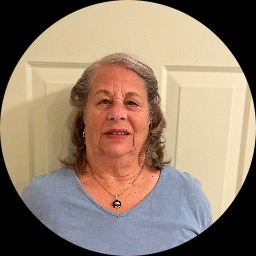
Rebekah Smith, LCSW
Maine · 4 years in practice
Rebekah Smith is a licensed clinical social worker in Maine who centers therapy on meaning, choice, and present experience.
License and registration
- LCSW, Maine
- LC17904 · expires May 2027
- NPI
- 1063041697 · national provider identifier
- Years in practice
- 4
- Languages
- English
Details are as listed on the therapist's public professional profile. You can check the license with the issuing state board, and the NPI with the national registry.
About Rebekah
Rebekah Smith is a licensed clinical social worker in Maine who centers therapy on meaning, choice, and present experience. She blends an existential outlook with practical techniques to help people manage stress, anxiety, depression, and the fallout from trauma and abuse. Rebekah aims to make the first step feel doable and affirms the courage it takes to begin.
Her sessions are straightforward and grounded. She creates an open space for people to talk through difficult feelings and confusing situations without judgment.
Background and approach
Rebekah listens for what matters most to each person and uses that as a starting point for change. She uses Acceptance and Commitment Therapy to help clients notice thoughts and act according to their values. Cognitive Behavioral Therapy is used to identify unhelpful thinking patterns and build clearer, more helpful habits.
Attachment-based ideas guide work around relationships and how early bonds shape present reactions. Rebekah has four years of clinical experience and holds the credential of Licensed Clinical Social Worker, LCSW. She works with concerns ranging from parenting and family problems to grief, eating and sleeping issues, ADHD, and career stress.
Her approach balances emotional depth with practical steps. People looking for flexible session formats can choose video calls, phone, live chat, or text-based messaging. Sessions use a subscription that can be canceled at any time and scheduling is done after a short matching questionnaire.
Focus areas and approaches
Everything Rebekah lists on their public professional profile, in their own terms.
- Stress, Anxiety
- Relationship issues
- Family conflicts
- Trauma and abuse
- Depression
- Grief
- Eating disorders
- Sleeping disorders
- Parenting issues
- Anger management
- Self esteem
- Career difficulties
- Bipolar disorder
- Coping with life changes
- Coaching
- Compassion fatigue
- ADHD
- Adoption and foster care
- Aging and geriatric issues
- Avoidant personality
- Blended family issues
- Codependency
- Commitment issues
- Coping with natural or human-caused disaster
- Dependent personality
- Dissociation
- Domestic violence
- Drug and alcohol addiction
- Eating and food-related issues
- Emptiness
- Family of origin issues
- Family problems
- First responder issues
- HIV / AIDS
- Hoarding
- Hospice and end-of-life counseling
- Jealousy
- Multicultural concerns
- Obsessions, compulsions, and OCD
- Personality disorders
- Phobias
- Polyamory / non-monogamous relationships
- Postpartum depression
- Prejudice and discrimination
- Seasonal Affective Disorder (SAD)
- Sexual assault and abuse
- Traumatic brain injury
- Trichotillomania
- Young adult issues
Approaches Rebekah names
- Existential Therapy
- Acceptance and Commitment Therapy (ACT)
- Attachment-Based Therapy
- Client-Centered Therapy
- Cognitive Behavioral Therapy (CBT)
- Dialectical Behavior Therapy (DBT)
- Emotionally-Focused Therapy (EFT)
- Jungian Therapy
- Mindfulness Therapy
- Motivational Interviewing
- Internal Family Systems
Naming an approach is not evidence of training in it. This directory copies what each therapist lists and does not check training records.
Online support
Therapeutic approaches you can access online
Rebekah often blends existential ideas with Acceptance and Commitment Therapy and attachment-based work. Existential therapy looks at questions of meaning, choice, and responsibility and can help when life changes feel empty or overwhelming. Acceptance and Commitment Therapy, or ACT, teaches ways to notice thoughts and feelings without getting stuck, while helping people act toward what they value. Attachment-based work focuses on patterns in relationships and helps people understand how past bonds shape present behavior.Finding the right approach is part of the process. The therapist will talk with the client about goals, preferences, and what feels most useful. Together they choose techniques that fit the person’s needs and can be adjusted as work progresses.
Online sessions are offered through video calls, phone, live chat, or text-based messaging to make participation easier. Video lets people read facial cues and do deeper conversations, phone is good when bandwidth is limited or a shorter check-in is needed, and live chat or text works well for brief updates or when typing feels more comfortable. These options make it simpler to fit therapy into work, caregiving, or busy schedules.
We will earn a commission if you sign up through our link, at no cost to you. It does not change what you pay or the order of the listings.
Questions people ask
What kinds of problems does Rebekah help with?
She supports people dealing with stress, anxiety, depression, trauma and abuse, relationship and family problems, parenting challenges, grief, eating and sleeping issues, ADHD, and related concerns.
What is her therapeutic style like?
Her style blends an existential focus on meaning with practical therapies like ACT and CBT to help people name priorities and take concrete steps aligned with their values.
What experience does she bring to sessions?
Rebekah has four years of clinical experience working with a range of concerns including trauma, family issues, and stress-related problems.
What are her credentials and where is she located?
She is a Licensed Clinical Social Worker, LCSW, licensed in Maine.
Which languages are supported for sessions?
Sessions are offered in English.
How are sessions delivered?
Sessions can be held via video calls, phone sessions, live chat, or text-based messaging depending on the person’s needs and preferences.
How does billing and cost work?
Cost varies with location and therapist availability; sessions use a subscription model that can be canceled at any time.
What are the first steps to begin therapy?
Use the Start Therapy button, complete a short matching questionnaire, and then schedule sessions according to the therapist’s availability.
More therapists in Maine
See allJoshua Dyer
LCPC
Practical, thoughtful support for life changes
- Relationship
- Family
- Coping with life changes

Christina McGuire
LCSW
Practical, person-centered therapy for life changes
- Stress, Anxiety
- Relationship
- Self esteem

Willow Whitehouse-Briggs
LCPC
Calm, experienced counselor focused on meaning and coping
- Stress, Anxiety
- Relationship
- Trauma and abuse
April Quigley
LPC, LCPC
Existential-informed counselor focused on practical change
- Stress, Anxiety
- Self esteem
- Depression

Is this your profile?
Ask us to correct details or take the page down.
Contact us