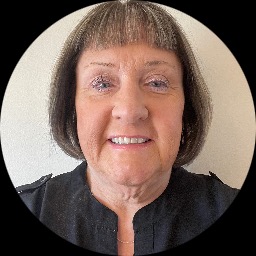
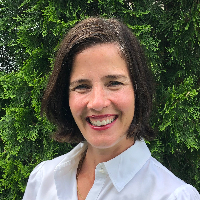
Marjorie Ann Robinson
LICSW
Practical, values-driven therapy with compassion
- Stress, Anxiety
- Depression
- LGBT
Clinical social work directory
67 therapists in this directory list Licensed Independent Clinical Social Worker (LICSW). Registration details are shown as each therapist lists them; the body's own public register is the place to check a number.
A Licensed Independent Clinical Social Worker (LICSW) is a clinical social work license that signifies advanced education and supervised practice in mental health care. Below you can browse verified LICSW therapists listed on this site to learn more about their focus areas, approaches, credentials and language options.
LICSW
Practical, values-driven therapy with compassion
LICSW
Compassionate, practical therapy for meaning and change
LICSW, LCSW, CSW
Meaning-focused therapy with practical tools
LICSW, LCSW
Insightful, direct support for life changes
LICSW
Compassionate, practical therapy focused on meaning
LICSW
Decisions that lead to better days
LICSW
Practical, accepting therapy focused on life change
LCSW, LICSW
Experienced therapist focused on meaning and coping
LICSW, LCSW
Grounded, practical care for life’s hard moments
LICSW
Existential-informed LICSW focused on meaning and relationships
LICSW
Helpful, practical therapy for life changes
LICSW
Experienced LICSW focused on meaning and coping
LICSW
Seasoned LICSW offering strengths-based care
LCSW, LICSW
Insightful care for identity and relationship struggles
LICSW
Empathetic, practical support for life’s challenges
LICSW, LCSW
Insightful guidance for life transitions
LICSW, LCSW
Compassionate existential therapy with practical focus
MD, LCSW-C, LICSW
Calm, practical support for stressful times
LICSW
A steady guide for personal meaning and change
LCSW, LICSW
Compassionate existential and client-centered guidance
LICSW
Calm, practical therapy for life’s hard moments
LCSW, LICSW
Helping people face trauma and life transitions
LICSW
Experienced therapist focusing on meaning and change
LICSW
Compassionate social worker using creative therapy
LICSW
Helping people find meaning and practical coping skills
LICSW
Compassionate LICSW focused on everyday change
LCSW, LICSW
Existential-rooted therapist focused on practical change
LICSW
Compassionate, goal-focused therapy with practical tools
LICSW
Therapist focused on meaning and practical change
LICSW
Existential-minded LICSW focusing on relationships and meaning
LICSW
Practical, relationship-focused therapy with depth
LICSW, LCSW, CSW
Practical, collaborative support for life transitions
LICSW, MD, LCSW-C
Existential-minded clinician with skills-based care
LICSW
Hopeful, practical support for life changes
LICSW
Calm support for life’s difficult changes
LICSW
Healing through meaning and practical skills
LICSW
Making meaning while managing life challenges
LICSW, LIMHP
Compassionate, practical therapy for life’s big problems
LICSW, LCSW
Therapist focused on practical life change
LICSW, LCSW
Existential-informed therapist focused on life changes
LICSW
Therapist focused on meaning and practical change
LCSW, LICSW
Practical, experience-based therapy for life changes
LICSW
Insightful, relationship-focused therapy
LICSW
Helping people find meaning and clearer ways forward
LICSW, MD, LCSW-C
Existential-informed licensed clinical social worker
Some links on this page are partner links. We will earn a commission if you sign up through one, at no cost to you. It does not change what you pay or the order of the listings.
When you see the LICSW designation it denotes a social work clinician who has completed graduate-level education and the supervised practice required by their state licensing board. Typically this path begins with a Master of Social Work or equivalent graduate degree, followed by a period of post-graduate supervised clinical hours and successful completion of a state or national exam. Licensure rules vary by state, but the LICSW label generally indicates that a clinician has met specific academic, practicum and supervised experience standards that allow them to practice independently in clinical settings.
Because licensure standards differ across jurisdictions, the exact combination of coursework, practicum and supervision can look different depending on where a clinician earned their credential. You can expect that a LICSW has engaged in clinical skill development that covers assessment, treatment planning, psychotherapy techniques and ethical practice, all overseen by licensing authorities that maintain standards for practice.
A LICSW is qualified to provide clinical assessment and deliver psychotherapy services independently, subject to the scope defined by the state where they are licensed. In everyday practice you will find that LICSW clinicians can perform mental health assessments, develop treatment plans, provide individual and family therapy and coordinate care with other professionals. The LICSW designation signals a level of preparation for clinical decision-making and case management that sits within the social work profession but overlaps with other mental health licenses in many ways.
Comparing a LICSW to other credentials such as licensed professional counselors or psychologists highlights differences in training emphasis rather than ability to help. Social work education tends to include a systems perspective, attention to social determinants of health and familiarity with community and social service resources. In contrast, other licenses may emphasize different theoretical frameworks or assessment methods. Your choice can be influenced by the clinician's experience, therapeutic approaches they list, the populations they serve and how they integrate community and resource-focused supports into care.
LICSW therapists often work across a wide array of settings and specialty areas. You may encounter LICSW clinicians who focus on family and couples therapy, child and adolescent mental health, geriatric issues, trauma, grief and loss, substance-related concerns or community mental health. Many LICSWs bring experience in coordinating services for clients with complex social or medical needs, offering support that connects therapeutic work to housing, employment and benefits systems when relevant.
Therapists who list specific therapeutic approaches among their methods might include modalities such as cognitive-behavioral techniques, psychodynamic perspectives, attachment-informed work or trauma-focused approaches. It is common to see LICSW clinicians working in multidisciplinary teams within hospitals, schools, community agencies and independent practice, which can shape the day-to-day focus of their work. If certain age groups, family configurations or life challenges are central to your search, look for LICSWs who indicate that focus in their profiles.
Verifying a clinician's LICSW credential is an important part of your search. Start with the state licensing board where the clinician practices. Most boards provide an online license lookup that shows the current status of a license, the license number, issuance and expiration dates and whether any disciplinary actions or restrictions are on record. If a national database is available in your region, that can be a complementary resource, but state boards are the primary authority for clinical social work credentials.
If you want to confirm further details you can note the license number listed on a clinician's profile and enter it into the board's verification tool. That lookup can also indicate the type of license held and whether it authorizes independent clinical practice. You may also ask a clinician for the name of the licensing board that issued their LICSW and the license number if it is not posted. When you check these sources, pay attention to expiration dates and any public disciplinary history. These records provide factual information about the credential and the regulatory status of the clinician.
Choosing a LICSW therapist can bring particular benefits depending on your needs. Because their training emphasizes both clinical skills and systems-level thinking, LICSW clinicians often bring a broad understanding of how social, economic and relational factors influence mental health. This perspective can be especially helpful when therapeutic work intersects with practical life challenges such as caregiving, employment stress, housing transitions or interactions with social services and schools.
Many clients value the LICSW background for its combination of psychotherapy skills and familiarity with community resources. If you are looking for a clinician who can integrate talk therapy with referrals, case coordination or advocacy within community systems, a LICSW may be well suited to that approach. Remember that individual clinicians vary in experience and emphasis, so profiles that describe a clinician's focus areas, populations and languages can help you find someone whose strengths align with your priorities.
When you are narrowing your search, use the information in profiles to compare focus areas, approaches, languages and years of experience. Read descriptions to see whether a clinician mentions work with the issues you want to address, and note any populations they highlight such as adolescents, older adults or couples. Pay attention to the therapeutic approaches they list, keeping in mind that listing an approach does not indicate a specific certification - it describes methods that shape their work.
Consider how important logistics like session format, cultural fit and language are to you. Profiles that describe the clinician's orientation, community experience or language options can give you a sense of fit before you make contact. It can also help to reflect on what you want from therapy in practical terms - whether you are seeking short-term problem-solving, support through life transitions, or long-term relational work - and look for LICSW clinicians who describe relevant experience. Finally, use the verification steps outlined above to confirm licensure and to feel informed about the clinician's regulatory standing as you make your decision.