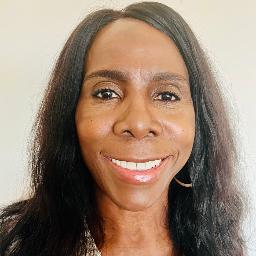
Jennifer Maguire
LPC
Compassionate counselor helping people find direction
- Stress, Anxiety
- Addictions
- Trauma and abuse
Clinical social work directory
46 therapists in this directory hold a licence issued in New Jersey and name existential therapy among their approaches. Sessions are online; a US therapist can usually only see people in a state where they hold a licence, so check the credentials panel on each profile.
Welcome to our New Jersey directory of online therapists. All therapists listed here are licensed to practice in New Jersey, and you can explore profiles to learn about their approaches, languages, and areas of focus. Use the listings below to start your search for a clinician who matches your needs.
LPC
Compassionate counselor helping people find direction
LPC
Compassionate, practical counseling for life’s hard moments
LPC
Helping people find meaning and clear steps forward
LPC, LMHC
Existential-informed, practical therapy for adults
LPC
Insight-focused counseling for complex life changes
LPC
Compassionate counselor who helps people find clarity
LPC
Experienced counselor helping people find purpose and skills
LPC
Collaborative therapist focused on meaning and strengths
LPC
Existential-informed counselor with practical tools
NJ Psychologist
Experienced psychologist guiding practical change
LMFT
Thoughtful therapist helping people find meaning and tools
LPC
Existential-minded counselor with long clinical experience
LPC
Existential-informed counselor focused on practical change
LPC
Therapist who focuses on meaning and coping
LPC
Therapist focused on meaning and relationships
LPC
Experienced counselor focused on practical change
LPC
Practical therapy focused on values and daily change
LPC
Existential-minded counselor with practical focus
LPC
Calm, practical counseling focused on meaning and change
LCSW-R, LCSW
Compassionate therapist for life transitions
LPC
Practical, person-focused counseling for life changes
LPC
Existential-informed therapist focusing on meaning
LPC
Understanding choices and life meaning
LPC
Quiet guidance for life’s big questions
LCSW
Compassionate guidance for everyday struggles
LPC
Compassionate counselor who blends practical tools and meaning
NJ Psychologist
Compassionate psychologist focused on trauma and meaning
LMHC, LPC
Reflective and practical counseling for life transitions
LMFT
Straightforward support for stress and life change
LCSW
Compassionate, practical support for life’s hard changes
Some links on this page are partner links. We will earn a commission if you sign up through one, at no cost to you. It does not change what you pay or the order of the listings.
Online therapy has become a widely used option for people across New Jersey who want to meet with a licensed clinician without traveling to an office. New Jersey state licensure determines who may practice and how remote services are delivered, and many licensed mental health professionals choose to offer sessions by video or phone to reach clients across the state. When you look at profiles in our directory you will see details about a therapist's professional credentials, stated approaches, languages spoken, and the populations they describe working with. These listings can help you learn which clinicians emphasize the issues you want to address and which approaches they list as part of their work.
Because teletherapy reduces geographic barriers, it can connect you with practitioners in different regions of New Jersey, including those who list experience with particular populations or cultural backgrounds. That said, the rules governing practice are determined by state boards, and licensed clinicians must follow New Jersey regulations. If you live in Jersey City, the Shore area, the suburbs of Newark, or a rural county, online sessions can make it easier to access a clinician whose style and stated expertise align with what you are seeking.
If you are considering remote sessions, you may find several practical advantages to online therapy. Online sessions can save travel time and remove the need to arrange transportation, which may make it easier to fit regular care into a busy schedule. For many people, the ability to meet from a familiar environment creates a sense of ease that supports honest conversation. You may also find that a wider range of approaches and languages is available online, including clinicians who list mindfulness-informed approaches, psychodynamic work, existential perspectives, cognitive-behavioral methods, or other modalities.
Online therapy also expands the pool of clinicians you can consider. That can be helpful if you are seeking a therapist who mentions work with specific life stages, cultural identities, or relational concerns. Remote formats can accommodate different session rhythms and may be adapted for short-term focused work or longer-term exploration. While online therapy can be a good fit for many concerns, it is important to think about what matters most to you in a therapeutic relationship - such as shared values, the therapist's stated approach, language compatibility, and areas of clinical interest - and use those priorities to guide your search.
Licensed clinicians in New Jersey who offer online sessions commonly work with a broad range of concerns. You may find therapists who describe experience working with anxiety and stress management, mood-related concerns, grief and loss, relationship and family issues, life transitions, and identity-related matters. Some clinicians list trauma-focused approaches among those they use, and you will see therapists who list EMDR among their approaches as well as those who mention internal family systems among the approaches they draw on. Therapists may also indicate interest in addressing work-related stress, parenting challenges, and the impacts of long-term life changes such as caregiving or relocation.
Within therapist profiles you can often read about populations a clinician says they work with - for example adults, adolescents, couples, or older adults - and whether they have experience with cultural, racial, or gender identity concerns. If a therapist lists multiple approaches, that indicates the ways they describe their clinical orientation rather than a certification. As you review profiles, notice how practitioners describe the kinds of problems they help with and whether their language feels aligned with what you want to address in therapy.
Verifying that a clinician is licensed to practice in New Jersey is an important step when you are selecting an online therapist. You can confirm licensure through the appropriate New Jersey state licensing board for the profession - for example the boards that oversee professional counselors, clinical social workers, marriage and family therapists, and psychologists. Most state boards provide an online lookup where you can enter a clinician's name or license number to view license type, current status, expiration date, and any public disciplinary history. This information helps you confirm that a clinician is authorized to practice in New Jersey at the time you check.
When you review a profile, look for the license type and jurisdiction that the therapist lists and then use the state board tools to verify those details. If a listing includes a license number it can make the lookup easier, but you can typically search by name and professional category as well. If you prefer, you can contact the state board directly by phone to ask questions about a license record. Remember that a therapist's profile summarizes how they describe their work; the licensing record is the official source for credential status and history in New Jersey.
Beginning with online therapy often starts with clarifying what you want from the work - whether you are seeking help navigating a specific life event, improving relationships, managing a recurring mood concern, or exploring deeper questions about meaning and identity. Once you know your priorities, use the directory to find clinicians who list relevant approaches or focus areas and who speak your preferred language if that is important to you. When you find profiles that resonate, reach out to learn about session format, fees, insurance options, and how they describe their approach. A brief introductory conversation can give you a sense of whether the clinician's style feels like a match for you.
Prepare for your first session by choosing a location in your home or elsewhere where you can speak without interruptions and feel comfortable. Consider whether you prefer a video visit or a phone session and mention any accessibility needs when you communicate with the clinician. Bringing a short list of what you want to address - current concerns, history that feels relevant, and goals you hope to achieve - can help the first sessions be focused and productive. You should expect the therapist to ask questions about your background and what brings you to therapy so they can tailor the work to your needs.
Choosing a therapist is an individual process and fit matters more than any single credential or label. Pay attention to the therapist's stated areas of focus, approaches they list, and the language they use to describe their work. If a clinician mentions particular populations or cultural competencies, consider whether those align with your identity and needs. You may prefer someone who lists a more directive approach if you want structured skill-building, or you may be drawn to clinicians who describe relational or exploratory styles if you are seeking open-ended exploration of life meaning.
Also take practical factors into account - the formats a therapist offers, the languages they speak, insurance and fee arrangements, and how they describe their session rhythm. When you contact a clinician, ask about their typical way of working and what you might expect in the early sessions. A thoughtful therapist will describe their approach in concrete terms and help you understand how they approach issues similar to yours. If you do not feel a connection after a few sessions, it is reasonable to continue your search; many people meet several clinicians before finding someone who feels right for their therapeutic needs.
Choosing an online therapist in New Jersey is a process of matching priorities - clinical approach, areas of experience, language and cultural fit, and practical details. Using the directory to read profiles and verify licensure through state board resources can help you make an informed choice. When you find a clinician whose description aligns with your goals, reaching out for an introductory conversation can be the next step toward beginning therapeutic work that supports the changes you want to make.